If you’re new to the stock market, it’s generally advisable to start with long-term investing or SIPs before venturing into the more volatile world of intraday trading. Consider starting with paper trading (simulated trading) to gain experience and test your strategies without risking real money. Learning about different asset classes like fixed deposits, gold, and real estate can also help create a more well-rounded portfolio.
The Role of SEBI in Regulating Intraday Trading
The Securities and Exchange Board of India (SEBI) plays a crucial role in regulating the Indian stock market and protecting investors. SEBI sets rules and regulations for brokers, trading platforms, and market participants to ensure fair and transparent trading practices. Investors should only trade with SEBI-registered brokers to ensure that their interests are protected.
Conclusion: A Calculated Approach to Intraday Trading
Intraday trading can be a rewarding endeavor, but it’s crucial to approach it with caution, discipline, and a thorough understanding of the risks involved. It’s not a get-rich-quick scheme; it requires dedication, continuous learning, and a well-defined trading strategy. By educating yourself, managing your risks effectively, and staying disciplined, you can increase your chances of success in the dynamic world of intraday trading in the Indian stock market. Remember to always consult with a qualified financial advisor before making any investment decisions.
Demystifying intraday trading: Learn about strategies, risks, and tips for navigating the Indian stock market. Is it right for you? Understand the pros and cons of intraday trading in India.
Mastering the Markets: A Beginner’s Guide to Intraday Trading in India
Introduction: Decoding the Allure of Intraday Trading
The Indian stock market, with the Bombay Stock Exchange (BSE) and National Stock Exchange (NSE) at its core, offers a multitude of opportunities for investors. Among them, intraday trading stands out as a fast-paced, high-stakes game. But what exactly is it, and is it the right fit for you? This guide aims to demystify intraday trading, providing a comprehensive overview for beginners eager to understand its nuances within the Indian financial landscape.
What is Intraday Trading?
Unlike traditional investing, where you buy and hold stocks for the long term, intraday trading involves buying and selling stocks within the same trading day. The goal is to profit from small price fluctuations that occur throughout the day. All positions are squared off before the market closes, meaning you don’t hold any stocks overnight. It’s a strategy centered around short-term price predictions and leveraging market volatility.
Key Concepts in Intraday Trading
Before diving into the specifics, it’s crucial to understand some fundamental concepts:
- Leverage: Intraday traders often use leverage provided by brokers. Leverage allows you to control a larger position with a smaller amount of capital. While it can amplify profits, it also significantly magnifies losses.
- Volatility: Price fluctuations are the lifeblood of intraday trading. Volatile stocks offer more opportunities for profit but also carry higher risk.
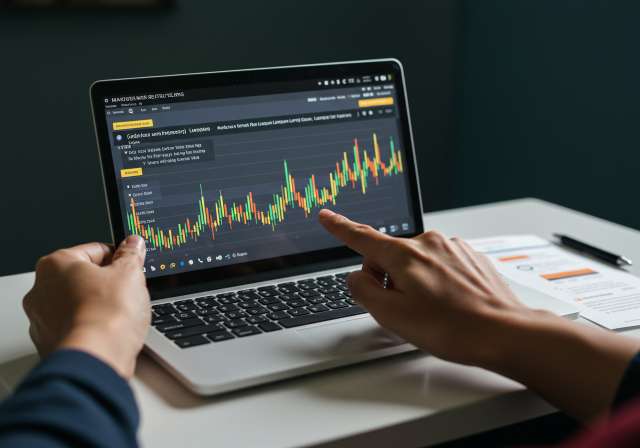
- Technical Analysis: Intraday traders heavily rely on technical analysis, studying charts, patterns, and indicators to predict price movements.
- Order Types: Understanding different order types, such as market orders, limit orders, and stop-loss orders, is crucial for executing trades efficiently and managing risk.
- Margin: Intraday trading requires maintaining a margin account with your broker. This margin acts as collateral to cover potential losses.
The Mechanics of Intraday Trading in India
Let’s break down how intraday trading works in the Indian context:
- Opening an Account: You’ll need a Demat and trading account with a SEBI-registered broker. Many brokers in India offer specialized intraday trading platforms.
- Funding Your Account: Deposit funds into your trading account to cover your initial margin requirements.
- Selecting Stocks: Choose stocks that are highly liquid and volatile. Look for stocks that are actively traded on the NSE or BSE.
- Analyzing the Market: Use technical analysis tools and market news to identify potential trading opportunities.
- Placing Orders: Execute your trades through your broker’s platform, using appropriate order types to manage risk.
- Monitoring Your Positions: Continuously monitor your open positions and be prepared to adjust your strategy based on market movements.
- Squaring Off Positions: Before the market closes, square off all your open positions, either by selling the stocks you bought or buying back the stocks you sold (in the case of short selling).
Strategies for Successful Intraday Trading
Success in intraday trading requires a well-defined strategy and disciplined execution. Here are some popular strategies:
Trend Following
This strategy involves identifying and following the prevailing trend in the market. If the market is trending upward, you’d look to buy stocks; if it’s trending downward, you’d consider short selling. Technical indicators like moving averages and trendlines can help identify trends.
Breakout Trading
Breakout trading involves identifying key support and resistance levels. When a stock price breaks through these levels, it can signal a potential trend reversal or continuation. Traders often look for increased volume accompanying the breakout to confirm the signal.
Scalping
Scalping is a high-frequency trading strategy that aims to profit from small price movements. Scalpers typically hold positions for very short periods, often just a few seconds or minutes, and aim to accumulate small profits on each trade.
Range Trading
This strategy involves identifying stocks that are trading within a defined price range. Traders buy at the lower end of the range and sell at the upper end, capitalizing on the predictable price fluctuations.
Risk Management in Intraday Trading: A Crucial Element
Risk management is paramount in intraday trading. Here’s how to mitigate potential losses:
- Stop-Loss Orders: Always use stop-loss orders to limit your potential losses on each trade. A stop-loss order automatically closes your position if the price reaches a pre-determined level.
- Position Sizing: Don’t risk more than a small percentage of your capital on any single trade. A common rule of thumb is to risk no more than 1-2% of your capital per trade.
- Avoid Over-Leveraging: While leverage can amplify profits, it can also magnify losses. Use leverage judiciously and only when you have a clear understanding of the risks involved.
- Emotional Control: Intraday trading can be emotionally taxing. Avoid making impulsive decisions based on fear or greed. Stick to your pre-defined trading plan.
- Stay Informed: Keep abreast of market news, economic events, and company announcements that could impact your trading positions.
Intraday Trading vs. Other Investment Options
It’s important to understand how intraday trading differs from other investment options available in India:
- Long-Term Investing: Unlike long-term investing in equities or mutual funds, which focus on long-term growth, intraday trading aims to generate profits from short-term price movements.
- SIPs (Systematic Investment Plans): SIPs involve investing a fixed amount in mutual funds at regular intervals. They are a disciplined approach to long-term investing and are less risky than intraday trading.
- ELSS (Equity Linked Savings Scheme): ELSS are tax-saving mutual funds that invest primarily in equities. They offer potential for higher returns but come with market risk. They have a lock-in period of 3 years.
- PPF (Public Provident Fund): PPF is a long-term, low-risk investment option backed by the government. It offers guaranteed returns and tax benefits but has a longer lock-in period.
- NPS (National Pension System): NPS is a retirement savings scheme that allows you to invest in a mix of equities, debt, and government securities. It offers tax benefits and is suitable for long-term retirement planning.
Each of these options has different risk-return profiles and caters to different investment goals. Intraday trading, with its high risk and potential for high rewards, is best suited for experienced traders with a strong understanding of the market.
The Psychology of Intraday Trading
A significant part of succeeding at intraday trading is mastering your emotions. Fear and greed are the biggest enemies of a trader. Here’s how to manage your psychological state:
- Develop a Trading Plan: A well-defined trading plan acts as a guide, preventing impulsive decisions driven by emotions.
- Accept Losses: Losses are inevitable in trading. Learn to accept them as part of the process and avoid chasing losses with bigger, riskier trades.
- Stay Disciplined: Stick to your trading plan, even when things get tough. Avoid deviating from your strategy based on hunches or emotions.
- Take Breaks: Trading can be mentally exhausting. Take regular breaks to clear your head and avoid burnout.
- Review Your Trades: Analyze your past trades, both winning and losing, to identify patterns and areas for improvement.
Essential Tools for Intraday Traders
Having the right tools at your disposal can significantly enhance your trading performance:
- Trading Platform: Choose a reliable trading platform that offers real-time market data, charting tools, and order execution capabilities.
- Charting Software: Use charting software to analyze price patterns, identify trends, and generate trading signals. Popular options include TradingView and MetaTrader.
- Market News Feed: Stay updated on market news, economic events, and company announcements that could impact your trading positions.
- Technical Indicators: Learn to use a variety of technical indicators, such as moving averages, RSI, and MACD, to identify potential trading opportunities.
- Risk Management Tools: Utilize risk management tools, such as stop-loss orders and position sizing calculators, to protect your capital.
Is Intraday Trading Right for You?
Intraday trading is not for everyone. It requires a significant time commitment, a high level of discipline, and a strong understanding of the market. Consider the following factors before venturing into intraday trading:
- Risk Tolerance: Are you comfortable with the possibility of losing money? Intraday trading is inherently risky, and losses are inevitable.
- Time Commitment: Can you dedicate several hours each day to monitoring the market and executing trades?
- Knowledge and Experience: Do you have a solid understanding of technical analysis, market dynamics, and risk management?
- Capital: Do you have sufficient capital to absorb potential losses?
- Emotional Stability: Can you control your emotions and avoid making impulsive decisions?
Leave a Reply