Tag: trade futures

  • Ace the Market: Choosing the Right Futures Trading App

    Ace the Market: Choosing the Right Futures Trading App

    Unlock potential profits with the best futures trading app! Explore the world of derivatives, indices, and commodities on the NSE and BSE. Master futures & opti

    Unlock potential profits with the best futures trading app! Explore the world of derivatives, indices, and commodities on the NSE and BSE. Master futures & options today!

    Ace the Market: Choosing the Right Futures Trading App

    Introduction: Riding the Derivatives Wave

    The Indian financial market is a dynamic landscape, offering diverse investment avenues to both seasoned traders and newcomers. Among these, futures trading stands out as a powerful tool for potentially amplifying returns. However, navigating the complexities of futures and options (F&O) requires a robust platform, and that’s where a reliable futures trading app becomes indispensable. This comprehensive guide will walk you through everything you need to know to choose the right application for your trading needs, ensuring you can confidently participate in this exciting segment of the market.

    Understanding Futures Trading in the Indian Context

    Before diving into the specifics of choosing an app, it’s crucial to understand the fundamentals of futures trading in India. Futures contracts are agreements to buy or sell an asset at a predetermined price on a specific future date. These contracts are primarily traded on exchanges like the National Stock Exchange (NSE) and the Bombay Stock Exchange (BSE). They cover a wide array of underlying assets, including:

    • Equity Indices: Such as Nifty 50 and Bank Nifty.
    • Individual Stocks: Futures contracts on various listed companies.
    • Commodities: Including gold, silver, crude oil, and agricultural products.

    Trading futures involves significant risk due to leverage. While it offers the potential for high returns, it also carries the risk of substantial losses. Therefore, a thorough understanding of risk management principles is paramount before engaging in futures trading.

    Key Features to Look for in a Futures Trading App

    The market is flooded with various trading apps, each claiming to be the best. However, not all apps are created equal. Here’s a checklist of essential features you should consider when selecting a futures trading app:

    1. User-Friendly Interface

    A clean, intuitive interface is crucial for efficient trading. The app should be easy to navigate, allowing you to quickly access market data, place orders, and monitor your positions. Cluttered interfaces can lead to errors and missed opportunities, especially during volatile market conditions.

    2. Real-Time Market Data

    Access to real-time market data is non-negotiable. Delays in data can result in poor decision-making and significant financial losses. Ensure the app provides streaming quotes for indices, stocks, and commodities, along with depth of market (DOM) information.

    3. Advanced Charting Tools

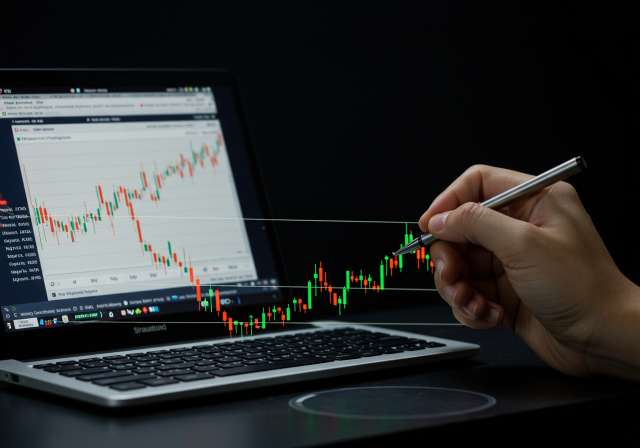
    Technical analysis plays a vital role in futures trading. The app should offer a comprehensive suite of charting tools, including various indicators (e.g., moving averages, RSI, MACD), drawing tools, and customizable timeframes. This will enable you to identify trends, support and resistance levels, and potential entry and exit points.

    4. Order Placement Options

    Flexibility in order placement is essential. The app should support various order types, including:

    • Market Orders: Executed immediately at the best available price.
    • Limit Orders: Executed only at or better than a specified price.
    • Stop-Loss Orders: Designed to limit potential losses.
    • Bracket Orders: Combine a limit order and a stop-loss order to manage risk and lock in profits.

    5. Risk Management Tools

    Effective risk management is crucial for long-term success in futures trading. The app should offer features like:

    • Margin Calculator: To determine the margin required for different positions.
    • Stop-Loss Order Placement: As mentioned above, to limit potential losses.
    • Position Tracking: To monitor your open positions and potential profits/losses.

    6. Security Features

    Security is paramount when dealing with your financial assets. The app should employ robust security measures, including:

    • Two-Factor Authentication (2FA): For enhanced login security.
    • Data Encryption: To protect your personal and financial information.
    • Regular Security Audits: To identify and address potential vulnerabilities.

    7. News and Analysis

    Staying informed about market developments is crucial for making informed trading decisions. The app should provide access to real-time news feeds, market analysis reports, and expert opinions.

    8. Customer Support

    Responsive and reliable customer support is essential, especially when you encounter technical issues or have questions about the app’s features. The app provider should offer multiple channels for support, such as phone, email, and live chat.

    9. Brokerage and Fees

    Brokerage charges and other fees can significantly impact your profitability. Compare the fee structures of different app providers and choose one that offers competitive rates without compromising on service quality. Also, be aware of hidden charges such as account maintenance fees or inactivity fees.

    10. Regulatory Compliance

    Ensure that the app provider is a registered member of the NSE and BSE and complies with all regulations set forth by the Securities and Exchange Board of India (SEBI). This will provide you with a degree of protection in case of any disputes or fraudulent activities.

    Top Futures Trading Apps in India (Illustrative Examples)

    While a comprehensive list is beyond the scope of this article, here are some well-regarded apps in the Indian market, illustrating the features discussed above. Remember to conduct your own research and compare apps based on your individual needs and preferences:

    • Zerodha Kite: Known for its user-friendly interface and low brokerage fees.
    • Upstox Pro: Offers advanced charting tools and a wide range of features.
    • Angel One: Provides research reports and advisory services in addition to trading functionality.
    • Groww: Popular for its simple interface and ease of use, especially for beginners.

    Disclaimer: This is not an exhaustive list, and the inclusion of these examples does not constitute an endorsement. Always do your own due diligence before choosing a trading app.

    Beyond the App: Essential Considerations for Futures Trading Success

    Choosing the right app is only one piece of the puzzle. To succeed in futures trading, you also need to:

    1. Develop a Solid Trading Strategy

    A well-defined trading strategy is crucial for consistent profitability. This strategy should include:

    • Clear entry and exit rules: Based on technical or fundamental analysis.
    • Risk management parameters: To limit potential losses.
    • Position sizing: To determine the appropriate amount of capital to allocate to each trade.

    2. Practice with a Demo Account

    Before risking real money, practice your trading strategy using a demo account. Most reputable app providers offer demo accounts with virtual funds, allowing you to familiarize yourself with the platform and test your strategies without any financial risk.

    3. Stay Updated on Market News

    Keep abreast of market news and economic developments that could impact the prices of your chosen assets. This includes:

    • Economic indicators: Such as GDP growth, inflation rates, and interest rate decisions.
    • Corporate earnings reports: For individual stocks.
    • Geopolitical events: That could affect commodity prices.

    4. Manage Your Emotions

    Emotions can be your worst enemy in trading. Fear and greed can lead to impulsive decisions that can wipe out your profits. Develop a disciplined approach to trading and stick to your pre-defined strategy, regardless of your emotions.

    5. Continuous Learning

    The financial markets are constantly evolving, so it’s important to continuously learn and adapt. Stay updated on new trading strategies, technical indicators, and risk management techniques. Consider attending webinars, reading books, and following reputable financial analysts.

    Futures Trading vs. Other Investment Options

    It’s crucial to understand how futures trading stacks up against other popular investment avenues available to Indian investors. Here’s a brief comparison:

    Futures Trading vs. Equity Investing

    Equity investing involves buying and holding shares of companies, aiming for long-term capital appreciation. Futures trading, on the other hand, is a short-term, leveraged strategy that focuses on profiting from price movements. Equity investing is generally considered less risky than futures trading, but it also offers potentially lower returns. Investing in equity mutual funds or through Systematic Investment Plans (SIPs) offers diversification and professional management, mitigating some of the risks associated with direct equity investing.

    Futures Trading vs. Mutual Funds

    Mutual funds pool money from multiple investors to invest in a diversified portfolio of stocks, bonds, or other assets. Mutual funds are managed by professional fund managers and offer a convenient way to invest in the market without having to actively manage your own portfolio. Equity Linked Savings Schemes (ELSS) mutual funds also offer tax benefits under Section 80C of the Income Tax Act. Futures trading requires active management and carries significantly higher risk than investing in mutual funds.

    Futures Trading vs. Public Provident Fund (PPF) and National Pension System (NPS)

    PPF and NPS are long-term savings schemes designed for retirement planning. PPF offers a fixed interest rate and tax benefits, while NPS allows you to invest in a mix of equity and debt funds. These schemes are generally considered very safe and offer stable returns over the long term. Futures trading is a speculative activity that is not suitable for retirement savings.

    Conclusion: Empowering Your Trading Journey

    Choosing the right futures trading app is a crucial step towards achieving your financial goals in the derivatives market. By carefully considering the features discussed in this guide and prioritizing security, reliability, and user-friendliness, you can equip yourself with the tools you need to navigate the complexities of futures trading with confidence. However, remember that a good app is just one element of success. Combining a powerful platform with a solid trading strategy, disciplined risk management, and continuous learning will significantly increase your chances of achieving your financial objectives in the dynamic world of futures and options trading on the NSE and BSE.
  • Dominate the Market: Choosing the Best Futures Trading App in India

    Dominate the Market: Choosing the Best Futures Trading App in India

    Unleash your trading potential with the best futures trading app! Explore top platforms, strategies, risk management, and essential features for successful futu

    Unleash your trading potential with the best futures trading app! Explore top platforms, strategies, risk management, and essential features for successful futures trading in India. Learn how to navigate the Indian market (NSE, BSE) with confidence.

    Dominate the Market: Choosing the Best Futures Trading App in India

    Introduction: Stepping into the World of Futures Trading

    The Indian financial market is a vibrant ecosystem, offering a multitude of opportunities for investors. While equity markets and mutual funds are popular choices, futures trading presents a more sophisticated avenue for those seeking leveraged exposure and the potential for higher returns. But navigating the futures market requires the right tools, and that’s where a robust futures trading app becomes essential.

    Futures contracts, traded on exchanges like the NSE and BSE, allow you to speculate on the future price of an underlying asset – be it commodities like gold and crude oil, indices like the Nifty 50 and Sensex, or even individual stocks. Understanding these contracts and managing the inherent risks is crucial. This article aims to guide you through the process of selecting the best futures trading app in India, equipping you with the knowledge to make informed decisions and potentially profit from this dynamic market.

    Why You Need a Dedicated Futures Trading App

    While many brokerage firms offer access to futures trading through their general trading platforms, a dedicated futures trading app provides several distinct advantages:

    • Specialized Tools and Features: Futures trading requires specific tools like options chains, real-time margin calculations, and advanced charting functionalities. A dedicated app is more likely to offer these features than a generic trading platform.
    • Real-Time Data and Analytics: Speed is paramount in futures trading. A dedicated app prioritizes real-time data feeds, ensuring you have the most up-to-date information to make quick decisions.
    • Margin Management: Futures trading involves leveraged positions, which means margin requirements are critical. A good app will provide clear visibility into your margin balances and potential margin calls.
    • Order Types: Futures traders often utilize complex order types like stop-loss orders, bracket orders, and limit orders to manage risk and automate trading strategies. A dedicated app will offer a wide range of order types specifically designed for futures contracts.
    • User-Friendly Interface: The futures market can be complex. A user-friendly interface is crucial for quickly analyzing data, placing trades, and managing your positions efficiently.

    Key Features to Look for in a Futures Trading App

    Choosing the right futures trading app can significantly impact your trading success. Here’s a checklist of essential features to consider:

    1. Real-Time Data and Market Depth

    Access to real-time market data is non-negotiable. Look for an app that provides streaming quotes, charts, and order book information without delays. Market depth, also known as Level II data, shows the buy and sell orders at different price levels, giving you a more comprehensive view of market sentiment.

    2. Advanced Charting Tools

    Technical analysis is a vital tool for futures traders. The app should offer a variety of charting tools, including:

    • Multiple Chart Types: Candlestick charts, line charts, bar charts, etc.
    • Technical Indicators: Moving averages, RSI, MACD, Fibonacci retracements, etc.
    • Drawing Tools: Trendlines, support and resistance levels, annotations, etc.
    • Customizable Timeframes: From intraday charts to daily, weekly, and monthly views.

    3. Order Placement and Execution

    The app should allow you to place a variety of order types, including:

    • Market Orders: To buy or sell at the current market price.
    • Limit Orders: To buy or sell at a specific price.
    • Stop-Loss Orders: To automatically exit a position if the price moves against you.
    • Bracket Orders: To place a target profit and stop-loss order simultaneously.
    • Trailing Stop-Loss Orders: To adjust the stop-loss level as the price moves in your favor.

    Fast and reliable order execution is crucial. Delays can lead to missed opportunities and increased slippage.

    4. Margin Management and Risk Assessment

    A good app should clearly display your margin balances, available margin, and potential margin calls. It should also offer tools to assess your risk exposure, such as position size calculators and risk-reward ratio analysis.

    5. News and Research

    Staying informed about market news and economic events is essential for futures trading. Look for an app that integrates news feeds, market analysis reports, and research from reputable sources.

    6. User Interface and Accessibility

    The app should be easy to navigate and use, especially on a mobile device. A clean and intuitive interface can save you time and reduce the risk of errors.

    7. Security and Reliability

    Security is paramount. Ensure the app uses robust encryption and security protocols to protect your personal and financial information. The app should also be reliable and stable, with minimal downtime.

    8. Customer Support

    Responsive and helpful customer support is essential. Look for an app that offers multiple channels of support, such as phone, email, and chat.

    9. Commission and Fees

    Compare the commission and fees charged by different apps. Consider factors such as brokerage fees, exchange transaction charges, and any hidden fees.

    Choosing the Right Brokerage and App: A Step-by-Step Guide

    Selecting the right futures trading app involves carefully evaluating several factors. Here’s a step-by-step guide to help you make the best choice:

    1. Define Your Trading Needs: What assets do you want to trade? What is your trading style (e.g., day trading, swing trading)? What level of risk are you comfortable with?
    2. Research Different Brokerage Firms: Read reviews, compare features, and check the brokerage’s reputation and regulatory compliance (SEBI registration is a must).
    3. Evaluate the App’s Features: Does the app offer the tools and features you need for your trading style? Pay close attention to real-time data, charting tools, order types, and margin management capabilities.
    4. Test the App: Many brokerage firms offer demo accounts or trial periods. Take advantage of these opportunities to test the app’s functionality and usability before committing any real money.
    5. Consider the Commission and Fees: Compare the costs of different apps and choose one that fits your budget and trading frequency.
    6. Check the Security and Reliability: Ensure the app uses strong security measures and has a history of reliability.
    7. Read User Reviews: See what other traders are saying about the app. Pay attention to both positive and negative reviews.
    8. Contact Customer Support: Test the responsiveness and helpfulness of the customer support team.
    9. Start Small: Once you’ve chosen an app, start with a small amount of capital and gradually increase your position sizes as you gain experience and confidence.

    Risk Management in Futures Trading

    Futures trading involves significant risk, and it’s crucial to implement robust risk management strategies. Here are some essential tips:

    • Understand Leverage: Futures contracts offer leveraged exposure, which means you can control a large position with a relatively small amount of capital. While leverage can amplify your profits, it can also magnify your losses.
    • Use Stop-Loss Orders: Stop-loss orders are essential for limiting your potential losses. Place stop-loss orders at levels that are consistent with your risk tolerance.
    • Manage Your Position Sizes: Don’t overtrade. Limit your position sizes to a percentage of your total trading capital. A common rule of thumb is to risk no more than 1-2% of your capital on any single trade.
    • Diversify Your Portfolio: Don’t put all your eggs in one basket. Diversify your portfolio across different asset classes and markets to reduce your overall risk.
    • Stay Informed: Keep up-to-date on market news and economic events. Be aware of factors that could impact the price of the assets you are trading.
    • Control Your Emotions: Don’t let emotions like fear and greed cloud your judgment. Stick to your trading plan and avoid making impulsive decisions.
    • Continuous Learning: The futures market is constantly evolving. Stay up-to-date on the latest trading strategies and risk management techniques.

    Beyond the App: Essential Knowledge for Futures Trading in India

    While a good futures trading app is a valuable tool, it’s just one piece of the puzzle. Success in futures trading requires a solid understanding of the Indian financial market, including:

    • Understanding SEBI Regulations: The Securities and Exchange Board of India (SEBI) regulates the Indian financial market. Stay informed about SEBI regulations and guidelines related to futures trading.
    • Knowledge of the NSE and BSE: The National Stock Exchange (NSE) and the Bombay Stock Exchange (BSE) are the primary exchanges for futures trading in India. Understand the rules and regulations of these exchanges.
    • Familiarity with Different Futures Contracts: Learn about the different types of futures contracts available, including index futures, stock futures, and commodity futures. Understand the specifications of each contract, such as contract size, tick size, and delivery dates.
    • Understanding Margin Requirements: Margin requirements vary depending on the asset being traded and the brokerage firm. Understand the initial margin, maintenance margin, and variation margin requirements for the contracts you are trading.

    Conclusion: Empowering Your Futures Trading Journey

    Selecting the right futures trading app is a crucial step towards achieving success in the Indian futures market. By carefully evaluating the features, security, and reliability of different apps, and by implementing robust risk management strategies, you can significantly increase your chances of profitable trading. Remember that continuous learning and a disciplined approach are essential for long-term success. While SIPs, ELSS, PPF, and NPS are excellent for long-term financial goals, futures trading requires a different skillset and mindset. So, equip yourself with the right knowledge, tools, and strategies, and embark on your futures trading journey with confidence.

  • Unlock Futures Trading: A Guide to Finding the Best App in India

    Unlock Futures Trading: A Guide to Finding the Best App in India

    Unleash your trading potential with the best futures trading app in India. Learn about futures, how they work, and how to choose the right app for your needs. S

    Unleash your trading potential with the best futures trading app in India. Learn about futures, how they work, and how to choose the right app for your needs. Start trading futures today!

    Unlock Futures Trading: A Guide to Finding the Best App in India

    Introduction: Navigating the World of Futures Trading

    The Indian financial market offers a plethora of investment opportunities, ranging from the traditional equity markets to the more sophisticated world of derivatives. Among these derivatives, futures contracts stand out as a powerful tool for hedging, speculation, and leveraging market movements. However, successfully navigating the futures market requires access to reliable information, real-time data, and a user-friendly trading platform. This is where a dedicated futures trading app comes into play, offering Indian investors a convenient and efficient way to participate in this dynamic segment.

    Before we delve into the specifics of selecting the ideal app, let’s first establish a solid understanding of futures trading itself.

    Understanding Futures Contracts: A Primer for Indian Investors

    A futures contract is essentially an agreement to buy or sell an asset at a predetermined price and date in the future. These assets can range from agricultural commodities like wheat and cotton to precious metals like gold and silver, energy resources like crude oil and natural gas, and even financial instruments like stock indices and currencies. Key features of futures contracts include:

    • Standardization: Futures contracts are standardized in terms of quantity, quality, and delivery location, facilitating efficient trading on exchanges like the Multi Commodity Exchange (MCX) and the National Stock Exchange (NSE).
    • Leverage: Futures trading involves margin requirements, allowing traders to control a larger position with a relatively smaller initial investment. This leverage can amplify both profits and losses, making risk management crucial.
    • Mark-to-Market: Futures positions are marked-to-market daily, meaning that profits or losses are credited or debited from the trader’s account at the end of each trading day.
    • Expiration Date: Each futures contract has an expiration date. Traders must either close their positions before this date or take delivery of the underlying asset (which is more common for commodity futures).

    In India, futures contracts are available on a wide range of assets, providing ample opportunities for investors to diversify their portfolios and manage risk. For example, an Indian farmer might use futures contracts to lock in a price for their upcoming harvest, mitigating the risk of price fluctuations in the market.

    Why Use a Futures Trading App? Convenience and Control at Your Fingertips

    Gone are the days of relying solely on desktop-based trading platforms. Today, a robust futures trading app offers unparalleled convenience and control, allowing Indian investors to:

    • Trade on the Go: Monitor market movements and execute trades from anywhere with an internet connection.
    • Access Real-Time Data: Stay updated with live quotes, charts, and market news, enabling informed decision-making.
    • Manage Risk Effectively: Set stop-loss orders and take-profit levels to protect your capital.
    • Track Your Portfolio: Monitor your positions, track your performance, and analyze your trading history.
    • Receive Alerts and Notifications: Stay informed about price movements, order executions, and margin calls.

    Key Features to Look for in a Futures Trading App

    With numerous apps vying for your attention, choosing the right futures trading app can feel overwhelming. Here’s a checklist of essential features to consider:

    1. User-Friendly Interface

    The app should be intuitive and easy to navigate, even for beginners. Clear charts, easily accessible order placement screens, and a well-organized portfolio view are crucial.

    2. Real-Time Data and Analytics

    Access to accurate and up-to-date market data is non-negotiable. Look for apps that provide real-time price quotes, candlestick charts, technical indicators, and news feeds.

    3. Order Types and Execution Speed

    The app should support a variety of order types, including market orders, limit orders, stop-loss orders, and bracket orders. Fast and reliable order execution is essential to minimize slippage and maximize profits.

    4. Security and Reliability

    Your trading app should be secure and reliable, protecting your personal and financial information. Look for apps that employ strong encryption and multi-factor authentication.

    5. Brokerage Fees and Margin Requirements

    Compare brokerage fees and margin requirements across different apps. Lower fees can significantly impact your profitability, especially for frequent traders. Remember, leverage is a double-edged sword, so understand the margin requirements thoroughly before placing any trades.

    6. Customer Support

    Reliable customer support is essential in case you encounter any issues. Look for apps that offer multiple channels of support, such as phone, email, and live chat.

    7. Educational Resources

    A good app should provide educational resources to help you learn more about futures trading. These resources may include tutorials, articles, webinars, and demo accounts.

    Popular Futures Trading Apps in India: A Comparative Overview

    While specific recommendations are subject to individual preferences and due diligence, several popular platforms cater to Indian futures traders. These are generally offered by established brokerage firms regulated by SEBI. When choosing, remember to thoroughly research each platform and compare them based on your individual needs and risk tolerance. Here are some considerations:

    • Zerodha Kite: Known for its user-friendly interface and low brokerage fees.
    • Upstox Pro: Offers a range of trading tools and features, including advanced charting and analysis.
    • Angel One: Provides a comprehensive trading platform with access to various asset classes.
    • Groww: A popular platform known for its simplicity and ease of use.
    • 5paisa: Offers a discounted brokerage model and a range of trading tools.

    Important Note: Always verify the credentials and SEBI registration of any brokerage firm before opening an account. Exercise caution and avoid platforms that promise guaranteed returns or offer unrealistic profits.

    Risk Management in Futures Trading: Protecting Your Capital

    Futures trading involves significant risk. Leverage can amplify both profits and losses, making it essential to implement a robust risk management strategy. Here are some key risk management techniques:

    • Stop-Loss Orders: Set stop-loss orders to limit your potential losses on a trade.
    • Position Sizing: Determine the appropriate position size based on your risk tolerance and account balance. Avoid over-leveraging your account.
    • Diversification: Diversify your portfolio across different asset classes and futures contracts.
    • Hedging: Use futures contracts to hedge against price fluctuations in your existing portfolio.
    • Emotional Control: Avoid making impulsive decisions based on fear or greed. Stick to your trading plan and manage your emotions effectively.

    Remember that even with the best risk management strategies, losses are inevitable in trading. The key is to manage your risk effectively and consistently over time.

    Beyond Futures: Exploring Other Investment Options in India

    While futures trading can be a rewarding experience, it’s crucial to maintain a well-diversified investment portfolio. Consider exploring other investment options available in India, such as:

    • Equity Markets: Invest in stocks of publicly listed companies on the NSE and BSE.
    • Mutual Funds: Invest in diversified portfolios managed by professional fund managers. Consider both equity mutual funds and debt mutual funds.
    • Systematic Investment Plans (SIPs): Invest a fixed amount regularly in mutual funds to benefit from rupee cost averaging.
    • Equity Linked Savings Schemes (ELSS): Tax-saving mutual funds that invest primarily in equities.
    • Public Provident Fund (PPF): A government-backed savings scheme that offers tax benefits and guaranteed returns.
    • National Pension System (NPS): A retirement savings scheme that allows you to invest in a mix of equities, debt, and government securities.
    • Fixed Deposits (FDs): A low-risk investment option that offers a fixed interest rate for a specified period.
    • Sovereign Gold Bonds (SGBs): Government-issued bonds that are linked to the price of gold.

    A diversified portfolio can help mitigate risk and enhance your overall returns over the long term. Consult with a qualified financial advisor to determine the investment options that are best suited to your individual needs and goals.

    Conclusion: Empowering Your Futures Trading Journey

    The world of futures trading offers exciting opportunities for Indian investors seeking to capitalize on market movements. By understanding the fundamentals of futures contracts, choosing the right futures trading app, and implementing a robust risk management strategy, you can embark on a rewarding and potentially profitable trading journey. Remember to stay informed, continuously learn, and adapt your trading strategies to the evolving market conditions. Trading with a reputable and SEBI-registered broker via their mobile trading app can provide a robust and streamlined experience. And most importantly, always prioritize responsible trading practices and invest only what you can afford to lose.