Unlock daily trading potential! Learn how a demat account for daily trading empowers you. Discover benefits, charges, selection tips, and risk management strate
Unlock daily trading potential! Learn how a demat account for daily trading empowers you. Discover benefits, charges, selection tips, and risk management strategies in Indian markets.
Demat Account for Daily Trading: Your Gateway to the Indian Markets
Introduction: Navigating the World of Daily Trading in India
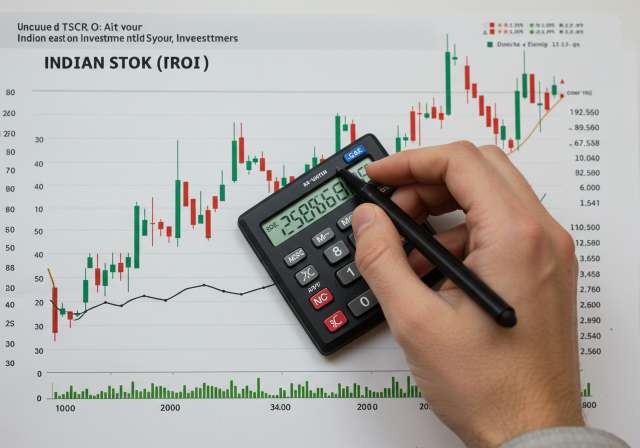
The Indian stock market, encompassing the Bombay Stock Exchange (BSE) and National Stock Exchange (NSE), offers immense opportunities for investors seeking to profit from short-term price fluctuations. Daily trading, also known as intraday trading, involves buying and selling stocks within the same trading day, aiming to capitalize on small price movements. This dynamic approach requires a specific set of tools and knowledge, with the demat account playing a crucial role. But what exactly is a demat account, and why is it essential for anyone looking to engage in daily trading in India?
Before the advent of dematerialization, trading in physical share certificates was cumbersome and time-consuming. Demat accounts revolutionized the Indian stock market by allowing investors to hold shares in electronic form, making trading faster, more efficient, and secure. This technological advancement paved the way for the surge in popularity of daily trading, making it accessible to a wider range of investors across the country.
Understanding the Demat Account: Your Digital Vault for Securities
A Demat account, short for Dematerialized account, is an electronic repository where your shares and other securities, such as bonds, mutual funds, and Exchange Traded Funds (ETFs), are held in electronic form. It eliminates the need for physical share certificates, reducing the risk of loss, theft, or damage. The Securities and Exchange Board of India (SEBI) mandates that all investors trading in the Indian stock market have a demat account.
Here’s a breakdown of the key components of a demat account:
- Depository: Institutions like the National Securities Depository Limited (NSDL) and Central Depository Services Limited (CDSL) hold the electronic records of securities.
- Depository Participant (DP): These are intermediaries, typically banks, brokers, or financial institutions, that provide demat account services to investors. They act as a link between the depository and the investor.
- Beneficial Owner (BO): This is you, the investor, who owns the securities held in the demat account.
Why is a Demat Account Essential for Daily Trading?
A demat account is not just an option; it’s a necessity for daily trading in the Indian stock market. Here’s why:
- Faster Transactions: Daily trading requires quick execution of trades to capitalize on intraday price movements. Demat accounts enable seamless and instant transfer of shares, crucial for capturing fleeting opportunities.
- Reduced Risk: Eliminating physical certificates minimizes the risk of loss, theft, or forgery, providing a secure environment for your investments.
- Ease of Trading: Trading platforms are directly linked to your demat account, allowing you to buy and sell shares with just a few clicks. This seamless integration streamlines the entire trading process.
- Cost-Effective: Compared to physical share certificates, demat accounts significantly reduce transaction costs, such as stamp duty and handling charges.
- Accessibility: Demat accounts allow investors from anywhere in India to participate in the stock market. No geographical limitations.
Choosing the Right Demat Account for Daily Trading
Selecting the right demat account is a crucial step for successful daily trading. Consider these factors before making a decision:
Brokerage Charges
Brokerage charges can significantly impact your profitability, especially in daily trading where you execute numerous trades. Compare brokerage plans offered by different DPs and choose one that aligns with your trading frequency and volume. Some brokers offer flat-fee plans, while others charge a percentage of the transaction value.
Account Maintenance Charges (AMC)
Most DPs charge an annual maintenance fee for maintaining your demat account. Compare AMC charges and look for accounts with low or waived fees, particularly if you’re a frequent trader.
Trading Platform
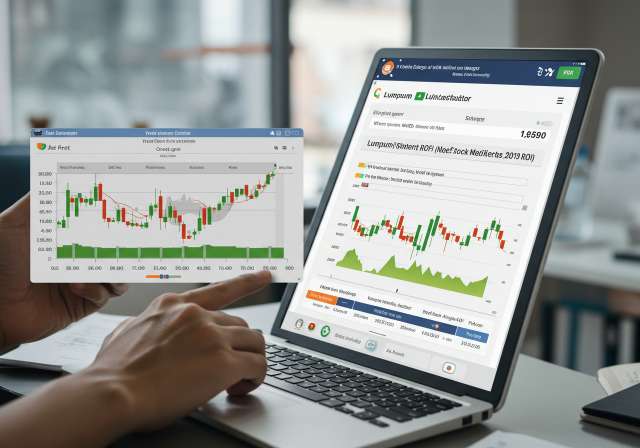
The quality of the trading platform is paramount for daily trading. Look for a platform that is user-friendly, reliable, and offers real-time market data, advanced charting tools, and order execution capabilities. Many brokers offer mobile trading apps, allowing you to trade on the go.
Margin Trading Facility
Margin trading allows you to trade with borrowed funds, increasing your potential profits (and losses). If you plan to use margin trading, choose a DP that offers competitive margin rates and flexible margin requirements. Be aware of the risks involved in margin trading.
Customer Support
Reliable customer support is essential for resolving any issues or queries you may encounter. Choose a DP that offers responsive and helpful customer service through multiple channels, such as phone, email, and chat.
Opening a Demat Account: A Step-by-Step Guide
Opening a demat account is a straightforward process. You can choose to open an account online or offline.
Online Account Opening
- Select a DP: Research and choose a DP that meets your requirements.
- Fill out the Application Form: Visit the DP’s website and fill out the online application form.
- e-KYC Verification: Complete the electronic Know Your Customer (e-KYC) process using Aadhaar and PAN details.
- Upload Documents: Upload scanned copies of required documents, such as PAN card, Aadhaar card, proof of address, and bank statement.
- Verification: The DP will verify your details and documents.
- Account Activation: Once verified, your demat account will be activated, and you will receive your account details.
Offline Account Opening
- Select a DP: Choose a DP and visit their branch.
- Fill out the Application Form: Obtain and fill out the physical application form.
- Submit Documents: Submit copies of required documents, such as PAN card, Aadhaar card, proof of address, and bank statement.
- In-Person Verification: The DP will conduct an in-person verification of your documents.
- Account Activation: After verification, your demat account will be activated, and you will receive your account details.
Demat Account Charges: Understanding the Cost Structure
It’s important to be aware of the various charges associated with a demat account. These charges can impact your overall profitability.
- Account Opening Charges: Some DPs may charge a fee for opening a demat account.
- Annual Maintenance Charges (AMC): This is an annual fee charged for maintaining your demat account.
- Transaction Charges: These charges are levied on each buy or sell transaction.
- Demat/Remat Charges: Charges for converting physical shares into electronic form (dematerialization) or vice versa (rematerialization).
- Pledge Charges: Charges for pledging shares as collateral for loans.
Linking Your Demat Account to Your Trading Account
To start daily trading, you need to link your demat account to your trading account. This allows you to seamlessly buy and sell shares through the trading platform. The linking process is usually straightforward and can be done online or by submitting a form to your DP.
Risk Management in Daily Trading
Daily trading is inherently risky, and it’s crucial to implement robust risk management strategies to protect your capital.
- Set Stop-Loss Orders: A stop-loss order automatically sells your shares if they reach a predefined price, limiting your potential losses.
- Use Leverage Wisely: While margin trading can amplify your profits, it can also magnify your losses. Use leverage judiciously and understand the risks involved.
- Diversify Your Trades: Don’t put all your eggs in one basket. Diversify your trades across different stocks and sectors to mitigate risk.
- Stay Informed: Keep abreast of market news, economic indicators, and company announcements that can impact stock prices.
- Control Your Emotions: Emotional trading can lead to impulsive decisions and losses. Stick to your trading plan and avoid making decisions based on fear or greed.
Tax Implications of Daily Trading in India
Daily trading profits are generally treated as speculative income and are taxed at the applicable income tax slab rate. It’s essential to maintain accurate records of your trades and consult with a tax advisor to understand the tax implications of your trading activities. Losses from speculative businesses can only be set off against profits from other speculative businesses.
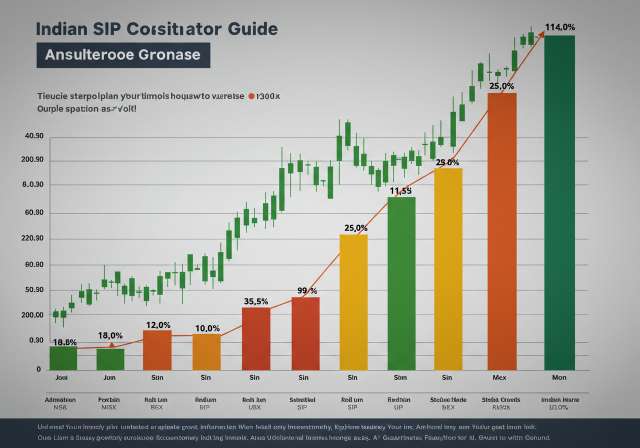
Investing in Equity Linked Savings Schemes (ELSS) offers tax benefits under Section 80C of the Income Tax Act, but these are typically not used for daily trading due to the 3-year lock-in period. Similarly, Public Provident Fund (PPF) and National Pension System (NPS) are long-term investment options that don’t align with the short-term nature of daily trading. Systemic Investment Plans (SIPs) in mutual funds are also not suitable for daily trading as they involve regular investments over a longer period.
Conclusion: Empowering Your Trading Journey with a Demat Account
A demat account is the cornerstone of daily trading in the Indian stock market. By understanding its features, selecting the right account, and implementing effective risk management strategies, you can navigate the dynamic world of daily trading with confidence. Remember to stay informed, be disciplined, and continuously adapt your strategies to the ever-changing market conditions. While the potential rewards are significant, so are the risks. Approach daily trading with a well-defined plan and a commitment to continuous learning. With the right tools and knowledge, you can unlock the potential of the Indian equity markets and achieve your financial goals.