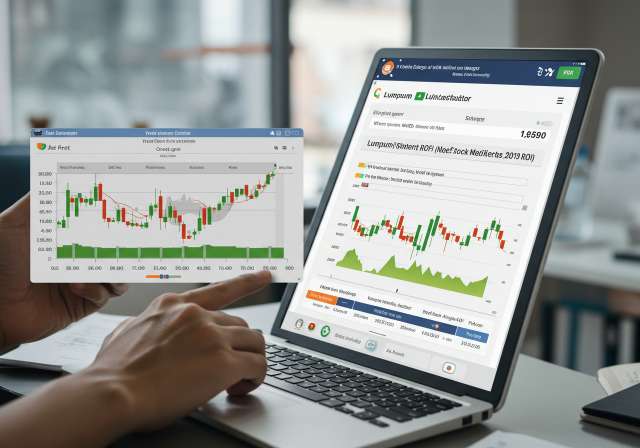
Open an online account to buy shares in India seamlessly! Dive into our comprehensive guide on choosing the right Demat and trading account, understanding broke
Open an online account to buy shares in india seamlessly! Dive into our comprehensive guide on choosing the right Demat and trading account, understanding brokerage charges, and mastering online share trading. Start your investment journey today!
Your Guide to Opening an Online Account to Buy Shares in India
Introduction: Entering the World of Indian Equity Markets
The Indian equity market presents a compelling avenue for wealth creation, allowing you to participate in the growth stories of some of the nation’s most dynamic companies. With the rise of online trading platforms, investing in the stock market has become more accessible and convenient than ever before. This guide will walk you through the process of opening an online account to buy shares in India, providing you with the knowledge and confidence to navigate the world of stock trading.
Understanding the Basics: Demat and Trading Accounts
Before you can begin buying and selling shares online, you need two essential accounts:
- Demat Account (Dematerialization Account): This account holds your shares in electronic form. Just as a bank account holds your money, a Demat account securely stores your investments. Regulations by SEBI (Securities and Exchange Board of India) mandate that shares are held in dematerialized form for online trading.
- Trading Account: This account allows you to place buy and sell orders in the stock market. It acts as an intermediary between you and the stock exchanges, such as the NSE (National Stock Exchange) and BSE (Bombay Stock Exchange).
While some brokers offer separate Demat and trading accounts, many provide a combined account for seamless trading. This simplifies the process of buying and selling shares.
Choosing the Right Broker: A Crucial Decision
Selecting the right broker is paramount for a successful investment journey. Consider these factors when making your choice:
Types of Brokers
- Full-Service Brokers: These brokers offer a wide range of services, including investment advice, research reports, and personalized support. They typically charge higher brokerage fees. Examples include traditional brokerage houses like Motilal Oswal and HDFC Securities.
- Discount Brokers: These brokers offer a no-frills trading experience, focusing on executing trades quickly and efficiently. They charge lower brokerage fees, making them a popular choice for experienced traders. Prominent discount brokers in India include Zerodha, Upstox, and Angel One.
Brokerage Charges
Understanding the brokerage structure is crucial. Brokers typically charge a commission for each trade, which can be a percentage of the transaction value or a flat fee. Discount brokers often offer a flat fee per trade, regardless of the transaction size. Consider the following:
- Percentage-Based Brokerage: A percentage of the total trade value (e.g., 0.1% on buy and 0.1% on sell).
- Flat-Fee Brokerage: A fixed amount per trade (e.g., ₹20 per trade).
- Account Maintenance Charges (AMC): Some brokers charge an annual fee for maintaining your Demat and trading accounts.
Trading Platform
The quality and ease of use of the trading platform is essential. Look for a platform that is:
- User-Friendly: Easy to navigate and understand.
- Reliable: Stable and free from glitches.
- Feature-Rich: Offers real-time market data, charting tools, and order management options.
- Mobile-Friendly: Allows you to trade on the go via a mobile app.
Research and Analysis
If you are new to the stock market, consider brokers that provide research reports and investment recommendations. However, remember to conduct your own due diligence before making any investment decisions.
Customer Support
Reliable customer support is vital, especially when you encounter technical issues or have questions about your account. Check if the broker offers multiple channels of support, such as phone, email, and live chat.
Steps to Open an Online Account to Buy Shares in India
Opening an online account to buy shares in India is a relatively straightforward process. Here’s a step-by-step guide:
- Choose a Broker: Based on your needs and preferences, select a suitable broker.
- Visit the Broker’s Website: Go to the broker’s website and click on the “Open Account” or “Sign Up” button.
- Fill Out the Online Application Form: Provide your personal details, including your name, address, date of birth, PAN card number, and Aadhaar card number.
- Complete KYC (Know Your Customer) Verification: You will need to verify your identity and address by uploading scanned copies of your PAN card, Aadhaar card, bank statement, and passport-sized photograph. Many brokers offer online KYC verification using Aadhaar e-KYC.
- Link Your Bank Account: You will need to link your bank account to your trading account to transfer funds for trading.
- Complete In-Person Verification (IPV): SEBI regulations require brokers to conduct an In-Person Verification (IPV) to verify your identity. Many brokers now offer online IPV through video conferencing.
- Sign the Account Opening Form: Once your application is approved, you will need to sign the account opening form electronically or physically.
- Receive Your Account Credentials: After your application is processed, you will receive your Demat and trading account details, including your username and password.
Documents Required for Opening an Online Account
Keep the following documents handy when applying for an online account:
- PAN Card: Mandatory for trading in the Indian stock market.
- Aadhaar Card: Used for identity and address verification.
- Bank Statement: Required for linking your bank account.
- Passport-Sized Photograph: A recent photograph for identification purposes.
- Cancelled Cheque: Required for bank account verification.
Funding Your Trading Account
Once your account is opened, you need to transfer funds to your trading account to start trading. You can do this through various methods:
- Online Bank Transfer (NEFT/RTGS/IMPS): Transfer funds directly from your bank account to your trading account using online banking.
- UPI (Unified Payments Interface): Use UPI apps like Google Pay or PhonePe to transfer funds quickly and easily.
- Cheque: Deposit a cheque into your broker’s designated bank account.
Understanding Trading Platforms and Order Types
Familiarize yourself with the trading platform provided by your broker. Learn how to place different types of orders:
- Market Order: An order to buy or sell a stock at the current market price.
- Limit Order: An order to buy or sell a stock at a specific price.
- Stop-Loss Order: An order to limit your losses by automatically selling a stock when it reaches a certain price.
Beyond Equity: Exploring Other Investment Options
While direct equity investment is a powerful tool, diversification is key to a balanced portfolio. Consider these other investment options available in India:
- Mutual Funds: Invest in a diversified portfolio of stocks, bonds, or other assets managed by professional fund managers. SIPs (Systematic Investment Plans) allow you to invest a fixed amount regularly. ELSS (Equity Linked Savings Scheme) mutual funds offer tax benefits under Section 80C of the Income Tax Act.
- Fixed Income Instruments: Explore options like PPF (Public Provident Fund), NPS (National Pension System), and corporate bonds for stable returns.
- Initial Public Offerings (IPOs): Invest in newly listed companies on the stock exchange.
Risks and Precautions
Investing in the stock market involves risks. It’s crucial to be aware of these risks and take precautions:
- Market Volatility: Stock prices can fluctuate significantly, leading to potential losses.
- Company-Specific Risks: The performance of a company can affect its stock price.
- Economic Factors: Macroeconomic factors like inflation, interest rates, and economic growth can impact the stock market.
- Do Your Research: Before investing in any stock, thoroughly research the company, its financials, and its industry.
- Invest What You Can Afford to Lose: Only invest money that you can afford to lose without impacting your financial stability.
- Diversify Your Portfolio: Don’t put all your eggs in one basket. Diversify your investments across different stocks, sectors, and asset classes.
- Set Realistic Expectations: Don’t expect to get rich quick. Stock market investments are typically for the long term.
- Stay Informed: Keep up-to-date with market news and developments.
Conclusion: Empowering Your Financial Future
Opening an online account to buy shares in India is a significant step towards taking control of your financial future. By understanding the basics of Demat and trading accounts, choosing the right broker, and following the steps outlined in this guide, you can embark on your investment journey with confidence. Remember to invest wisely, diversify your portfolio, and stay informed about market developments. Happy investing!
Leave a Reply