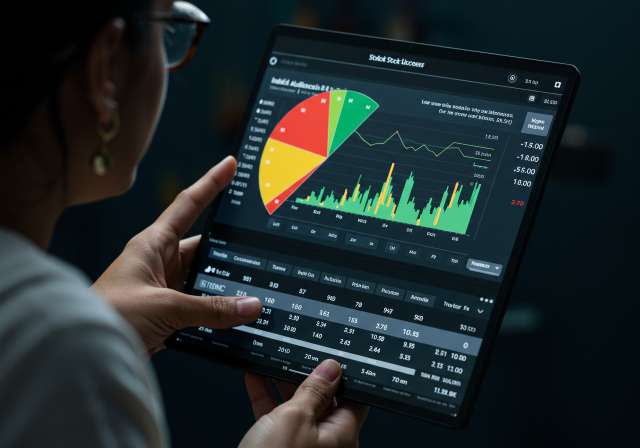
Unlock the potential of the Indian stock market! Dive into BSE trading, understand its intricacies, learn about market timings, IPOs, indices, and how to start
Unlock the potential of the Indian stock market! Dive into BSE trading, understand its intricacies, learn about market timings, IPOs, indices, and how to start investing today. Navigate the world of stocks & build wealth.
Demystifying BSE Trading: A Comprehensive Guide for Indian Investors
Introduction: The Bombay Stock Exchange – A Pillar of Indian Finance
The Bombay Stock Exchange (BSE), formerly known as the Bombay Stock Exchange Limited, stands as the oldest stock exchange in Asia and a cornerstone of the Indian financial landscape. Established in 1875, it has played a pivotal role in shaping the investment habits of generations of Indians. For anyone looking to participate in the growth of the Indian economy through equity investments, understanding the nuances of the BSE is crucial.
From seasoned investors meticulously analyzing financial statements to first-time participants tentatively taking their initial steps, the BSE offers a platform for wealth creation and economic empowerment. This comprehensive guide aims to demystify BSE trading, equipping you with the knowledge and tools needed to navigate this dynamic market with confidence.
Understanding the BSE Ecosystem
Before diving into the specifics of trading, it’s essential to grasp the BSE’s structure and its role in the Indian financial system. Here’s a breakdown of key components:
Key Components of the BSE:
- Listed Companies: The BSE is home to thousands of companies, representing diverse sectors of the Indian economy. These companies offer their shares to the public, allowing investors to own a part of their business and participate in their growth.
- Trading Members (Brokers): Access to the BSE for trading is facilitated through registered brokers. These brokers act as intermediaries, executing buy and sell orders on behalf of their clients. They provide trading platforms, research reports, and other support services.
- SEBI Regulations: The Securities and Exchange Board of India (SEBI) is the regulatory body that oversees the BSE and other stock exchanges in India. SEBI’s role is to protect investors, ensure fair and transparent trading practices, and maintain the integrity of the market.
- Indices: The BSE maintains several key indices, such as the Sensex (BSE Sensitive Index), which is a benchmark index representing the performance of the 30 largest and most actively traded companies on the exchange. Other indices include the BSE 100, BSE 200, and sectoral indices that track the performance of specific industries.
Essential Concepts for BSE Trading
To effectively engage in BSE trading, you need to familiarize yourself with some fundamental concepts:
Key Trading Concepts:
- Shares and Stocks: These represent ownership in a company. When you buy shares of a company listed on the BSE, you become a shareholder and are entitled to a portion of the company’s profits (dividends) and voting rights.
- Initial Public Offerings (IPOs): When a private company decides to go public and list its shares on the BSE (or the NSE), it does so through an IPO. This is an opportunity for investors to buy shares of the company for the first time.
- Market Capitalization: This is the total value of a company’s outstanding shares. It’s calculated by multiplying the current share price by the total number of shares outstanding. Market capitalization is an important indicator of a company’s size and stability.
- Trading Volume: This refers to the number of shares traded during a specific period (e.g., daily trading volume). Higher trading volume generally indicates greater liquidity and investor interest in a stock.
- Bid and Ask Prices: The bid price is the highest price a buyer is willing to pay for a share, while the ask price is the lowest price a seller is willing to accept. The difference between the bid and ask prices is known as the spread.
Opening a Demat and Trading Account
To start trading on the BSE, you’ll need to open two essential accounts:
- Demat Account: This account holds your shares in electronic form, eliminating the need for physical share certificates. You can open a Demat account with a Depository Participant (DP), which is typically a broker or a bank.
- Trading Account: This account is used to place buy and sell orders for shares. It’s linked to your Demat account and your bank account. You can open a trading account with a registered broker who is a member of the BSE.
The process of opening these accounts is typically straightforward and can often be done online. You’ll need to provide KYC (Know Your Customer) documents, such as your PAN card, Aadhaar card, and bank account details.
Navigating the BSE Trading Platform
Once you have your Demat and trading accounts set up, you can access the BSE trading platform through your broker’s website or mobile app. These platforms provide real-time market data, charting tools, and order placement functionality. Understanding how to use these platforms is crucial for successful trading.
Key Features of a Trading Platform:
- Market Watch: Allows you to track the prices and performance of your favorite stocks.
- Order Entry: Enables you to place buy and sell orders at specific prices or market prices.
- Portfolio Tracking: Provides an overview of your investments and their current value.
- Charting Tools: Allows you to analyze price trends and identify potential trading opportunities.
- News and Research: Provides access to market news, company announcements, and research reports.
Investment Strategies for BSE Trading
There are various investment strategies you can employ when trading on the BSE, depending on your risk tolerance, investment goals, and time horizon. Some common strategies include:
Popular Investment Approaches:
- Long-Term Investing: This involves buying stocks with the intention of holding them for several years or even decades. It’s based on the belief that the long-term growth of the Indian economy will drive up the value of these stocks.
- Short-Term Trading: This involves buying and selling stocks within a shorter timeframe, such as days, weeks, or months. It aims to profit from short-term price fluctuations.
- Value Investing: This involves identifying undervalued stocks that are trading below their intrinsic value. The goal is to buy these stocks and hold them until the market recognizes their true worth.
- Growth Investing: This involves investing in companies that are expected to grow at a faster rate than the overall economy. These companies typically have strong earnings growth and innovative products or services.
- Dividend Investing: This involves investing in companies that pay regular dividends to their shareholders. This can provide a steady stream of income.
Understanding Market Timings and Holidays
The BSE operates during specific trading hours. Understanding these timings and being aware of market holidays is essential for planning your trades. The regular market hours for the BSE are typically from 9:15 AM to 3:30 PM, Monday to Friday. The exchange remains closed on weekends and certain public holidays, as declared by the BSE.
Managing Risk in BSE Trading
All investments carry some level of risk, and BSE trading is no exception. It’s crucial to understand and manage these risks effectively. Here are some key risk management strategies:
Risk Management Strategies:
- Diversification: Don’t put all your eggs in one basket. Diversify your investments across different sectors and companies to reduce the impact of any single investment performing poorly.
- Stop-Loss Orders: Set stop-loss orders to automatically sell your shares if they fall below a certain price. This can help limit your losses.
- Position Sizing: Don’t invest more than you can afford to lose in any single trade.
- Research and Due Diligence: Thoroughly research the companies you’re investing in and understand their business model, financial performance, and industry trends.
- Stay Informed: Keep up-to-date with market news, company announcements, and economic developments that could impact your investments.
Alternative Investment Options Through the BSE
While direct equity investment is a common route, the BSE also facilitates investments in other instruments:
- Mutual Funds: Investing in mutual funds through the BSE’s StAR MF platform allows you to diversify your portfolio and benefit from professional fund management. Consider Systematic Investment Plans (SIPs) for disciplined investing.
- Exchange Traded Funds (ETFs): ETFs are passively managed funds that track a specific index or commodity. They offer diversification and liquidity.
- Sovereign Gold Bonds (SGBs): These are government securities denominated in gold. They offer a safe and convenient way to invest in gold without having to hold physical gold.
- Infrastructure Investment Trusts (InvITs) and Real Estate Investment Trusts (REITs): These allow you to invest in infrastructure projects and real estate, respectively, offering potential income and capital appreciation.
Tax Implications of BSE Trading
It’s important to be aware of the tax implications of BSE trading. Profits from the sale of shares are subject to capital gains tax. The tax rate depends on the holding period of the shares.
Taxation Considerations:
- Short-Term Capital Gains (STCG): If you sell shares within one year of purchase, the profits are taxed as STCG at a rate of 15% (plus cess and surcharge).
- Long-Term Capital Gains (LTCG): If you sell shares after one year of purchase, the profits are taxed as LTCG at a rate of 10% (plus cess and surcharge) on gains exceeding ₹1 lakh in a financial year.
- Securities Transaction Tax (STT): STT is a small tax levied on the purchase and sale of shares on the stock exchange.
It’s always advisable to consult with a tax professional to understand the tax implications of your specific investment decisions.
Conclusion: Empowering Your Financial Journey with BSE Trading
BSE trading offers a gateway to participate in the growth of the Indian economy and build wealth over the long term. By understanding the basics of the BSE, opening a Demat and trading account, employing sound investment strategies, and managing risk effectively, you can navigate the market with confidence and achieve your financial goals. Remember to stay informed, continuously learn, and seek professional advice when needed. Happy investing!
Leave a Reply