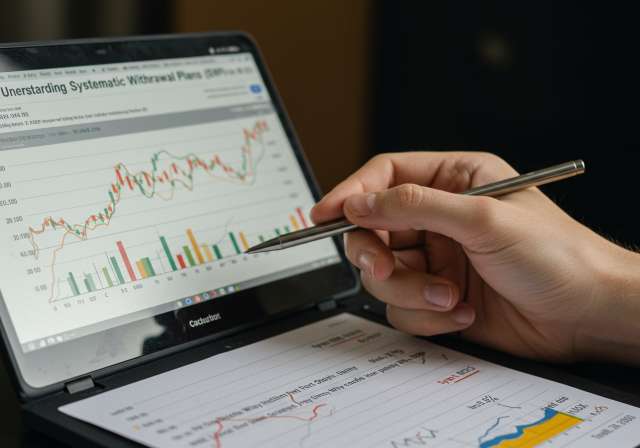
Unlock the Indian stock market! Learn how to open a share trading demat account india, navigate KYC, understand charges, and choose the best broker for your inv
Unlock the Indian stock market! Learn how to open a share trading demat account india, navigate KYC, understand charges, and choose the best broker for your investment journey. Start trading today!
Demat Account & Share Trading: Your Gateway to the Indian Stock Market
Introduction: Embracing the Power of Equity Investing in India
India’s economic growth story is intrinsically linked to the performance of its equity markets. From seasoned investors to first-timers, the allure of participating in this growth by investing in the stock market is undeniable. However, the journey begins with a crucial first step: opening a Demat and Trading account. These accounts are the cornerstone of online share trading in India, allowing you to buy, sell, and hold shares electronically.
Understanding the Demat Account: Your Digital Locker for Securities
A Dematerialized Account, or Demat account, is essentially a digital locker for your financial securities. In the past, share certificates were physical documents, prone to loss, theft, or damage. Today, thanks to the Depository Act of 1996, all shares are held in electronic form within a Demat account. This eliminates the hassles associated with physical certificates and makes trading much more efficient and secure.
Key Functions of a Demat Account:
- Holding Securities: The primary function is to hold shares, bonds, government securities, mutual fund units (including Equity Linked Savings Schemes – ELSS for tax benefits), and other investment instruments in electronic form.
- Facilitating Trading: It acts as a conduit for buying and selling securities through your trading account. When you buy shares, they are credited to your Demat account, and when you sell, they are debited.
- Corporate Actions: Dividends, bonus shares, and stock splits are automatically credited to your Demat account.
- Pledging Shares: You can pledge your shares held in the Demat account as collateral for loans.
- Multiple Accounts: You can hold multiple Demat accounts with different Depository Participants (DPs).
The Trading Account: Your Interface to the Stock Exchange
While the Demat account holds your securities, the trading account provides the platform to execute buy and sell orders on the stock exchanges, primarily the National Stock Exchange (NSE) and the Bombay Stock Exchange (BSE). Think of it as your online interface to the market.
Key Functions of a Trading Account:
- Order Placement: You can place buy and sell orders for various securities through the trading platform.
- Market Information: It provides real-time market data, including stock prices, trading volumes, and company news.
- Order Tracking: You can track the status of your orders and view your trading history.
- Technical Analysis Tools: Many trading platforms offer technical analysis tools and charts to help you make informed trading decisions.
- Funds Management: You can transfer funds from your bank account to your trading account and vice versa.
Opening a Share Trading Demat Account India: A Step-by-Step Guide
Opening a Demat and trading account is a straightforward process. You can do it online or offline, depending on the broker you choose. Here’s a general outline:
Step 1: Choosing a Depository Participant (DP)
A DP is an agent of the depositories (NSDL and CDSL) who provides Demat account services. You can choose from a wide range of DPs, including banks, brokerage firms, and financial institutions. Consider factors like brokerage charges, account maintenance fees, trading platform features, customer service, and research capabilities when making your selection.
Step 2: Filling out the Application Form
You will need to fill out an application form, either online or in person. The form will require your personal details, contact information, bank account details, and KYC (Know Your Customer) documents.
Step 3: KYC Verification
KYC is a mandatory process to verify your identity and address. You will need to submit the following documents:
- Proof of Identity (POI): PAN card, Aadhaar card, passport, driving license, or voter ID.
- Proof of Address (POA): Aadhaar card, passport, driving license, voter ID, bank statement, utility bill (electricity, gas, telephone).
- PAN Card: A PAN card is mandatory for opening a Demat and trading account.
You can complete the KYC process online using Aadhaar-based e-KYC or in-person verification (IPV) at the broker’s office.
Step 4: Agreement and Account Activation
Once your KYC is verified, you will need to sign an agreement with the DP, outlining the terms and conditions of the Demat and trading account. After signing the agreement, your account will be activated, and you will receive your account details and login credentials.
Step 5: Linking Bank Account
Link your bank account to your trading account to facilitate fund transfers for buying and selling shares.
Types of Demat Accounts in India
Depending on your residency status and trading needs, you can choose from different types of Demat accounts:
- Regular Demat Account: This is the standard type of Demat account for resident Indian citizens.
- Repatriable Demat Account: This account is for Non-Resident Indians (NRIs) who want to transfer funds and securities back to their country of residence.
- Non-Repatriable Demat Account: This account is for NRIs who cannot transfer funds and securities back to their country of residence.
- Basic Services Demat Account (BSDA): This is a low-cost Demat account designed for small investors with limited holdings.
Demat Account Charges: Understanding the Costs Involved
Opening and maintaining a Demat and trading account involves certain charges. It’s crucial to understand these charges to make informed decisions and choose a broker that suits your budget.
- Account Opening Charges: Some brokers may charge a one-time fee for opening a Demat and trading account. However, many brokers offer free account opening.
- Annual Maintenance Charges (AMC): This is an annual fee charged by the DP for maintaining your Demat account. The AMC can vary depending on the DP and the value of your holdings. BSDA accounts often have lower or no AMC.
- Transaction Charges: These are charges levied on each buy and sell transaction. Transaction charges can be a percentage of the transaction value or a fixed fee per transaction.
- Brokerage Charges: Brokerage is the commission charged by the broker for facilitating the trade. It can be a percentage of the transaction value or a flat fee per trade. Discount brokers typically offer lower brokerage charges than full-service brokers.
- Dematerialization and Rematerialization Charges: These charges are applicable if you want to convert physical share certificates into electronic form (dematerialization) or vice versa (rematerialization).
- Pledge Creation Charges: Fees for pledging shares as collateral.
Choosing the Right Broker: Factors to Consider
Selecting the right broker is crucial for a seamless and rewarding trading experience. Here are some factors to consider:
- Brokerage Charges: Compare the brokerage charges of different brokers and choose one that aligns with your trading frequency and volume.
- Trading Platform: Evaluate the features and user-friendliness of the trading platform. Look for a platform that offers real-time market data, charting tools, and easy order placement.
- Customer Service: Choose a broker with reliable and responsive customer service.
- Research and Advisory Services: If you need assistance with investment decisions, consider a broker that offers research reports and advisory services. However, be aware that these services usually come at a higher cost.
- Account Opening Process: Assess the ease and convenience of the account opening process.
- Security: Ensure that the broker has robust security measures in place to protect your account and data.
- DP Charges: Understand all Demat related charges levied by the DP.
- Types of Investments Offered: Besides equity, check the availability of other investment options like mutual funds, IPOs, and bonds. Many brokers allow investing in Systematic Investment Plans (SIPs) for mutual funds, offering a disciplined approach to investment.
Dematerialization: Converting Physical Shares to Electronic Form
If you still hold physical share certificates, you can dematerialize them by submitting a Dematerialization Request Form (DRF) to your DP along with the physical certificates. The DP will then send the certificates to the company’s registrar for verification. Once verified, the shares will be credited to your Demat account.
Conclusion: Embark on Your Investment Journey with Confidence
Opening a Demat and trading account is the first step towards participating in the Indian stock market and building wealth. By understanding the process, choosing the right broker, and managing your investments wisely, you can unlock the potential of equity investing and achieve your financial goals. Remember to always invest responsibly and consult with a financial advisor before making any investment decisions. The Securities and Exchange Board of India (SEBI) regulates the stock market and provides investor protection guidelines. Regularly check SEBI’s website for updates and investor education materials. Good luck with your investment journey!
Leave a Reply