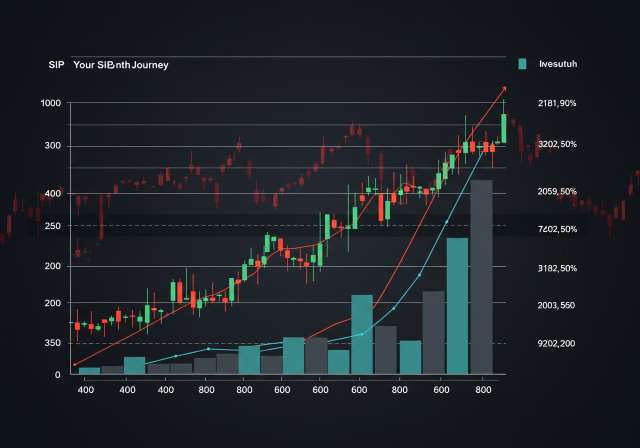
Seeking higher returns in Chennai? Discover low commission mutual funds in Chennai & maximize your investment potential. Expert insights for smart investing
Maximize Returns: Finding Low Commission Mutual Funds in Chennai
Seeking higher returns in Chennai? Discover low commission mutual funds in Chennai & maximize your investment potential. Expert insights for smart investing today!
Chennai, a vibrant hub of culture, commerce, and increasingly, savvy investors. As more Chennaites look to diversify their wealth beyond traditional avenues like gold and real estate, mutual funds are gaining immense popularity. But with a plethora of options available on the NSE and BSE, navigating the intricate world of fund houses, expense ratios, and commissions can be daunting. One of the biggest challenges for investors is minimizing costs to maximize returns. This is where the search for low commission mutual funds becomes paramount.
In this article, we’ll delve into the importance of understanding commission structures, explore the different types of mutual funds available in Chennai, and provide a comprehensive guide on how to identify and invest in funds with minimal fees. Whether you’re a seasoned investor or just starting your journey in the Indian equity markets, this guide will equip you with the knowledge to make informed decisions and potentially boost your returns.
Before diving into the specific funds available, it’s essential to understand the commission structure associated with mutual fund investments. Commissions, often embedded within the expense ratio, represent the costs incurred by the Asset Management Company (AMC) for managing the fund. These costs are directly deducted from the fund’s returns, impacting the net profit an investor receives.
The Expense Ratio is the annual percentage of a fund’s assets that are used to cover operating expenses. It includes management fees, administrative costs, marketing expenses, and yes, commissions paid to distributors. A seemingly small difference in expense ratio can have a significant impact on your investment returns over the long term, especially with investments like SIPs.
The Indian regulatory body, SEBI (Securities and Exchange Board of India), mandates that mutual funds offer two types of plans: Direct and Regular. This distinction is crucial for investors looking to minimize commissions:
For instance, consider two identical funds, Fund A (Direct) and Fund B (Regular). Fund A has an expense ratio of 0.5%, while Fund B has an expense ratio of 1.5%. Over a 10-year period, even with the same investment amount and market performance, Fund A will likely generate significantly higher returns due to the lower expense ratio.
Chennai’s investment landscape offers a wide array of mutual funds to cater to different risk profiles and investment goals. Here’s a brief overview:
When choosing a mutual fund, it’s crucial to align your investment goals with your risk tolerance and time horizon. Consider consulting a financial advisor to determine the most appropriate fund category for your specific needs.
low commission mutual funds Chennai
Now, let’s get down to the practical aspects of finding low commission mutual funds in Chennai:
For investors looking to save on taxes while investing in equity markets, ELSS funds offer a compelling option. These funds invest primarily in equity and qualify for tax deductions under Section 80C of the Income Tax Act. You can claim a deduction of up to ₹1.5 lakh per year on investments in ELSS funds. However, keep in mind that ELSS funds have a lock-in period of 3 years.
When selecting an ELSS fund, consider the fund’s past performance, expense ratio, and investment strategy. Opt for direct plans to minimize commission costs. Also, assess the fund manager’s experience and track record. Remember that past performance is not indicative of future results.
SIP is a popular method of investing in mutual funds, where you invest a fixed amount at regular intervals (e.g., monthly) over a long period. This approach helps to average out the cost of your investment and mitigate the impact of market volatility. SIPs are particularly beneficial for long-term goals like retirement planning or children’s education.
The beauty of SIP lies in the power of compounding. As your investments generate returns, those returns are reinvested, leading to exponential growth over time. Even small, regular investments can accumulate into a substantial corpus over the long term.
While mutual funds are a popular investment option, Chennai offers a range of other avenues to grow your wealth:
In conclusion, navigating the world of mutual funds and identifying low commission mutual funds requires diligence and a clear understanding of commission structures, expense ratios, and the different types of funds available. By prioritizing direct plans, utilizing online platforms, and conducting thorough research, Chennai investors can minimize costs and potentially enhance their investment returns. Remember to align your investment choices with your risk tolerance, financial goals, and time horizon. With a disciplined approach and a focus on long-term investing, you can pave the way for a secure and prosperous financial future.
Introduction: The Chennai Investor’s Dilemma
Understanding Mutual Fund Commissions: A Crucial First Step
Decoding the Expense Ratio
Direct vs. Regular Plans: The Key Differentiator
- Direct Plans: These plans are offered directly by the AMC, bypassing any intermediaries or distributors. As a result, they have lower expense ratios because there are no commission payments to be made. This translates to higher returns for the investor. You can typically invest in direct plans through the AMC’s website or online investment platforms.
- Regular Plans: These plans are offered through distributors, agents, or brokers. The expense ratio is higher to compensate these intermediaries for their services and commissions. While they offer convenience and personalized guidance, the added cost can eat into your returns over time.
Types of Mutual Funds Available in Chennai: A Quick Overview
- Equity Funds: These funds primarily invest in stocks of companies listed on the NSE and BSE. They are considered higher risk but offer the potential for higher returns. Within equity funds, you’ll find various sub-categories like Large Cap, Mid Cap, Small Cap, and Multi Cap funds.
- Debt Funds: These funds invest in fixed-income securities like government bonds, corporate bonds, and treasury bills. They are considered lower risk compared to equity funds and provide relatively stable returns.
- Hybrid Funds: These funds invest in a combination of equity and debt instruments. They aim to strike a balance between risk and return, making them suitable for investors with a moderate risk appetite.
- ELSS (Equity Linked Savings Scheme) Funds: These are equity funds that offer tax benefits under Section 80C of the Income Tax Act. They have a lock-in period of 3 years, making them a popular choice for tax planning.
- Index Funds: These funds aim to replicate the performance of a specific market index, such as the Nifty 50 or the Sensex. They are passively managed and generally have lower expense ratios.
- Money Market Funds: These funds invest in short-term debt instruments and offer high liquidity. They are suitable for parking surplus funds for a short period.
Finding Low Commission Mutual Funds in Chennai: A Step-by-Step Guide
- Focus on Direct Plans: As mentioned earlier, direct plans are your best bet for minimizing commissions. Always prioritize direct plans over regular plans.
- Utilize Online Platforms: Several online investment platforms in India, such as Groww, Zerodha Coin, ET Money, and Paytm Money, allow you to invest in direct plans of various mutual funds. These platforms often provide tools to compare funds, track performance, and manage your portfolio.
- Research and Compare Expense Ratios: Before investing, thoroughly research and compare the expense ratios of different funds within the same category. Use websites like Value Research, Morningstar India, and CRISIL to access fund data and performance metrics.
- Read the Scheme Information Document (SID): The SID contains detailed information about the fund, including its investment objective, asset allocation, risk factors, and expense ratio. Carefully review the SID before making any investment decisions.
- Consider Index Funds and ETFs: Index funds and Exchange Traded Funds (ETFs) are passively managed funds that typically have very low expense ratios. If you’re looking for a cost-effective way to track a specific market index, these options are worth considering.
- Beware of Hidden Costs: While the expense ratio is the primary indicator of costs, be aware of other potential charges, such as exit loads (fees charged for redeeming your investment before a specified period) and transaction fees.
Investing in ELSS Funds: A Tax-Saving Strategy
Choosing the Right ELSS Fund
SIP (Systematic Investment Plan): A Disciplined Approach to Investing
The Power of Compounding with SIPs
Beyond Mutual Funds: Other Investment Options in Chennai
- Public Provident Fund (PPF): A government-backed savings scheme that offers tax benefits and a guaranteed return. PPF has a lock-in period of 15 years.
- National Pension System (NPS): A retirement savings scheme that allows you to invest in a combination of equity, debt, and government securities. NPS offers tax benefits and is regulated by the Pension Fund Regulatory and Development Authority (PFRDA).
- Direct Equity: Investing directly in stocks listed on the NSE and BSE can offer higher returns but also carries higher risk. It requires thorough research and understanding of the equity markets.
- Real Estate: Investing in property can be a lucrative option, but it requires significant capital and involves factors like property taxes, maintenance costs, and potential rental income.
- Gold: Gold has traditionally been a popular investment in India. You can invest in gold through physical gold, gold ETFs, or sovereign gold bonds.