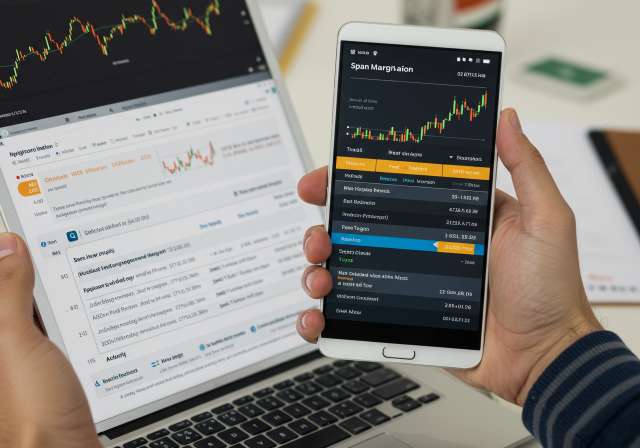
Tag: investment tools

  • Best Stock Trading Apps in India: A Comprehensive Guide (2024)

    Best Stock Trading Apps in India: A Comprehensive Guide (2024)

    Looking for the best way to invest in the Indian stock market? Our comprehensive guide explores the top stock trading app options, comparing brokerage fees, fea

    Looking for the best way to invest in the Indian stock market? Our comprehensive guide explores the top stock trading app options, comparing brokerage fees, features, and user experience to help you make informed decisions and start trading on the NSE & BSE!

    Best Stock Trading Apps in India: A Comprehensive Guide (2024)

    Introduction: Navigating the Indian Equity Market with Ease

    The Indian equity market is booming! More and more individuals are looking to participate in the potential growth offered by companies listed on the National Stock Exchange (NSE) and the Bombay Stock Exchange (BSE). But navigating the complexities of the market can seem daunting. Luckily, technology has provided a powerful tool to simplify investing: the stock trading app.

    Gone are the days of lengthy phone calls to brokers and cumbersome paperwork. Today, with a smartphone and an internet connection, you can buy and sell stocks, track your investments, and even explore various investment options like mutual funds and IPOs – all from the palm of your hand.

    Why Use a Stock Trading App?

    Before diving into specific apps, let’s explore the key benefits of using a stock trading app:

    • Convenience: Trade anytime, anywhere. Access the market 24/7 (within trading hours, of course!).
    • Speed: Execute trades instantly. React quickly to market fluctuations.
    • Real-time Data: Access live market data, price charts, and company information.
    • Low Costs: Many apps offer discounted brokerage or even zero brokerage on certain trades.
    • Accessibility: Lower minimum investment amounts make the market accessible to a wider range of investors.
    • Information and Analysis: Access research reports, news updates, and analytical tools to make informed decisions.
    • Portfolio Tracking: Monitor your investments and track your performance in real-time.

    Key Features to Consider When Choosing a Stock Trading App

    With numerous options available, choosing the right stock trading app can feel overwhelming. Here are the essential features to consider:

    Brokerage Fees and Charges

    This is arguably the most critical factor. Understand the brokerage structure: is it a fixed fee per trade, a percentage of the transaction value, or a zero-brokerage model? Also, be aware of other charges like DP (Depository Participant) fees, transaction charges, and GST. Some apps offer different pricing plans based on your trading frequency and volume.

    User Interface and Experience (UI/UX)

    A user-friendly interface is crucial, especially for beginners. The app should be easy to navigate, with clear and concise information. Look for features like customizable watchlists, intuitive order placement, and easy access to portfolio information.

    Security and Reliability

    Security is paramount. Ensure the app uses robust encryption and security measures to protect your data and funds. Look for features like 2FA (Two-Factor Authentication) and biometric login. Also, check the app’s reliability. Does it frequently experience downtime or glitches? Read reviews to gauge user experience.

    Investment Options

    Different apps offer different investment options. Consider your investment goals and choose an app that provides access to the instruments you’re interested in. Common options include:

    • Equity Stocks: Investing directly in individual company stocks listed on the NSE and BSE.
    • Derivatives (Futures & Options): More complex instruments for experienced traders.
    • Mutual Funds: Investing in a diversified portfolio managed by professional fund managers. Options include equity mutual funds, debt mutual funds, and hybrid funds.
    • IPOs (Initial Public Offerings): Applying for shares in companies that are newly listing on the stock exchange.
    • Commodities: Trading in commodities like gold, silver, and crude oil.
    • Currency Derivatives: Trading in currency pairs.

    Research and Analysis Tools

    Access to research reports, analyst recommendations, and charting tools can significantly improve your investment decision-making. Look for apps that provide comprehensive fundamental and technical analysis tools.

    Customer Support

    Reliable customer support is essential, especially when you’re starting out. Check the app’s customer support channels (phone, email, chat) and read reviews to assess the quality of their support.

    Account Opening Process

    The account opening process should be seamless and straightforward. Check if the app offers a completely online KYC (Know Your Customer) process.

    Top Stock Trading Apps in India (A Comparative Overview)

    While specific recommendations depend on individual needs and preferences, here are some popular stock trading apps in India, along with their key features:

    • Zerodha Kite: Known for its low brokerage fees and user-friendly interface. Offers access to equity, derivatives, commodities, and mutual funds. A popular choice for both beginners and experienced traders.
    • Upstox: Another popular app with a zero-brokerage model (on equity delivery) and a streamlined interface. Offers access to equity, derivatives, mutual funds, and IPOs.
    • Groww: Focuses on simplicity and ease of use, making it ideal for beginners. Offers access to equity, mutual funds, and IPOs.
    • Angel One: A full-service broker with a strong research team and a wide range of investment options, including equity, derivatives, commodities, currency, mutual funds, and IPOs.
    • 5paisa: Offers a flat-fee brokerage model and access to various investment options.
    • ICICI Direct: A popular platform backed by a leading private bank. Offers a wide range of investment options and research reports, but brokerage fees tend to be higher.
    • HDFC Securities: Similar to ICICI Direct, offering a comprehensive range of services and research, but with higher brokerage fees.

    Important Note: This is not an exhaustive list, and the features and offerings of these apps may change over time. It’s crucial to research and compare different apps based on your specific needs and preferences.

    Beyond Stocks: Exploring Other Investment Options Through Trading Apps

    While equities are a popular choice, most stock trading apps also provide access to other investment options, allowing you to diversify your portfolio.

    Mutual Funds

    Mutual funds are a popular way to invest in a diversified portfolio managed by professional fund managers. You can invest in mutual funds through SIPs (Systematic Investment Plans) or lump-sum investments. Apps typically offer a wide range of mutual funds, including equity funds, debt funds, and hybrid funds.

    IPOs (Initial Public Offerings)

    Participating in IPOs allows you to invest in companies that are newly listing on the stock exchange. Apps often provide a platform to apply for IPOs.

    ELSS (Equity Linked Savings Scheme)

    ELSS funds are equity mutual funds that offer tax benefits under Section 80C of the Income Tax Act. Investing in ELSS can help you save on taxes while potentially growing your wealth.

    Sovereign Gold Bonds (SGBs)

    SGBs are government securities denominated in grams of gold. They offer a safe and convenient way to invest in gold without having to physically hold it. Some apps allow you to invest in SGBs.

    Tips for Choosing the Right Stock Trading App

    Here are some additional tips to help you choose the right app:

    • Define your investment goals: What are you hoping to achieve with your investments? Are you saving for retirement, a down payment on a house, or something else? Your goals will influence the types of investments you should consider and the features you need in a trading app.
    • Assess your risk tolerance: How much risk are you comfortable taking? If you’re risk-averse, you might prefer to invest in safer options like debt funds or PPF (Public Provident Fund).
    • Compare brokerage fees and charges: Pay close attention to the fine print and understand all the associated costs.
    • Read reviews: See what other users are saying about the app’s performance, security, and customer support.
    • Try out the demo account (if available): Some apps offer demo accounts that allow you to test the platform before committing any real money.
    • Start small: Begin with a small investment amount to get comfortable with the app and the market before investing larger sums.

    Understanding the Risks of Stock Trading

    It’s important to remember that stock trading involves risk. Market fluctuations, economic factors, and company-specific news can all impact the value of your investments. Never invest more than you can afford to lose, and always do your research before making any investment decisions.

    Consider diversifying your portfolio across different asset classes to reduce risk. Also, consider long-term investments like PPF and NPS (National Pension System) for retirement planning.

    Conclusion: Empowering Your Investment Journey

    The rise of the stock trading app has democratized the Indian equity market, making it more accessible and convenient than ever before. By carefully considering your needs, researching different options, and understanding the risks involved, you can choose the right app to empower your investment journey and achieve your financial goals. Remember to stay informed, invest responsibly, and seek professional advice when needed. Happy investing!

  • Best Stock Market Apps for Indian Investors in 2024

    Best Stock Market Apps for Indian Investors in 2024

    Navigate the Indian equity markets with ease! Discover the best stock market app for trading on NSE & BSE, track your investments, and manage your portfolio eff

    Navigate the Indian equity markets with ease! Discover the best stock market app for trading on NSE & BSE, track your investments, and manage your portfolio effectively. Learn about features, security, and choosing the right app for you. Invest smarter today!

    Best Stock Market Apps for Indian Investors in 2024

    Introduction: Empowering Investors in the Digital Age

    The Indian stock market has witnessed exponential growth in retail investor participation in recent years. Fueled by increasing financial literacy and the ease of access provided by technology, more and more individuals are looking to build wealth through equity investments. The cornerstone of this accessibility is the proliferation of user-friendly, powerful stock trading apps.

    Gone are the days of relying solely on brokers and complicated trading terminals. Today, with a smartphone and a stable internet connection, you can buy and sell stocks, track your portfolio performance, and stay updated on market trends, all from the palm of your hand. This article delves into the world of stock market apps in India, highlighting key features, security considerations, and factors to consider when choosing the right platform for your needs. We will also touch upon essential aspects like brokerage charges, user interface, and educational resources.

    Key Features to Look for in a Stock Trading App

    Selecting the right stock trading app is crucial for a seamless and profitable investment journey. Here are some essential features to consider:

    • User-Friendly Interface: A clean and intuitive interface is paramount. The app should be easy to navigate, allowing you to quickly find the information you need and execute trades efficiently. Look for features like customizable watchlists, clear charts, and easy-to-understand order placement screens.
    • Real-Time Data and Analytics: Access to real-time market data, including live stock prices, charts, and market depth, is essential for informed decision-making. The app should also provide access to technical analysis tools, such as charting patterns and indicators, to help you identify potential trading opportunities.
    • Comprehensive Order Types: The app should support a variety of order types, including market orders, limit orders, stop-loss orders, and bracket orders. This allows you to manage your risk effectively and execute trades according to your specific strategies.
    • Portfolio Tracking: The ability to track your portfolio performance in real-time is crucial for monitoring your investments and making adjustments as needed. The app should provide detailed information on your holdings, including the current market value, purchase price, and profit or loss.
    • Research and Analysis Tools: Access to research reports, analyst recommendations, and company financials can significantly enhance your investment decision-making process. Look for apps that provide comprehensive research resources.
    • Secure Trading Environment: Security is paramount when dealing with your finances. The app should implement robust security measures, such as two-factor authentication, encryption, and regular security audits, to protect your account from unauthorized access.
    • Customer Support: Reliable customer support is essential in case you encounter any issues or have questions about the app or your account. Look for apps that offer multiple channels of support, such as phone, email, and chat.
    • Integration with Demat Account: Seamless integration with your Demat account is crucial for smooth transactions. The app should allow you to easily transfer funds and securities between your Demat account and your trading account.

    Understanding Brokerage Charges and Account Opening Process

    Before choosing a stock trading app, it’s essential to understand the associated brokerage charges and the account opening process. Different brokers offer different pricing structures, so it’s crucial to compare the fees and commissions before making a decision.

    Brokerage Charges:

    • Discount Brokers: Discount brokers typically offer lower brokerage charges compared to full-service brokers. They often charge a flat fee per trade, regardless of the transaction size. This can be particularly beneficial for frequent traders. Many discount brokers now offer zero brokerage on delivery trades.
    • Full-Service Brokers: Full-service brokers offer a wider range of services, including research, advisory, and personalized support. They typically charge a percentage of the transaction value as brokerage. While their fees are higher, they may be worth considering if you need guidance and support with your investment decisions.

    Account Opening Process:

    Opening a Demat and trading account is typically a straightforward process. Most brokers allow you to complete the process online, using your Aadhaar card and PAN card for KYC verification. The process usually involves submitting an application form, providing identity and address proof, and completing an online verification process.

    Security Considerations: Protecting Your Investments

    The security of your investments should be your top priority when using a stock trading app. Given the increasing prevalence of cybercrime, it’s crucial to choose an app that implements robust security measures to protect your account from unauthorized access. Here are some key security considerations:

    • Two-Factor Authentication (2FA): Enable 2FA on your account to add an extra layer of security. This requires you to enter a code from your phone or email in addition to your password when logging in.
    • Strong Passwords: Use a strong and unique password for your trading account. Avoid using easily guessable passwords, such as your name or date of birth.
    • Regular Password Updates: Change your password regularly to minimize the risk of unauthorized access.
    • Beware of Phishing Scams: Be wary of phishing emails or messages that attempt to trick you into revealing your login credentials. Never click on links from suspicious emails or messages.
    • Secure Your Device: Keep your smartphone secure by using a strong passcode or biometric authentication. Install security updates regularly to protect your device from malware.
    • Monitor Your Account Activity: Regularly monitor your account activity for any suspicious transactions or unauthorized access. Report any suspicious activity to your broker immediately.

    Beyond Stocks: Exploring Other Investment Options

    While stocks are a popular investment option, it’s essential to diversify your portfolio to manage risk effectively. A good stock market app will also offer access to other investment options, such as:

    • Mutual Funds: Invest in a diversified portfolio of stocks, bonds, or other assets through mutual funds. Systematic Investment Plans (SIPs) allow you to invest a fixed amount regularly, benefiting from rupee cost averaging. Explore Equity Linked Savings Schemes (ELSS) for tax savings under Section 80C of the Income Tax Act.
    • Bonds: Invest in fixed-income securities issued by governments or corporations. Bonds offer a relatively stable return compared to stocks.
    • Initial Public Offerings (IPOs): Apply for IPOs through the app, giving you the opportunity to invest in newly listed companies.
    • Exchange Traded Funds (ETFs): ETFs are similar to mutual funds but are traded on stock exchanges like individual stocks.
    • Sovereign Gold Bonds (SGBs): Invest in gold without physically holding it. SGBs offer a fixed interest rate and are linked to the price of gold.
    • National Pension System (NPS): A government-sponsored retirement savings scheme that offers tax benefits and long-term growth potential.
    • Public Provident Fund (PPF): A popular long-term savings scheme that offers tax benefits and a guaranteed return.

    Choosing the Right App: A Personalized Approach

    The “best” stock market app is subjective and depends on your individual needs and preferences. Consider your investment goals, trading frequency, risk tolerance, and desired features when making your decision. Start with a demo account, if available, to familiarize yourself with the app’s interface and features before committing to a paid subscription. Read reviews and compare different apps to find the one that best suits your needs. Also, consider checking the app’s performance and reliability ratings on app stores.

    Remember that investing in the stock market involves risk, and it’s essential to do your research and understand the risks before investing. Consider seeking advice from a qualified financial advisor to help you make informed investment decisions. Platforms registered with SEBI are always preferred for safety and compliance.

    The Future of Stock Trading Apps in India

    The future of stock trading apps in India looks promising, with advancements in technology and increasing financial literacy driving further growth. We can expect to see even more innovative features, such as AI-powered investment recommendations, personalized financial planning tools, and enhanced security measures.

    As the Indian stock market continues to evolve, stock market apps will play an increasingly important role in empowering investors and democratizing access to financial markets. By choosing the right app and utilizing its features effectively, you can take control of your financial future and build wealth over the long term.

  • Mastering Options Trading: A Deep Dive into Option Analytics for Indian Investors

    Mastering Options Trading: A Deep Dive into Option Analytics for Indian Investors

    Unlock profit potential with an option analytics tool! Dive into sophisticated option chain analysis, Greeks, strategy builders, and discover how to navigate th

    Unlock profit potential with an option analytics tool! Dive into sophisticated option chain analysis, Greeks, strategy builders, and discover how to navigate the Indian equity markets, manage risk, and optimize returns on the NSE and BSE. Demystify options trading today!

    Mastering Options Trading: A Deep Dive into Option Analytics for Indian Investors

    Introduction: Navigating the Complex World of Options Trading in India

    The Indian equity markets, encompassing the National Stock Exchange (NSE) and the Bombay Stock Exchange (BSE), offer a plethora of investment opportunities. Among these, options trading presents a unique avenue for both hedging existing portfolios and potentially generating significant returns. However, the complexities inherent in options – with their expiry dates, strike prices, and a host of influencing factors – demand a sophisticated approach. Blindly jumping into options trading without a solid understanding and the right tools can be a recipe for disaster. This is where the importance of option analytics comes into play.

    What are Options, and Why are They Important?

    Before delving into analytics, let’s recap what options are. An option is a contract that gives the buyer the right, but not the obligation, to buy (call option) or sell (put option) an underlying asset at a predetermined price (strike price) on or before a specified date (expiration date). This contrasts with futures contracts, which obligate the holder to buy or sell the underlying asset.

    Options are crucial for several reasons:

    • Hedging: Investors can use options to protect their existing stock portfolios from potential downturns. For example, owning put options on a stock can limit losses if the stock price falls.
    • Leverage: Options provide leveraged exposure to the underlying asset. A small investment in options can control a larger position in the underlying stock, amplifying potential gains (and losses).
    • Income Generation: Strategies like covered calls allow investors to generate income from their existing stock holdings.
    • Speculation: Traders can speculate on the future direction of the underlying asset’s price using options, potentially profiting from price movements.

    Understanding the Option Chain: The Foundation of Analysis

    The option chain, also known as the option matrix, is a table displaying all the available call and put options for a particular underlying asset, organized by strike price and expiration date. It’s a critical source of information for options traders and the first place to begin your analysis. Key data points within the option chain include:

    • Strike Price: The price at which the underlying asset can be bought (call) or sold (put).
    • Premium: The price of the option contract.
    • Open Interest (OI): The total number of outstanding option contracts for a specific strike price and expiration date. High OI indicates strong interest and liquidity.
    • Change in OI: The change in open interest from the previous trading day. This indicates whether new positions are being added or existing positions are being closed.
    • Implied Volatility (IV): A measure of the market’s expectation of future price volatility of the underlying asset. Higher IV generally means higher option premiums.
    • Last Traded Price (LTP): The price at which the last option contract was traded.
    • Greeks: Delta, Gamma, Theta, Vega, and Rho – these measure the sensitivity of an option’s price to various factors.

    The Power of the Greeks: Deciphering Option Price Sensitivity

    The “Greeks” are essential measures for understanding how an option’s price is affected by changes in underlying asset price, time decay, volatility, and interest rates. Understanding these is vital for risk management and strategy selection.

    • Delta: Measures the change in an option’s price for every ₹1 change in the price of the underlying asset. A call option has a positive delta (ranging from 0 to 1), while a put option has a negative delta (ranging from -1 to 0).
    • Gamma: Measures the rate of change of delta for every ₹1 change in the price of the underlying asset. It’s highest when the option is at-the-money (ATM).
    • Theta: Measures the rate of decay of an option’s value over time. Options lose value as they approach their expiration date. Theta is typically negative.
    • Vega: Measures the sensitivity of an option’s price to changes in implied volatility. Options are more sensitive to volatility when they are at-the-money.
    • Rho: Measures the sensitivity of an option’s price to changes in interest rates. This is generally less significant for short-term options.

    Strategic Option Trading: Building Profitable Strategies

    Options trading offers a wide range of strategies to suit different market conditions and risk profiles. Here are a few common examples:

    • Covered Call: Selling a call option on a stock you already own. This generates income but limits potential upside if the stock price rises significantly.
    • Protective Put: Buying a put option on a stock you own to protect against potential losses. This acts like an insurance policy.
    • Straddle: Buying both a call and a put option with the same strike price and expiration date. This strategy profits from significant price movements in either direction.
    • Strangle: Buying both a call and a put option with different strike prices but the same expiration date. This is similar to a straddle but requires a larger price movement to become profitable.
    • Iron Condor: A strategy that profits from low volatility. It involves selling a call and a put option with different strike prices, and buying another call and put option further out-of-the-money as protection.

    How an Option Analytics Tool Can Help Indian Investors

    Analyzing option chains, calculating Greeks, and evaluating the potential profitability of various strategies can be complex and time-consuming. This is where an option analytics tool becomes invaluable. These tools offer a range of features to simplify the process and enhance decision-making. Here’s how:

    • Real-time Data: Access to real-time option chain data, including prices, open interest, implied volatility, and Greeks.
    • Strategy Builders: Tools that allow you to simulate different option strategies and visualize their potential profit and loss profiles.
    • Greeks Calculators: Automated calculation of the Greeks for individual options and entire strategies.
    • Volatility Analysis: Analysis of implied volatility (IV) and historical volatility to identify potential trading opportunities.
    • Option Chain Visualization: Graphical representation of the option chain, making it easier to identify key support and resistance levels.
    • Alerts: Customizable alerts that notify you when specific conditions are met, such as changes in price, volatility, or open interest.
    • Backtesting: Ability to test the performance of different option strategies using historical data.

    Choosing the Right Option Analytics Tool for Your Needs

    Several option analytics tools are available to Indian investors, each with its own strengths and weaknesses. When choosing a tool, consider the following factors:

    • Data Accuracy: Ensure the tool provides accurate and up-to-date data from the NSE and BSE.
    • User-Friendliness: The tool should be easy to use and navigate, with a clear and intuitive interface.
    • Features: Choose a tool that offers the features you need, such as strategy builders, Greeks calculators, and volatility analysis.
    • Cost: Compare the pricing of different tools and choose one that fits your budget. Some brokers offer free basic option analytics tools to their clients.
    • Customer Support: Ensure the tool provider offers reliable customer support in case you encounter any issues.

    Risk Management in Options Trading: A Crucial Component

    While options offer the potential for high returns, they also carry significant risk. It’s crucial to implement robust risk management strategies to protect your capital. Here are some essential risk management practices:

    • Position Sizing: Never risk more than a small percentage of your total capital on any single trade.
    • Stop-Loss Orders: Use stop-loss orders to limit potential losses if the market moves against you.
    • Hedging: Use options to hedge your existing stock portfolio against potential downturns.
    • Understand the Greeks: Closely monitor the Greeks to understand how your options positions are affected by changes in underlying asset price, time decay, and volatility.
    • Be Aware of Expiry: Pay close attention to expiration dates, as options lose value as they approach expiry.

    Integrating Options Trading with Other Investments: SIPs, Mutual Funds, and More

    Options trading can be integrated with other investment vehicles commonly used by Indian investors, such as Systematic Investment Plans (SIPs), mutual funds, Public Provident Fund (PPF), and National Pension System (NPS). For instance, profits from options trading can be reinvested into SIPs or mutual funds for long-term wealth creation. While PPF and NPS are primarily long-term retirement savings instruments with limited flexibility, understanding the interplay between options and equity markets can inform broader asset allocation decisions.

    The Role of SEBI: Ensuring Market Integrity and Investor Protection

    The Securities and Exchange Board of India (SEBI) plays a crucial role in regulating the Indian securities markets, including the options market. SEBI’s primary objective is to protect the interests of investors and ensure the integrity of the market. They implement regulations to prevent market manipulation, insider trading, and other fraudulent activities. It’s essential for all investors, including options traders, to be aware of and comply with SEBI’s regulations.

    Conclusion: Empowering Your Options Trading Journey

    Options trading can be a powerful tool for generating returns and managing risk in the Indian equity markets. By understanding the fundamentals of options, utilizing an option analytics tool, and implementing robust risk management strategies, you can significantly improve your chances of success. Remember to continuously learn and adapt to the ever-changing market dynamics, and always prioritize investor protection. The NSE and BSE offer a dynamic environment, and mastering options trading requires dedication and a well-informed approach.

  • Maximize Returns: Top Technical Analysis Tools in Trading Apps

    Maximize Returns: Top Technical Analysis Tools in Trading Apps

    Unlock profit potential with the best technical analysis tools in trading apps! Master charts, indicators, & patterns for smart Indian stock market investments.

    Maximize Returns: Top Technical Analysis Tools in Trading Apps

    Unlock profit potential with the best technical analysis tools in trading apps! Master charts, indicators, & patterns for smart Indian stock market investments. Start today!

    The Indian stock market, with its vibrant exchanges like the NSE (National Stock Exchange) and BSE (Bombay Stock Exchange), offers a plethora of opportunities for investors. However, successful trading requires more than just intuition; it demands a disciplined approach based on solid analysis. Technical analysis, the art of predicting future price movements based on historical data, plays a crucial role in informed decision-making. For Indian investors, especially those using trading apps, mastering technical analysis tools can significantly enhance their trading performance.

    Gone are the days of relying solely on broker recommendations. Today’s trading apps empower individuals with real-time data, interactive charts, and a comprehensive suite of technical indicators, all at their fingertips. This article explores the essential technical analysis tools available in trading apps that can help you navigate the Indian equity markets and make profitable investment choices, whether you’re trading equities, derivatives, or even exploring options.

    Before diving into specific tools, let’s understand why technical analysis is vital for Indian investors:

    For Indian investors, especially those participating in Systematic Investment Plans (SIPs) in equity mutual funds or holding long-term investments in instruments like PPF (Public Provident Fund) and NPS (National Pension System), understanding market trends through technical analysis can inform decisions about rebalancing portfolios or adjusting investment strategies based on market outlook.

    Here’s a breakdown of the most useful technical analysis tools readily available in modern trading apps:

    Trading apps offer various chart types to visualize price data, each providing a unique perspective:

    Candlestick charts are widely favored by technical analysts due to their ability to visually represent market sentiment and potential turning points. Understanding candlestick patterns like “Doji,” “Hammer,” and “Engulfing” can provide valuable insights into market dynamics.

    Trendlines are lines drawn on charts to connect a series of high points (in a downtrend) or low points (in an uptrend). They help identify the direction of the prevailing trend. Breaking a trendline can signal a potential trend reversal.

    Drawing accurate trendlines is crucial. Connecting at least two significant highs or lows is generally recommended to establish a valid trendline. For Indian investors, drawing trendlines on indices like the Nifty 50 and Sensex can provide a broader understanding of market direction.

    Moving averages (MAs) smooth out price data by calculating the average price over a specific period. They help identify trends and potential support and resistance levels. Common types include:

    Popular moving average periods include 50-day, 100-day, and 200-day MAs. Crossovers of different moving averages (e.g., the 50-day MA crossing above the 200-day MA, known as a “golden cross”) can generate buy signals, while the opposite (a “death cross”) can signal a sell signal. For investors in ELSS (Equity Linked Savings Schemes) or other equity-based instruments, monitoring long-term moving averages can help assess the overall health of the market.

    The RSI is a momentum oscillator that measures the magnitude of recent price changes to evaluate overbought or oversold conditions in the price of a stock or asset. It ranges from 0 to 100.

    best technical analysis tools in trading app

    Divergences between the RSI and price action can also provide valuable signals. For example, if the price is making new highs but the RSI is failing to make new highs, it could indicate a weakening trend.

    The MACD is a trend-following momentum indicator that shows the relationship between two moving averages of a security’s price. It consists of two lines: the MACD line and the signal line.

    The MACD is particularly useful for identifying potential trend reversals and confirming the strength of existing trends. It’s a valuable tool for both short-term traders and long-term investors.

    Fibonacci retracement levels are horizontal lines that indicate potential support and resistance levels based on Fibonacci ratios (23.6%, 38.2%, 50%, 61.8%, and 78.6%). These levels are derived from the Fibonacci sequence, a mathematical sequence found throughout nature and often observed in financial markets.

    To use Fibonacci retracements, identify a significant high and low point on a chart. The retracement levels will then be drawn between these points, indicating potential areas where the price may find support or resistance. These levels can be particularly useful for setting profit targets and stop-loss orders.

    Volume represents the number of shares traded during a specific period. Analyzing volume can provide valuable insights into the strength and validity of price movements.

    Volume analysis can help differentiate between genuine price movements and false breakouts. Sudden spikes in volume often accompany significant price changes.

    Bollinger Bands consist of a middle band (usually a 20-day SMA) and two outer bands that are a certain number of standard deviations (typically two) away from the middle band. They measure the volatility of a stock or asset.

    Bollinger Bands can be used to identify potential breakout opportunities and to gauge the relative expensiveness or cheapness of a stock.

    While these tools are powerful, it’s essential to remember that no single indicator is foolproof. The best approach is to combine multiple tools and techniques to confirm signals and make more informed decisions. Here are some tips for integrating technical analysis into your trading strategy:

    Many Indian trading apps also offer features like screeners, which allow you to filter stocks based on specific technical criteria, making it easier to identify potential trading opportunities. Always remember to adhere to SEBI guidelines and regulations while trading in the Indian stock market.

    Mastering technical analysis tools in trading apps can significantly empower Indian investors to make more informed and profitable trading decisions. By understanding chart patterns, indicators, and volume analysis, you can gain a deeper understanding of market dynamics and identify potential investment opportunities. Whether you’re a seasoned trader or a beginner, incorporating technical analysis into your trading strategy can help you navigate the complexities of the Indian stock market with greater confidence and success. Remember to continuously learn and adapt your strategies as market conditions evolve, and always prioritize risk management.

    Introduction: Navigating the Indian Stock Market with Technical Analysis

    Why Technical Analysis Matters for Indian Investors

    • Identifying Trends: Technical analysis helps pinpoint emerging trends, allowing you to capitalize on upward movements or avoid potential downturns.
    • Determining Entry and Exit Points: By analyzing price patterns and indicator signals, you can identify optimal entry and exit points for your trades, maximizing profits and minimizing losses.
    • Managing Risk: Technical analysis assists in setting stop-loss orders and identifying support and resistance levels, which are crucial for managing risk effectively.
    • Confirming Fundamental Analysis: Technical analysis can complement fundamental analysis by providing insights into market sentiment and confirming potential investment opportunities identified through fundamental research.
    • Trading Discipline: Relying on technical indicators and strategies fosters a disciplined approach to trading, reducing emotional decision-making.

    Essential Technical Analysis Tools in Trading Apps

    1. Chart Types: Visualizing Price Movements

    • Line Charts: The simplest type, connecting closing prices over time, providing a basic overview of price trends.
    • Bar Charts: Display the open, high, low, and close prices for each period, offering more comprehensive information than line charts.
    • Candlestick Charts: Similar to bar charts but use “candles” to represent price movements. A green (or white) candle indicates the closing price was higher than the opening price, while a red (or black) candle indicates the opposite. Candlestick patterns are particularly useful for identifying potential trend reversals.
    • Heikin-Ashi Charts: A variation of candlestick charts that smooths out price data, making it easier to identify trends and potential reversals.

    2. Trendlines: Identifying and Following the Trend

    3. Moving Averages: Smoothing Price Data

    • Simple Moving Average (SMA): Calculates the average price over a specified period.
    • Exponential Moving Average (EMA): Gives more weight to recent prices, making it more responsive to changes in price action.

    4. Relative Strength Index (RSI): Measuring Overbought and Oversold Conditions

    • RSI above 70: Generally indicates an overbought condition, suggesting a potential price correction.
    • RSI below 30: Generally indicates an oversold condition, suggesting a potential price rebound.

    5. Moving Average Convergence Divergence (MACD): Identifying Momentum Shifts

    • MACD Line Crossing Above Signal Line: Generates a buy signal.
    • MACD Line Crossing Below Signal Line: Generates a sell signal.
    • Histogram: Represents the difference between the MACD line and the signal line, providing a visual representation of momentum.

    6. Fibonacci Retracements: Identifying Potential Support and Resistance Levels

    7. Volume Analysis: Confirming Price Movements

    • Increasing Volume During an Uptrend: Suggests strong buying pressure and confirms the validity of the uptrend.
    • Decreasing Volume During an Uptrend: May indicate a weakening trend and potential for a reversal.
    • Increasing Volume During a Downtrend: Suggests strong selling pressure and confirms the validity of the downtrend.

    8. Bollinger Bands: Measuring Volatility

    • Price Near the Upper Band: May indicate an overbought condition.
    • Price Near the Lower Band: May indicate an oversold condition.
    • Band Squeeze (Narrowing Bands): Suggests a period of low volatility, often followed by a period of increased volatility.
    • Band Expansion (Widening Bands): Suggests a period of increased volatility.

    Integrating Technical Analysis into Your Trading Strategy

    • Start with a Clear Trading Plan: Define your investment goals, risk tolerance, and trading style.
    • Choose the Right Tools for Your Strategy: Not all tools are equally suitable for all strategies. Experiment with different tools to find those that work best for you.
    • Confirm Signals with Multiple Indicators: Avoid relying solely on a single indicator. Look for confirmation from other indicators before making a trading decision.
    • Practice with a Demo Account: Before risking real money, practice your trading strategy with a demo account to get comfortable with the tools and techniques.
    • Stay Updated on Market News and Events: Technical analysis should be complemented with fundamental analysis and awareness of market news and events.

    Conclusion: Empowering Your Trading with Technical Analysis

  • Mastering the Market: Best Technical Analysis Tools in Trading App

    Mastering the Market: Best Technical Analysis Tools in Trading App

    Unlock trading success! Discover the best technical analysis tools in trading app features for Indian investors. Master charts, indicators, & strategies to prof

    Unlock trading success! Discover the best technical analysis tools in trading app features for Indian investors. Master charts, indicators, & strategies to profit in the Indian stock market (NSE/BSE). Maximize returns with informed decisions. Start your journey to financial independence today!

    Mastering the Market: Best Technical Analysis Tools in Trading App

    Introduction: Navigating the Indian Stock Market with Technical Analysis

    The Indian stock market, encompassing the National Stock Exchange (NSE) and the Bombay Stock Exchange (BSE), offers tremendous opportunities for wealth creation. However, success in the equity markets demands more than just luck. It requires a disciplined approach, a thorough understanding of market dynamics, and the strategic application of technical analysis.

    Technical analysis, in essence, is the art and science of interpreting market data, primarily price and volume, to forecast future price movements. It’s a powerful tool in the hands of informed investors, allowing them to identify potential entry and exit points, manage risk effectively, and ultimately, enhance their investment returns. This is especially relevant for the modern Indian investor who increasingly relies on trading apps for their investment activities.

    In today’s fast-paced trading environment, access to sophisticated technical analysis tools through trading apps is no longer a luxury, but a necessity. These apps empower investors to conduct in-depth market research, analyze price patterns, and make informed trading decisions, all from the convenience of their smartphones.

    Why Technical Analysis Matters for Indian Investors

    Before diving into the specific tools, let’s understand why technical analysis is so crucial for Indian investors:

    • Identifying Trends: Technical analysis helps identify prevailing market trends, whether bullish (uptrend), bearish (downtrend), or sideways (consolidation). This allows investors to align their strategies with the overall market direction.
    • Pinpointing Entry and Exit Points: By analyzing price patterns and indicators, technical analysis can help pinpoint optimal entry and exit points for trades, maximizing potential profits and minimizing potential losses.
    • Managing Risk: Technical analysis provides tools for setting stop-loss orders and target prices, enabling investors to manage risk effectively and protect their capital.
    • Gaining an Edge: In a competitive market, technical analysis can provide investors with a crucial edge by allowing them to identify opportunities that others may miss.
    • Complementing Fundamental Analysis: While fundamental analysis focuses on the intrinsic value of a company, technical analysis provides insights into market sentiment and price action, complementing fundamental research and providing a more holistic view.

    For Indian investors who are building wealth through systematic investment plans (SIPs) in mutual funds, understanding basic technical indicators can help time lump-sum investments during market corrections to achieve better returns.

    Essential Technical Analysis Tools in Trading Apps

    Trading apps offer a plethora of technical analysis tools, but some are more essential than others. Here’s a breakdown of some of the most crucial tools for Indian investors:

    1. Chart Types: Visualizing Price Action

    Different chart types present price data in distinct ways, each offering unique insights:

    • Line Charts: The simplest chart type, connecting closing prices over a period. Useful for identifying overall trends.
    • Bar Charts: Show the open, high, low, and close prices for a given period. Provide more comprehensive price information than line charts.
    • Candlestick Charts: Similar to bar charts, but visually represent price movements with colored “bodies” and “wicks”. Green (or white) bodies indicate that the closing price was higher than the opening price, while red (or black) bodies indicate the opposite. Candlestick patterns can reveal important market sentiment and potential trend reversals.
    • Heikin-Ashi Charts: A modified version of candlestick charts that smooth out price data, making it easier to identify trends and potential reversals.

    2. Trendlines: Defining Market Direction

    Trendlines are lines drawn on a chart to connect a series of highs (downtrend) or lows (uptrend). They help to visually identify the direction of the market and can be used to anticipate potential support and resistance levels.

    3. Support and Resistance Levels: Identifying Price Barriers

    Support levels are price levels where buying pressure is strong enough to prevent the price from falling further. Resistance levels are price levels where selling pressure is strong enough to prevent the price from rising further. Identifying these levels can help investors anticipate potential price reversals or breakouts.

    4. Moving Averages (MAs): Smoothing Price Data

    Moving averages are calculated by averaging the price of a security over a specific period. They smooth out price fluctuations and make it easier to identify the underlying trend. Common moving average periods include 50-day, 100-day, and 200-day moving averages.

    • Simple Moving Average (SMA): Calculates the average price over a specified period.
    • Exponential Moving Average (EMA): Gives more weight to recent prices, making it more responsive to current market conditions.

    5. Relative Strength Index (RSI): Measuring Momentum

    The Relative Strength Index (RSI) is a momentum indicator that measures the magnitude of recent price changes to evaluate overbought or oversold conditions in the price of a stock or other asset. Values above 70 generally indicate overbought conditions, while values below 30 generally indicate oversold conditions.

    6. Moving Average Convergence Divergence (MACD): Spotting Trend Changes

    The Moving Average Convergence Divergence (MACD) is a trend-following momentum indicator that shows the relationship between two moving averages of a security’s price. It consists of the MACD line, the signal line, and the histogram. Crossovers between the MACD line and the signal line can indicate potential buy or sell signals. Divergence between the MACD and the price action can also signal potential trend reversals.

    7. Fibonacci Retracements: Identifying Potential Support and Resistance

    Fibonacci retracements are horizontal lines drawn on a chart to indicate potential support and resistance levels based on Fibonacci ratios (23.6%, 38.2%, 50%, 61.8%, and 100%). These ratios are derived from the Fibonacci sequence and are believed to have predictive value in financial markets.

    8. Volume Analysis: Gauging Market Participation

    Volume analysis involves studying the trading volume associated with price movements. High volume during a price increase can confirm the strength of the uptrend, while high volume during a price decrease can confirm the strength of the downtrend. Divergence between price and volume can also signal potential trend reversals.

    Integrating Technical Analysis with Investment Strategies in India

    Technical analysis isn’t a standalone solution; it’s most effective when integrated with a broader investment strategy. Here’s how Indian investors can integrate these tools:

    • Combining with Fundamental Analysis: Use technical analysis to time entries and exits based on fundamental research. If you believe a company is fundamentally strong but its stock price is temporarily depressed, technical analysis can help you identify the best time to buy.
    • Developing a Trading Plan: Create a detailed trading plan that outlines your entry and exit rules, risk management strategies, and position sizing. Technical analysis can provide the basis for these rules.
    • Backtesting and Refining: Backtest your trading strategies using historical data to evaluate their effectiveness. Refine your strategies based on the results of your backtesting.
    • Staying Updated: Continuously learn and adapt to changing market conditions. The Indian stock market is dynamic, and what works today may not work tomorrow. Keep abreast of new technical analysis techniques and strategies.

    For example, an investor saving tax through Equity Linked Savings Schemes (ELSS) funds can use technical analysis to decide when to invest a lump sum rather than using a SIP. Similarly, for those investing in the National Pension System (NPS), understanding market trends can help decide the allocation of funds between equity and debt.

    Choosing the Right Trading App for Technical Analysis

    Selecting the right trading app is crucial for effective technical analysis. Consider the following factors:

    • Availability of Tools: Ensure the app offers a comprehensive suite of technical analysis tools, including charting types, indicators, and drawing tools.
    • User Interface: Choose an app with a user-friendly interface that is easy to navigate and understand.
    • Real-Time Data: The app should provide real-time market data, including price quotes, charts, and news.
    • Customization Options: Look for an app that allows you to customize charts and indicators to suit your individual preferences.
    • Educational Resources: Some apps offer educational resources, such as tutorials and webinars, to help you learn more about technical analysis.
    • Mobile Accessibility: A good trading app should be accessible on both smartphones and tablets, allowing you to trade on the go.

    Conclusion: Empowering Indian Investors with Technical Analysis

    Technical analysis is a powerful tool that can empower Indian investors to make informed trading decisions and achieve their financial goals. By mastering the essential tools and integrating them into a well-defined investment strategy, investors can navigate the complexities of the Indian stock market with confidence and increase their chances of success. Remember to consult with a financial advisor before making any investment decisions. Investing in the stock market carries inherent risks and it is important to invest wisely and responsibly.

  • Basket Order Trading: Simplify Your Investments in the Indian Market

    Basket Order Trading: Simplify Your Investments in the Indian Market

    Streamline your investments with basket order trading! Discover how this powerful tool simplifies trading multiple stocks & options on NSE/BSE. Learn strategies

    Streamline your investments with basket order trading! Discover how this powerful tool simplifies trading multiple stocks & options on NSE/BSE. Learn strategies & benefits now!

    Basket Order Trading: Simplify Your Investments in the Indian Market

    Introduction: Trading Smarter, Not Harder in the Indian Stock Market

    The Indian stock market, with its vibrant activity on exchanges like the NSE and BSE, offers numerous opportunities for investors. However, managing multiple trades simultaneously can be a daunting task, especially for those investing in diverse portfolios. This is where the concept of basket orders comes into play, offering a streamlined and efficient approach to trading.

    Imagine needing to execute several orders at once, buying a mix of stocks, selling options, or adjusting your portfolio based on market analysis. Doing this manually, one order at a time, can be time-consuming, and prone to errors, and you might miss favorable market conditions. Basket orders solve this problem by allowing you to predefine a collection of orders, execute them all at once with a single click, enhancing your trading efficiency and control.

    What is a Basket Order?

    A basket order is essentially a pre-defined group of orders for multiple securities (stocks, futures, options, currencies, etc.) that can be executed simultaneously. Instead of placing each order individually, you create a “basket” containing all the desired trades and then execute the entire basket as a single unit. This simplifies the trading process, saves time, and reduces the risk of errors, especially during volatile market conditions.

    Benefits of Using Basket Orders in the Indian Context

    For Indian investors navigating the complexities of the NSE and BSE, basket orders offer several compelling advantages:

    • Time Efficiency: Execute multiple trades with a single click, saving valuable time, particularly crucial during intraday trading or when reacting to market news.
    • Reduced Errors: Minimizes the risk of human error associated with manually entering multiple orders, helping ensure accurate execution.
    • Improved Accuracy: Allows you to precisely implement your investment strategy by ensuring all trades in the basket are executed together, maintaining desired portfolio allocations.
    • Portfolio Diversification: Facilitates the creation and management of diversified portfolios by enabling you to buy or sell multiple securities across different sectors and asset classes simultaneously.
    • Hedging Strategies: Enables the efficient implementation of complex hedging strategies involving multiple options and futures contracts. For example, creating a strangle or straddle strategy becomes significantly easier.
    • Rebalancing Your Portfolio: Simplifies the process of rebalancing your portfolio by allowing you to simultaneously buy underperforming assets and sell overperforming ones to maintain your target asset allocation.
    • Cost-Effective: By streamlining the trading process, basket orders can indirectly reduce transaction costs associated with slippage and missed opportunities.

    Who Can Benefit from Basket Order Trading?

    While beneficial to a wide range of investors, basket orders are particularly valuable for:

    • Active Traders: Day traders and swing traders who frequently execute multiple trades benefit from the speed and efficiency of basket orders.
    • Portfolio Managers: Professionals managing large portfolios can use basket orders to quickly adjust allocations and implement investment strategies.
    • Options Traders: Those involved in complex options strategies, such as straddles, strangles, and spreads, find basket orders indispensable for executing multiple legs of their trades.
    • SIP and STP Investors: While not a direct replacement for systematic investment plans (SIPs) or systematic transfer plans (STPs), basket orders can be used to make lump-sum investments across multiple securities aligned with SIP/STP strategies, providing greater control over the timing and allocation.
    • High Net Worth Individuals (HNIs): HNIs looking to diversify their portfolio and allocate funds across different asset classes can benefit from the efficient execution provided by basket orders.

    How to Create and Execute a Basket Order

    The process of creating and executing a basket order varies slightly depending on the brokerage platform you use. However, the general steps are typically as follows:

    1. Choose a Broker: Select a stockbroker that offers basket order functionality on their trading platform. Most major brokers in India, like Zerodha, Upstox, and Angel One, provide this feature.
    2. Access the Basket Order Feature: Log in to your trading account and navigate to the basket order section. This may be labeled differently depending on the platform (e.g., “Basket Order,” “Portfolio Order,” or “Bulk Order”).
    3. Create a New Basket: Start by creating a new basket and giving it a descriptive name (e.g., “My Portfolio,” “Options Strategy,” or “Sector Rotation”).
    4. Add Orders to the Basket: Add the individual orders you want to include in the basket. For each order, specify the security (stock, option, etc.), buy or sell direction, quantity, order type (market, limit, etc.), and price (if applicable).
    5. Review and Verify: Carefully review all the orders in the basket to ensure accuracy before execution. Double-check the security symbols, quantities, prices, and order types.
    6. Execute the Basket: Once you are satisfied with the basket’s contents, execute the order. The platform will then attempt to execute all the individual orders in the basket simultaneously.
    7. Monitor Execution: After execution, monitor the status of each order in the basket to ensure they are filled correctly.

    Key Considerations When Using Basket Orders

    While basket orders offer significant advantages, it is essential to be aware of the following considerations:

    • Brokerage Charges: Understand the brokerage charges associated with basket orders. Some brokers may charge a flat fee per basket, while others may charge individual transaction fees for each order within the basket.
    • Slippage: Be aware of the potential for slippage, especially in volatile markets or for illiquid securities. Slippage occurs when the actual execution price deviates from the expected price due to market movements or order size.
    • Order Rejection: Some orders in the basket may be rejected due to insufficient funds, price limits, or other reasons. The platform should provide clear notifications and allow you to modify or cancel the rejected orders.
    • Margin Requirements: Ensure you have sufficient margin available in your trading account to cover all the orders in the basket, particularly if you are trading derivatives.
    • Liquidity: Consider the liquidity of the securities you are trading. If a security is thinly traded, it may be difficult to execute the order at the desired price, especially in large quantities.

    Basket Orders and Algorithmic Trading

    Basket orders can be integrated with algorithmic trading strategies to automate complex trading decisions. By combining pre-defined order baskets with automated trading algorithms, investors can execute sophisticated strategies based on market conditions and pre-programmed rules. This can be particularly useful for implementing strategies like mean reversion, arbitrage, and trend following. However, implementing algorithmic trading requires programming skills and a deep understanding of market dynamics.

    Basket Orders vs. Other Order Types

    It’s important to understand how basket orders differ from other common order types:

    • Market Order: A market order is an order to buy or sell a security at the best available price in the market. Basket orders can contain market orders, but they also allow for other order types like limit orders.
    • Limit Order: A limit order is an order to buy or sell a security at a specified price or better. Basket orders often incorporate limit orders to control the execution price.
    • Stop-Loss Order: A stop-loss order is an order to sell a security when it reaches a certain price, designed to limit potential losses. Basket orders can include stop-loss orders as part of a larger strategy.
    • Cover Order: Cover orders (available with some brokers) combine a market order with a stop-loss order. While helpful for single positions, a basket order can manage multiple such combinations across various assets.

    The Role of SEBI Regulations

    The Securities and Exchange Board of India (SEBI) plays a crucial role in regulating the Indian stock market and ensuring fair and transparent trading practices. While SEBI does not specifically regulate basket orders, it does regulate the underlying securities and trading activities conducted through basket orders. Investors should be aware of SEBI regulations regarding margin requirements, insider trading, and other market misconduct to ensure compliance.

    Basket Order Trading for Diversified Investment Strategies

    Many investors build their portfolios using a core-satellite approach, where a core portfolio holds a diversified set of ETFs and index funds mirroring the NSE or BSE indices, providing broad market exposure. The “satellite” component consists of actively managed investments in individual stocks or sector-specific funds. Basket orders are perfectly suited for managing both the initial allocation and subsequent rebalancing of such portfolios. You can quickly adjust your holdings in the core portfolio or fine-tune your satellite investments based on market analysis and investment goals.

    Tax Implications of Basket Order Trading

    The tax implications of basket order trading are the same as those for individual trades. Short-term capital gains (STCG) on equity investments held for less than one year are taxed at 15% (plus applicable cess and surcharge). Long-term capital gains (LTCG) exceeding ₹1 lakh in a financial year on equity investments held for more than one year are taxed at 10% (plus applicable cess and surcharge). It’s crucial to keep accurate records of all your trades and consult with a tax advisor to understand the tax implications of your investment activities. Remember that investments in instruments like ELSS (Equity Linked Savings Scheme) qualify for tax deductions under Section 80C of the Income Tax Act, 1961.

    Conclusion: Embrace the Power of Basket Orders

    Basket orders are a powerful tool that can significantly enhance your trading efficiency and control in the Indian stock market. Whether you are a seasoned trader, a portfolio manager, or a retail investor looking to diversify your investments, basket orders can streamline your trading process, reduce errors, and help you achieve your financial goals. By understanding the benefits, considerations, and best practices associated with basket orders, you can unlock their full potential and navigate the complexities of the NSE and BSE with greater confidence. Remember to always conduct thorough research, consult with a financial advisor if needed, and stay informed about market trends and regulations before making any investment decisions. Also, remember to explore various investment options such as PPF (Public Provident Fund) and NPS (National Pension System) for long-term financial security, alongside your equity market investments.