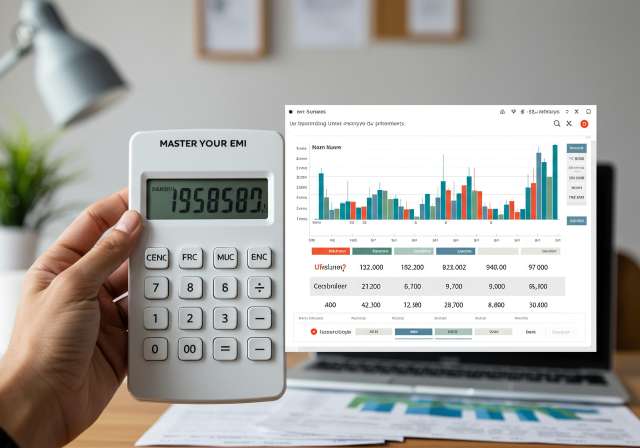
Looking for the best tools for daily trading? Discover the top intraday trading app options in India, compare features, brokerage charges, and find the perfect
Looking for the best tools for daily trading? Discover the top intraday trading app options in India, compare features, brokerage charges, and find the perfect platform to boost your trading success in the Indian stock market.
Best Intraday Trading Apps in India: A Comprehensive Guide
Introduction: Navigating the Indian Stock Market with Technology
The Indian stock market, with its vibrant energy and potential for quick returns, attracts numerous traders daily. Intraday trading, specifically, where positions are opened and closed within the same trading day, is a popular strategy. However, successfully navigating the volatility of the NSE (National Stock Exchange) and BSE (Bombay Stock Exchange) requires more than just market knowledge; it demands robust tools. This is where intraday trading apps come into play.
These apps have revolutionized the way Indians participate in the stock market. Gone are the days of relying solely on brokers for information and execution. Now, with a smartphone and a reliable internet connection, traders can access real-time data, analyze charts, and execute trades with ease. This accessibility has democratized trading, allowing even novice investors to participate in the market with informed decisions.
Key Features to Look for in an Intraday Trading App
Choosing the right app is crucial for successful intraday trading. Several factors should be considered to ensure the platform aligns with your trading style and needs. Here’s a breakdown of essential features:
Real-Time Data and Charting Tools
The foundation of any good trading app is access to real-time market data. Delayed data can lead to missed opportunities and potential losses. Look for apps that provide live streaming quotes for stocks, indices, and derivatives. In addition to data, comprehensive charting tools are essential for technical analysis. These tools should include:
- Multiple chart types: Line charts, candlestick charts, and bar charts.
- Technical indicators: Moving averages, RSI (Relative Strength Index), MACD (Moving Average Convergence Divergence), and Fibonacci retracements.
- Drawing tools: Trendlines, support and resistance lines, and other annotation tools.
Order Types and Execution Speed
Intraday trading often involves placing orders quickly to capitalize on fleeting opportunities. The app should support various order types, including:
- Market orders: Executed at the current market price.
- Limit orders: Executed only at a specified price or better.
- Stop-loss orders: Triggered when the price reaches a certain level to limit potential losses.
- Bracket orders: Combine a stop-loss and a target price in a single order.
Furthermore, the execution speed of orders is critical. A delay of even a few seconds can significantly impact profitability. Opt for apps known for their fast and reliable order execution.
User-Friendly Interface
A cluttered or confusing interface can hinder your trading performance. The app should be intuitive and easy to navigate, especially when making quick decisions under pressure. Consider these aspects:
- Clear presentation of data: Easy-to-read charts and tables.
- Customizable layouts: Ability to personalize the app to your preferences.
- Seamless navigation: Simple and logical menu structure.
Brokerage Charges and Fees
Brokerage charges can eat into your profits, especially with frequent intraday trading. Compare the brokerage rates of different apps and look for those with competitive pricing. Some brokers offer flat fee structures, while others charge a percentage of the transaction value. Also, be aware of other potential fees, such as:
- Account maintenance charges (AMC): Annual fees for maintaining your trading account.
- Transaction charges: Fees levied by the exchanges (NSE and BSE).
- DP charges: Charges for debiting shares from your Demat account.
Research and Analysis Tools
While technical analysis is important, fundamental analysis can also provide valuable insights. Some apps offer research reports, news feeds, and economic calendars to help you stay informed about market trends and company performance. This information can be particularly useful for identifying potential trading opportunities. Look for features that provide:
- Company financials: Key ratios, earnings reports, and balance sheets.
- Analyst ratings: Buy, sell, or hold recommendations from brokerage firms.
- News alerts: Real-time news and announcements that could impact stock prices.
Security and Reliability
Security is paramount when dealing with your financial assets. Ensure the app uses robust security measures to protect your account from unauthorized access. Look for features like:
- Two-factor authentication: Adds an extra layer of security by requiring a second verification code.
- Data encryption: Protects your personal and financial information from hackers.
- Regular security audits: Ensures the app is constantly updated to address potential vulnerabilities.
Reliability is also crucial. The app should be stable and perform consistently, especially during periods of high market volatility. Check reviews and ratings to gauge the app’s reliability.
Popular Intraday Trading Apps in India
Several popular intraday trading apps cater to the Indian market. Here’s a brief overview of some of the leading contenders:
- Zerodha Kite: Known for its user-friendly interface and low brokerage charges.
- Upstox: Another popular option with a simple interface and competitive pricing.
- Angel Broking: Offers a wide range of features and research tools.
- Groww: Easy to use interface, good for beginners, offers mutual fund investment as well.
- 5paisa: Known for its discount brokerage model and advanced trading tools.
Before choosing an app, it’s recommended to try out a few different options to see which one best suits your needs and preferences. Many brokers offer demo accounts that allow you to practice trading with virtual money.
Risk Management in Intraday Trading
Intraday trading is inherently risky, and it’s crucial to have a robust risk management strategy in place. Here are some key tips:
Set Stop-Loss Orders
Always use stop-loss orders to limit your potential losses. Determine the maximum amount you’re willing to lose on a trade and set your stop-loss accordingly. This helps to protect your capital and prevent emotional decision-making.
Manage Leverage Carefully
Leverage can magnify your profits, but it can also magnify your losses. Use leverage judiciously and only if you fully understand the risks involved. Start with lower leverage and gradually increase it as you gain experience.
Diversify Your Trades
Don’t put all your eggs in one basket. Diversify your trades across different stocks and sectors to reduce your overall risk. This helps to mitigate the impact of any single trade going against you.
Trade with a Plan
Have a clear trading plan before you start trading. Define your entry and exit points, risk-reward ratio, and trading strategy. Stick to your plan and avoid making impulsive decisions based on emotions.
Stay Informed
Keep abreast of market news and events that could impact your trades. Follow economic calendars, company announcements, and geopolitical developments. This helps you to make more informed trading decisions.
Beyond Intraday: Exploring Other Investment Options
While intraday trading can be exciting and potentially profitable, it’s important to remember that it’s not the only investment option available in the Indian market. Consider diversifying your portfolio with other asset classes, such as:
Mutual Funds
Mutual funds are a popular way to invest in a diversified portfolio of stocks, bonds, or other assets. They are managed by professional fund managers and offer a convenient way to participate in the market without having to actively manage your investments. Consider Systematic Investment Plans (SIPs) for regular investments.
Equity Linked Savings Scheme (ELSS)
ELSS funds are a type of mutual fund that invests primarily in equities and offers tax benefits under Section 80C of the Income Tax Act. They have a lock-in period of three years, which is the shortest among tax-saving investment options.
Public Provident Fund (PPF)
PPF is a long-term savings scheme backed by the government and offers tax benefits. It has a lock-in period of 15 years and offers a fixed interest rate that is reviewed periodically. This is a safe and reliable investment option for long-term financial goals.
National Pension System (NPS)
NPS is a retirement savings scheme that allows you to invest in a mix of equities, bonds, and other assets. It offers tax benefits and is designed to provide a regular income stream after retirement.
Conclusion: Empowering Your Trading Journey with the Right Tools
The world of intraday trading in India is rapidly evolving, driven by technological advancements. Choosing the right tools, especially the right intraday trading app, is paramount for success. By carefully considering the factors discussed in this article, you can select an app that empowers you to make informed decisions, manage risk effectively, and potentially achieve your financial goals. Remember to combine the power of technology with sound trading strategies and disciplined risk management practices. Always consult with a financial advisor before making any investment decisions. Happy trading!