Unlock the potential of the Indian stock market! This guide to BSE trading demystifies the Bombay Stock Exchange, offering insights for beginners and experience
Unlock the potential of the Indian stock market! This guide to BSE trading demystifies the Bombay Stock Exchange, offering insights for beginners and experienced investors alike. Learn about trading hours, listing requirements, and strategies to navigate India’s premier exchange.
Decoding the BSE: A Comprehensive Guide to Trading on the Bombay Stock Exchange
Introduction: The Legacy of the Bombay Stock Exchange (BSE)
The Bombay Stock Exchange (BSE), formerly known as the Bombay Stock Exchange Limited, stands as a towering institution in the Indian financial landscape. Its history is interwoven with the evolution of India’s capital markets, dating back to 1875, making it Asia’s oldest stock exchange and one of the oldest globally. For Indian investors, understanding the BSE is crucial for participating in the nation’s economic growth story.
Today, the BSE provides a platform for trading in equity, debt instruments, derivatives, mutual funds, and even exchange-traded funds (ETFs). It’s a barometer of the Indian economy, reflecting investor sentiment and corporate performance. The S&P BSE Sensex, its benchmark index, is a widely tracked indicator of market trends.
Getting Started with BSE Trading: A Step-by-Step Guide
Embarking on your journey into the world of BSE trading requires a structured approach. Here’s a step-by-step guide to help you navigate the process:
1. Opening a Demat and Trading Account: Your Gateway to the Market
The first and foremost step is to open a Demat (Dematerialized) and Trading account. A Demat account holds your shares in electronic form, while the trading account allows you to buy and sell securities. Consider factors like brokerage fees, account maintenance charges, and trading platform features when selecting a broker. Several reputable brokers operate in India, including Zerodha, Upstox, Angel One, and ICICI Direct. Ensure the broker is registered with SEBI (Securities and Exchange Board of India), the market regulator, for investor protection.
2. KYC Compliance: Ensuring Regulatory Adherence
Know Your Customer (KYC) compliance is a mandatory requirement for all investors in India. This involves submitting documents like your PAN card, Aadhaar card, address proof, and bank details to verify your identity and address. This process helps prevent money laundering and ensures transparency in the financial markets. SEBI mandates KYC compliance to protect investors and maintain the integrity of the market.
3. Understanding the BSE Trading Platform: Navigating the System
Familiarize yourself with the trading platform provided by your broker. Most brokers offer online trading platforms accessible via web browsers and mobile apps. Learn how to place orders, view market depth, analyze charts, and manage your portfolio. Utilize demo accounts or virtual trading platforms to practice trading without risking real money. This will help you get comfortable with the platform’s functionalities and develop your trading strategies.
4. Funding Your Trading Account: Preparing for Transactions
Once your Demat and Trading account are set up, you need to fund it before you can start trading. You can transfer funds from your bank account to your trading account using various methods like online banking, UPI (Unified Payments Interface), or NEFT (National Electronic Funds Transfer). Ensure the bank account is linked to your trading account to facilitate seamless fund transfers.
Key Concepts for Successful BSE Trading
To navigate the complexities of the stock market effectively, understanding key concepts is paramount. Here are some essential concepts every investor should be familiar with:
1. Market Capitalization: Understanding Company Size
Market capitalization refers to the total value of a company’s outstanding shares. It is calculated by multiplying the current market price per share by the total number of outstanding shares. Companies are typically categorized based on their market capitalization as large-cap, mid-cap, and small-cap. Large-cap companies are generally more stable and less volatile, while small-cap companies offer higher growth potential but also carry greater risk.
2. Trading Hours: Knowing When to Trade
The BSE trading hours are typically from 9:15 AM to 3:30 PM Indian Standard Time (IST) on weekdays (Monday to Friday). It’s important to be aware of these timings as you can only place orders during these hours. Pre-open sessions and post-close sessions are also available but have different rules and purposes. Knowing the trading hours allows you to plan your trades strategically.
3. Order Types: Choosing the Right Approach
Various order types are available to execute your trades. The most common types include:
- Market Order: This order is executed immediately at the best available price in the market.
- Limit Order: This order allows you to specify the maximum price you are willing to pay for a buy order or the minimum price you are willing to accept for a sell order. The order will only be executed if the market price reaches your specified price.
- Stop-Loss Order: This order is used to limit potential losses on a trade. It is placed below the current market price for a long position (buy) and above the current market price for a short position (sell). Once the market price reaches the stop-loss price, the order is triggered and becomes a market order.
4. Intraday Trading vs. Delivery Trading: Understanding Different Strategies
Intraday trading involves buying and selling securities within the same trading day. The goal is to profit from short-term price fluctuations. Positions are typically squared off before the market closes. Delivery trading involves holding the shares for more than one day. Investors take delivery of the shares in their Demat account and can hold them for as long as they wish. This strategy is typically employed for long-term investments.
5. Reading Stock Charts: Technical Analysis Basics
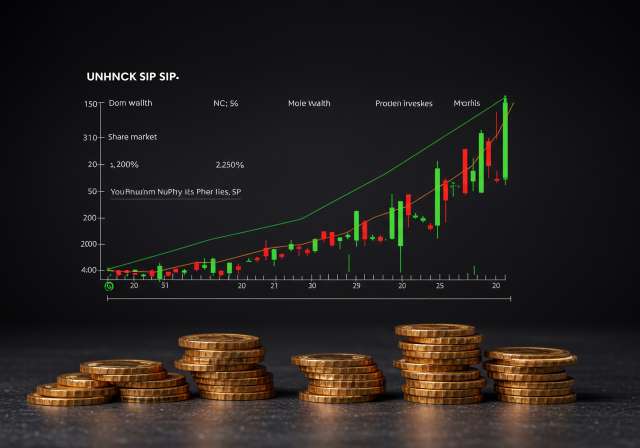
Understanding stock charts is essential for technical analysis, which involves analyzing historical price and volume data to identify patterns and predict future price movements. Common chart patterns include head and shoulders, double top, and double bottom. Candlestick charts are widely used to represent price movements over a specific period. Learning to read these charts can provide valuable insights into market trends and potential trading opportunities.
Investment Strategies for BSE Trading: Building a Profitable Portfolio
Developing a well-defined investment strategy is crucial for achieving your financial goals. Here are some common investment strategies to consider:
1. Value Investing: Identifying Undervalued Stocks
Value investing involves identifying stocks that are trading below their intrinsic value. Investors look for companies with strong fundamentals, such as healthy earnings, low debt, and a solid track record. They believe that the market will eventually recognize the true value of these companies, leading to price appreciation. Warren Buffett is a famous proponent of value investing.
2. Growth Investing: Targeting High-Growth Companies
Growth investing focuses on identifying companies with high growth potential. These companies typically operate in rapidly growing industries and are expected to generate above-average earnings growth. Investors are willing to pay a premium for these stocks, anticipating significant capital appreciation. However, growth stocks can be more volatile than value stocks.
3. Dividend Investing: Earning Regular Income
Dividend investing involves investing in companies that pay regular dividends to their shareholders. Dividends are a portion of the company’s profits that are distributed to investors. Dividend stocks can provide a steady stream of income and are often favored by retirees and income-seeking investors. Look for companies with a consistent history of paying dividends and a strong dividend payout ratio.
4. Diversification: Spreading Your Risk
Diversification is a crucial risk management technique that involves spreading your investments across different asset classes, industries, and geographies. By diversifying your portfolio, you can reduce the impact of any single investment on your overall returns. Consider investing in a mix of stocks, bonds, mutual funds, and other asset classes to create a well-diversified portfolio. SIPs (Systematic Investment Plans) in diversified equity mutual funds are a good way to achieve diversification.
5. SIP Investments: A Disciplined Approach
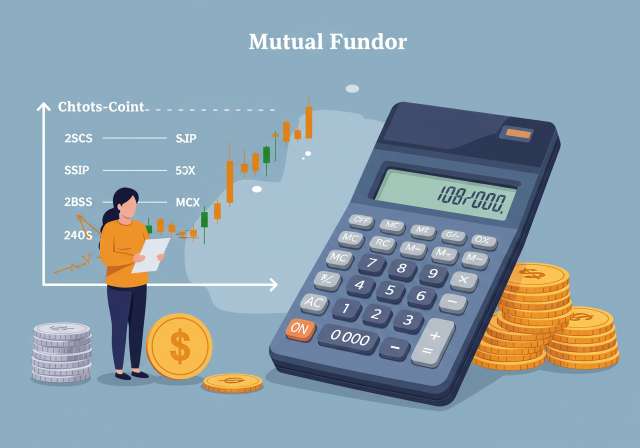
A Systematic Investment Plan (SIP) is a method of investing a fixed sum of money in a mutual fund at regular intervals, typically monthly. SIPs help to average out the cost of investment and reduce the impact of market volatility. They are a disciplined approach to investing and are suitable for long-term financial goals like retirement planning and children’s education. Many Indian investors utilize SIPs to build wealth over time. Tax-saving ELSS (Equity Linked Savings Scheme) mutual funds are often chosen for SIPs to claim tax benefits under Section 80C of the Income Tax Act.
Understanding Risk Management in BSE Trading
Risk management is an integral part of successful BSE trading. It involves identifying, assessing, and mitigating potential risks to protect your capital.
1. Stop-Loss Orders: Limiting Potential Losses
As mentioned earlier, stop-loss orders are crucial for limiting potential losses on your trades. Place stop-loss orders at appropriate levels based on your risk tolerance and trading strategy. Avoid setting stop-loss orders too close to the current market price, as this can lead to premature exits due to minor price fluctuations.
2. Position Sizing: Controlling Your Exposure
Position sizing refers to determining the appropriate amount of capital to allocate to each trade. Avoid investing a large portion of your portfolio in a single trade, as this can significantly increase your risk exposure. A general rule of thumb is to risk no more than 1-2% of your trading capital on any single trade.
3. Leverage: Proceed with Caution
Leverage allows you to control a larger position with a smaller amount of capital. While leverage can amplify your profits, it can also magnify your losses. Use leverage cautiously and only if you fully understand the associated risks. Excessive leverage can lead to significant financial losses.
4. Emotional Discipline: Staying Rational
Emotional discipline is crucial for making rational trading decisions. Avoid letting emotions like fear and greed influence your trading decisions. Stick to your pre-defined trading plan and avoid making impulsive trades based on market hype or rumors. Keeping a trading journal can help you track your trades and identify patterns in your emotional responses.
Beyond Equities: Other Investment Options on the BSE
The BSE offers a diverse range of investment options beyond equities, catering to different risk appetites and investment goals.
1. Debt Instruments: Investing in Bonds and Debentures
Debt instruments, such as bonds and debentures, are fixed-income securities that offer a fixed rate of return. They are generally considered less risky than equities and can provide a stable source of income. Government bonds and corporate bonds are available for trading on the BSE.
2. Mutual Funds: Diversified Investment Vehicles
Mutual funds pool money from multiple investors to invest in a diversified portfolio of securities. They are managed by professional fund managers and offer a convenient way to access a wide range of investment opportunities. Various types of mutual funds are available, including equity funds, debt funds, and hybrid funds.
3. Exchange Traded Funds (ETFs): Combining Features of Stocks and Mutual Funds
Exchange-Traded Funds (ETFs) are investment funds that are traded on stock exchanges, similar to individual stocks. They typically track a specific index, sector, or commodity. ETFs offer diversification benefits and can be a cost-effective way to invest in a particular market segment.
4. Sovereign Gold Bonds (SGBs): Investing in Gold Digitally
Sovereign Gold Bonds (SGBs) are government securities denominated in grams of gold. They are issued by the Reserve Bank of India (RBI) on behalf of the Government of India. SGBs offer a safe and convenient way to invest in gold without the need for physical storage. They also pay a fixed interest rate on the initial investment amount.
Staying Updated: Essential Resources for BSE Trading
Staying informed about market trends, company news, and economic developments is crucial for making informed investment decisions. Here are some essential resources to keep you updated:
- BSE Website: The official BSE website provides access to market data, company information, and regulatory announcements.
- Financial News Websites: Reputable financial news websites like The Economic Times, Business Standard, and Livemint provide up-to-date news and analysis on the Indian stock market.
- SEBI Website: The SEBI website provides information on regulations, investor protection measures, and market developments.
- Brokerage Research Reports: Many brokers offer research reports that provide insights into specific companies and market trends.
- Financial Literacy Courses: Consider taking financial literacy courses to enhance your understanding of the stock market and investment strategies.
Conclusion: Empowering Your Investment Journey on the BSE
The Bombay Stock Exchange offers a gateway to participate in the growth story of the Indian economy. By understanding the fundamentals of BSE trading, developing a well-defined investment strategy, and managing your risks effectively, you can navigate the market with confidence and achieve your financial goals. Remember to stay informed, be patient, and invest responsibly. Consider seeking advice from a qualified financial advisor before making any investment decisions. Other long term investments to consider for retirement may be PPF (Public Provident Fund) or NPS (National Pension System) which give different advantages.