Tag: stock trading

  • Intraday Trading: A Beginner’s Guide to Day Trading in India

    Intraday Trading: A Beginner’s Guide to Day Trading in India

    Demystifying Intraday Trading: Learn the basics, strategies, risks, and rewards of day trading in the Indian stock market. Navigate NSE/BSE like a pro! Intrada

    Demystifying intraday trading: Learn the basics, strategies, risks, and rewards of day trading in the Indian stock market. Navigate NSE/BSE like a pro!

    Intraday Trading: A Beginner’s Guide to Day Trading in India

    Understanding the Basics of Intraday Trading

    The Indian stock market offers various avenues for investors, ranging from long-term investments to shorter-term speculative plays. One such approach, often attracting both seasoned traders and curious newcomers, is intraday trading. But what exactly is it, and how does it work within the context of the Indian financial landscape?

    In essence, intraday trading, also known as day trading, involves buying and selling stocks (or other financial instruments) within the same trading day. The goal is to profit from short-term price fluctuations, closing out all positions before the market closes. This means no stocks are held overnight, eliminating overnight risk associated with market-moving news or events.

    The Indian stock market, primarily represented by the National Stock Exchange (NSE) and the Bombay Stock Exchange (BSE), provides the platform for this activity. Trading hours typically run from 9:15 AM to 3:30 PM IST, offering a limited window for executing these trades.

    Unlike long-term investments where the fundamental strength of a company plays a crucial role, intraday traders focus heavily on technical analysis, charting patterns, and market sentiment. News events, earnings announcements, and even global market trends can significantly impact stock prices within a single day, creating opportunities (and risks) for intraday traders.

    Key Differences: Intraday Trading vs. Other Investment Strategies

    It’s crucial to distinguish intraday trading from other common investment approaches:

    • Long-Term Investing: This involves buying stocks with the intention of holding them for months, years, or even decades. The focus is on the company’s long-term growth potential and dividend income. Strategies like investing in fundamentally strong companies through SIPs (Systematic Investment Plans) in equity mutual funds or contributing to long-term retirement savings plans like PPF (Public Provident Fund) or NPS (National Pension System) fall under this category.
    • Swing Trading: Swing traders hold positions for a few days or weeks, aiming to capture larger price swings than intraday traders. They use a combination of technical and fundamental analysis.
    • Positional Trading: Similar to swing trading, but with a longer time horizon, potentially holding positions for several weeks or months.

    The risk profile of intraday trading is significantly higher than these longer-term strategies. While the potential for quick profits exists, the risk of substantial losses is also considerable. Unlike long-term investments, where time can mitigate short-term volatility, intraday traders must make quick decisions in a fast-paced environment.

    Essential Tools and Strategies for Indian Intraday Traders

    Successful intraday trading requires a combination of knowledge, discipline, and the right tools. Here’s a breakdown of essential elements:

    1. Technical Analysis: The Foundation

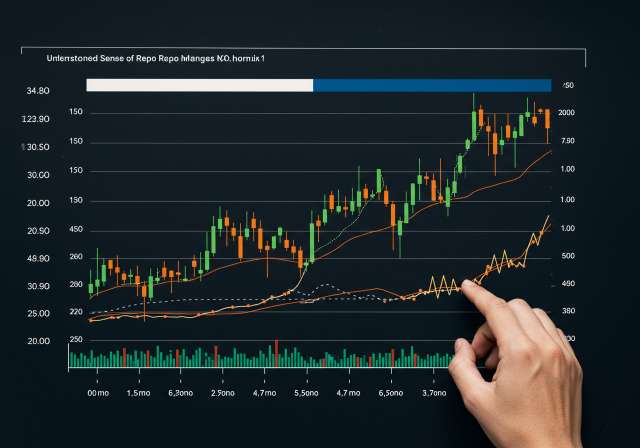
    Technical analysis is the backbone of intraday trading. It involves studying historical price charts and using various indicators to predict future price movements. Some commonly used technical indicators in the Indian context include:

    • Moving Averages: Used to identify trends and potential support/resistance levels.
    • Relative Strength Index (RSI): Measures the magnitude of recent price changes to evaluate overbought or oversold conditions.
    • Moving Average Convergence Divergence (MACD): A trend-following momentum indicator that shows the relationship between two moving averages of prices.
    • Bollinger Bands: Used to measure volatility and identify potential breakouts.
    • Fibonacci Retracements: Used to identify potential support and resistance levels based on Fibonacci ratios.

    2. Risk Management: Protecting Your Capital

    Risk management is paramount in intraday trading. Given the inherent volatility, it’s crucial to implement strategies to protect your capital. Key risk management techniques include:

    • Setting Stop-Loss Orders: A stop-loss order automatically closes your position when the price reaches a predetermined level, limiting potential losses.
    • Position Sizing: Determine the appropriate size of your trade based on your risk tolerance and capital. Avoid over-leveraging your account.
    • Risk-Reward Ratio: Aim for a favorable risk-reward ratio, where the potential profit outweighs the potential loss. A common target is a 1:2 or 1:3 risk-reward ratio.
    • Emotional Control: Avoid making impulsive decisions based on fear or greed. Stick to your trading plan and be disciplined.

    3. Choosing the Right Stocks: Liquidity and Volatility

    Selecting the right stocks for intraday trading is crucial. Focus on stocks that are liquid (easily bought and sold) and exhibit sufficient volatility to create trading opportunities. Look for stocks listed on the NSE or BSE with high trading volumes.

    Avoid illiquid stocks, as you may struggle to enter or exit positions at your desired price. Also, avoid extremely volatile stocks that can lead to unpredictable and potentially devastating losses.

    4. Staying Informed: Market News and Analysis

    Keep abreast of market news, economic events, and company-specific announcements that could impact stock prices. Regularly monitor financial news websites, business channels, and research reports.

    Understanding the market sentiment and identifying potential catalysts for price movements can provide a significant edge in intraday trading.

    5. Trading Platform and Brokerage Account: Choosing Wisely

    Select a reliable and user-friendly trading platform that provides real-time market data, charting tools, and efficient order execution. Consider factors such as brokerage fees, margin requirements, and customer support.

    Several reputable brokerage firms in India offer specialized platforms for intraday traders. Research and compare different options to find the one that best suits your needs.

    Risks and Challenges of Intraday Trading in India

    While the allure of quick profits can be tempting, it’s essential to be aware of the significant risks associated with intraday trading:

    • High Risk of Loss: The fast-paced nature and high leverage involved in intraday trading can lead to substantial losses in a short period.
    • Time Commitment: Intraday trading requires significant time and dedication to monitor the market, analyze charts, and execute trades.
    • Emotional Stress: The constant pressure to make quick decisions can be emotionally draining and lead to impulsive behavior.
    • Brokerage and Transaction Costs: Frequent trading can result in significant brokerage and transaction costs, which can eat into your profits.
    • Market Volatility: Unexpected market events and sudden price swings can disrupt your trading plan and lead to losses.

    Regulatory Framework and SEBI Guidelines

    The Securities and Exchange Board of India (SEBI) regulates the Indian stock market and sets guidelines for intraday trading. These guidelines aim to protect investors and ensure fair market practices.

    Some key SEBI regulations relevant to intraday trading include:

    • Margin Requirements: SEBI specifies the margin requirements for different stocks, which determine the amount of leverage available to traders.
    • Insider Trading Regulations: Intraday traders must adhere to strict insider trading regulations, which prohibit trading based on non-public information.
    • Surveillance Measures: SEBI monitors trading activity to detect and prevent market manipulation and other illegal practices.

    It’s crucial for intraday traders to understand and comply with all applicable SEBI regulations to avoid penalties and ensure ethical trading practices.

    Is Intraday Trading Right for You?

    Before venturing into intraday trading, carefully assess your risk tolerance, financial resources, and time commitment. It’s not a get-rich-quick scheme and requires significant effort and discipline.

    Consider the following questions:

    • Can you afford to lose the capital you allocate to intraday trading?
    • Do you have the time and dedication to monitor the market and analyze charts regularly?
    • Are you comfortable with high levels of risk and volatility?
    • Do you have a disciplined trading plan and the emotional control to stick to it?

    If you answer “no” to any of these questions, intraday trading may not be suitable for you. Consider exploring other investment options that align better with your risk profile and financial goals.

    Alternatives to Intraday Trading for Indian Investors

    For those seeking less risky and time-consuming investment strategies, several alternatives are available in the Indian market:

    • Systematic Investment Plans (SIPs): Investing in mutual funds through SIPs allows you to invest a fixed amount regularly, benefiting from rupee-cost averaging and long-term growth.
    • Equity Linked Savings Scheme (ELSS): ELSS funds offer tax benefits under Section 80C of the Income Tax Act and provide exposure to the equity market.
    • Public Provident Fund (PPF): A long-term, low-risk savings scheme with tax benefits and guaranteed returns.
    • National Pension System (NPS): A retirement savings scheme with tax benefits and the option to invest in a mix of equity and debt.
    • Index Funds: These funds track a specific market index, such as the Nifty 50 or Sensex, providing diversified exposure to the Indian stock market.

    These alternatives offer a more balanced approach to investing, allowing you to build wealth over time without the high risks and demands of intraday trading. Remember to consult with a financial advisor to determine the best investment strategy for your individual needs and circumstances. Understanding the nuances of the Indian equity markets is crucial, whether you’re involved in active trading or long-term investment strategies.

  • Decoding the Indian Stock Market: A Comprehensive Guide to the BSE

    Decoding the Indian Stock Market: A Comprehensive Guide to the BSE

    Unlocking investment opportunities with the Bombay Stock Exchange (BSE). Understand its history, significance, indices, and how it impacts your portfolio. Learn

    Unlocking investment opportunities with the Bombay Stock Exchange (bse). Understand its history, significance, indices, and how it impacts your portfolio. Learn how to navigate the BSE for smarter financial decisions in the Indian market.

    Decoding the Indian Stock Market: A Comprehensive Guide to the BSE

    Introduction: The Gateway to Indian Equities

    For Indian investors seeking to participate in the dynamic world of equity markets, the Bombay Stock Exchange (BSE) is more than just a platform; it’s a cornerstone of the nation’s financial infrastructure. Established in 1875, it holds the distinction of being Asia’s oldest stock exchange and has played a pivotal role in shaping the investment landscape of India. This comprehensive guide aims to demystify the BSE, providing you with the essential knowledge to understand its operations, navigate its complexities, and leverage its potential for building a robust investment portfolio.

    A Historical Perspective: From Dalal Street to Global Recognition

    The journey of the BSE is intertwined with the evolution of Indian finance. Starting humbly under a banyan tree on Dalal Street, Mumbai, it has transformed into a technologically advanced exchange recognized globally. This rich history underscores its resilience and adaptability, qualities that resonate with Indian investors seeking stability and growth.

    Key Milestones in BSE’s History:

    • 1875: Officially established as “The Native Share and Stock Brokers’ Association.”
    • 1986: Introduced the SENSEX, India’s first equity index, a benchmark for the Indian stock market.
    • 1995: Adopted electronic trading, revolutionizing trading efficiency and accessibility.
    • 2007: Demutualized, separating ownership and management for enhanced transparency and corporate governance.

    Understanding these milestones provides context to the BSE’s current position and its commitment to fostering a fair and transparent market environment, principles highly valued by the Securities and Exchange Board of India (SEBI).

    Understanding the BSE’s Operations

    The BSE operates as a sophisticated electronic trading platform, connecting buyers and sellers of securities efficiently. Its primary function is to facilitate the trading of stocks, bonds, mutual funds, and other financial instruments. Here’s a breakdown of its key operational aspects:

    Key Operational Components:

    • Listing: Companies seeking to raise capital can list their shares on the BSE after meeting specific eligibility criteria. This process increases visibility and provides access to a broader investor base.
    • Trading Platform: The BSE’s trading platform facilitates seamless order matching and execution, ensuring price discovery and market efficiency.
    • Clearing and Settlement: The exchange ensures the smooth clearing and settlement of trades, mitigating counterparty risk and maintaining market integrity.
    • Surveillance: A robust surveillance system monitors trading activity to detect and prevent market manipulation, safeguarding investor interests.

    The SENSEX: India’s Market Barometer

    The SENSEX, or the Sensitive Index, is the BSE’s flagship index. It represents the performance of 30 of the largest and most actively traded companies listed on the exchange. It serves as a barometer of the Indian equity market, reflecting overall market sentiment and economic trends. Analyzing the SENSEX’s movements helps investors gauge the broader market’s direction and make informed investment decisions. For example, a sustained upward trend in the SENSEX may indicate a bullish market, while a downward trend may signal a bearish outlook.

    Factors Influencing the SENSEX:

    • Economic Indicators: GDP growth, inflation rates, and interest rate movements significantly impact the SENSEX.
    • Corporate Earnings: The financial performance of the 30 companies comprising the SENSEX directly influences its value.
    • Global Events: International market trends, geopolitical events, and commodity prices can also affect the SENSEX.
    • Government Policies: Fiscal policies, regulatory changes, and infrastructure development initiatives can impact market sentiment and, consequently, the SENSEX.

    Investing Through the BSE: Avenues for Indian Investors

    The BSE provides a diverse range of investment options catering to different risk appetites and financial goals. Understanding these avenues is crucial for building a well-diversified portfolio.

    Popular Investment Instruments on the BSE:

    • Equity Shares: Investing in equity shares represents ownership in a company. Returns are generated through capital appreciation and dividends.
    • Mutual Funds: Mutual funds pool money from multiple investors to invest in a diversified portfolio of stocks, bonds, or other assets, managed by professional fund managers. Systematic Investment Plans (SIPs) allow investors to invest a fixed amount regularly, benefiting from rupee cost averaging.
    • Exchange Traded Funds (ETFs): ETFs are investment funds traded on stock exchanges, offering diversification and liquidity.
    • Bonds: Bonds are debt instruments issued by corporations or governments, offering fixed income returns.
    • Derivatives: Derivatives, such as futures and options, allow investors to speculate on price movements or hedge against risk.
    • Sovereign Gold Bonds (SGBs): These are government securities denominated in grams of gold, providing a safe and convenient way to invest in gold.

    Navigating Risk and Returns: A Balanced Approach

    Investing in the stock market inherently involves risk. However, by understanding the different types of risks and adopting a disciplined approach, investors can mitigate potential losses and maximize returns.

    Key Risk Factors to Consider:

    • Market Risk: The risk of overall market decline affecting all investments.
    • Company-Specific Risk: The risk associated with the financial health and performance of individual companies.
    • Liquidity Risk: The risk of not being able to sell an investment quickly enough without incurring significant losses.
    • Inflation Risk: The risk that inflation erodes the purchasing power of investment returns.

    Strategies for Managing Risk:

    • Diversification: Spreading investments across different asset classes and sectors to reduce exposure to specific risks.
    • Asset Allocation: Determining the optimal mix of assets based on risk tolerance and investment goals.
    • Due Diligence: Conducting thorough research on companies and investment products before investing.
    • Regular Monitoring: Periodically reviewing the performance of investments and making adjustments as needed.
    • Long-Term Perspective: Adopting a long-term investment horizon to ride out market volatility and benefit from compounding.

    The BSE and Regulatory Oversight: Ensuring Investor Protection

    The SEBI plays a crucial role in regulating the Indian stock market, including the BSE. SEBI’s regulations are designed to ensure fair trading practices, protect investor interests, and maintain market integrity. Compliance with SEBI guidelines is mandatory for all market participants, including listed companies, brokers, and investors. This regulatory framework fosters trust and confidence in the Indian stock market.

    Key Regulatory Functions of SEBI:

    • Registration and Supervision of Market Intermediaries: SEBI regulates brokers, mutual funds, and other market intermediaries to ensure they adhere to ethical and professional standards.
    • Prevention of Insider Trading: SEBI enforces strict rules against insider trading to prevent unfair advantages based on non-public information.
    • Disclosure Requirements: Listed companies are required to disclose material information promptly to ensure transparency and inform investor decisions.
    • Investor Grievance Redressal: SEBI provides a mechanism for investors to address grievances against market participants.

    Tax Implications of Investing in the BSE

    Understanding the tax implications of investments is crucial for maximizing returns. Different investment instruments are subject to different tax rules. For example, short-term capital gains (STCG) and long-term capital gains (LTCG) on equity investments are taxed at different rates. Investments in instruments like ELSS (Equity Linked Savings Scheme) qualify for tax deductions under Section 80C of the Income Tax Act. Investments in Public Provident Fund (PPF) and National Pension System (NPS) also offer tax benefits. Consulting a financial advisor is recommended for personalized tax planning advice. Before investing in any financial instrument, consider all factors and the tax implications.

    Conclusion: Empowering Investors in the Indian Equity Market

    The BSE is not just a stock exchange; it’s a vital engine of economic growth and wealth creation in India. By understanding its history, operations, and regulatory framework, Indian investors can navigate the complexities of the equity market with greater confidence and make informed investment decisions. Whether you are a seasoned investor or a novice, the BSE provides a platform to participate in the growth story of India. Embrace the opportunities, manage the risks, and build a financially secure future through informed investment strategies on the Bombay Stock Exchange.

  • Decoding the Indian Stock Market: A Comprehensive Guide

    Decoding the Indian Stock Market: A Comprehensive Guide

    Demystifying the Indian Stock Market: Explore the history, role, and impact of the National Stock Exchange (NSE) on investors, the economy, and financial landsc

    Demystifying the Indian Stock Market: Explore the history, role, and impact of the National Stock Exchange (nse) on investors, the economy, and financial landscape.

    Decoding the Indian Stock Market: A Comprehensive Guide

    Introduction: The Engine of India’s Financial Growth

    The Indian stock market is a dynamic and ever-evolving entity, serving as a crucial barometer of the nation’s economic health. It provides a platform for companies to raise capital and for investors to participate in the growth story of India. Understanding the intricacies of this market is essential for anyone looking to build wealth and achieve financial security. This article will delve into the fundamental aspects of the Indian stock market, exploring its structure, key players, and the various investment options available to you.

    Understanding the Structure of the Indian Stock Market

    The Indian stock market primarily comprises two major exchanges: the Bombay Stock Exchange (BSE) and the National Stock Exchange. Both exchanges provide a platform for trading in a variety of securities, including equities, derivatives, and debt instruments. The Securities and Exchange Board of India (SEBI) acts as the regulatory authority, ensuring fair practices, investor protection, and market integrity.

    Key Players in the Indian Stock Market

    The Indian stock market ecosystem involves various key players, each with specific roles and responsibilities:

    • SEBI (Securities and Exchange Board of India): The regulator responsible for overseeing and regulating the Indian stock market. SEBI’s primary objective is to protect the interests of investors and ensure fair and transparent trading practices.
    • Stock Exchanges (BSE & NSE): Platforms where securities are bought and sold. They provide the infrastructure and regulatory framework for trading activities.
    • Brokers: Intermediaries between buyers and sellers of securities. They execute trades on behalf of their clients and provide investment advice.
    • Depositories (NSDL & CDSL): Institutions that hold securities in electronic form, facilitating easy and secure trading and transfer of ownership.
    • Mutual Funds: Investment vehicles that pool money from multiple investors to invest in a diversified portfolio of securities.
    • Institutional Investors (FIIs & DIIs): Large investors such as Foreign Institutional Investors (FIIs) and Domestic Institutional Investors (DIIs) who play a significant role in influencing market trends.
    • Retail Investors: Individual investors who participate in the stock market to achieve their financial goals.

    Investment Options in the Indian Stock Market

    The Indian stock market offers a wide range of investment options to suit different risk appetites and investment objectives. Here’s a look at some of the most popular investment avenues:

    Equities (Stocks)

    Equities represent ownership in a company. When you buy a stock, you become a shareholder and are entitled to a portion of the company’s profits. Equities are considered a high-risk, high-reward investment option. They have the potential to generate significant returns but are also subject to market volatility.

    Mutual Funds

    Mutual funds are professionally managed investment vehicles that pool money from multiple investors to invest in a diversified portfolio of stocks, bonds, or other assets. Mutual funds offer diversification and professional management, making them a popular choice for both beginner and experienced investors. There are various types of mutual funds, including equity funds, debt funds, and hybrid funds, each with its own risk-return profile.

    Systematic Investment Plan (SIP)

    A Systematic Investment Plan (SIP) is a method of investing a fixed amount of money in a mutual fund at regular intervals, typically monthly. SIPs allow you to invest in a disciplined manner and benefit from rupee cost averaging, which helps to reduce the impact of market volatility.

    Exchange Traded Funds (ETFs)

    Exchange Traded Funds (ETFs) are similar to mutual funds but are traded on stock exchanges like individual stocks. ETFs typically track a specific index, sector, or commodity, offering investors a convenient and cost-effective way to diversify their portfolio.

    Derivatives (Futures & Options)

    Derivatives are financial instruments whose value is derived from an underlying asset, such as stocks, indices, or commodities. Futures and options are the most common types of derivatives. Derivatives are complex instruments and are generally suitable for experienced investors with a high-risk tolerance.

    Fixed Income Investments

    Fixed income investments, such as bonds, debentures, and government securities, offer a fixed rate of return over a specified period. They are considered less risky than equities and are suitable for investors seeking stable income and capital preservation.

    Public Provident Fund (PPF)

    The Public Provident Fund (PPF) is a government-backed savings scheme that offers tax benefits and a guaranteed rate of return. PPF is a popular choice for long-term savings and retirement planning.

    National Pension System (NPS)

    The National Pension System (NPS) is a government-sponsored pension scheme that allows individuals to save for their retirement. NPS offers a combination of equity and debt investments and provides tax benefits.

    Equity Linked Savings Scheme (ELSS)

    Equity Linked Savings Scheme (ELSS) is a type of equity mutual fund that offers tax benefits under Section 80C of the Income Tax Act. ELSS funds have a lock-in period of three years, the shortest among all tax-saving investment options.

    Tips for Investing in the Indian Stock Market

    Investing in the stock market can be rewarding, but it also involves risks. Here are some tips to help you make informed investment decisions:

    • Set Clear Financial Goals: Define your investment objectives, such as retirement planning, buying a house, or funding your children’s education.
    • Assess Your Risk Tolerance: Understand your ability to handle potential losses. Choose investments that align with your risk appetite.
    • Do Your Research: Before investing in any stock or mutual fund, thoroughly research the company’s financials, management, and industry outlook. Read analyst reports and consult with financial advisors.
    • Diversify Your Portfolio: Spread your investments across different asset classes, sectors, and geographies to reduce risk.
    • Invest for the Long Term: Avoid trying to time the market. Focus on long-term investing and stay invested through market cycles.
    • Stay Informed: Keep track of market trends, economic developments, and company news that may affect your investments.
    • Be Disciplined: Stick to your investment plan and avoid making emotional decisions based on short-term market fluctuations.
    • Seek Professional Advice: If you are unsure about any aspect of investing, consult with a qualified financial advisor.

    Understanding Market Indices: Sensex and Nifty

    Market indices are important indicators of overall market performance. In India, the two most prominent indices are the Sensex (BSE Sensex) and the Nifty 50 (NSE Nifty 50). The Sensex tracks the performance of the 30 largest and most actively traded stocks on the BSE, while the Nifty 50 tracks the performance of the 50 largest and most actively traded stocks on the . These indices provide a snapshot of the overall market sentiment and help investors gauge market trends.

    Impact of Global Events on the Indian Stock Market

    The Indian stock market is not isolated from global events. Factors such as global economic growth, interest rate movements, geopolitical tensions, and commodity prices can all have a significant impact on the Indian stock market. Investors should be aware of these global influences and factor them into their investment decisions.

    The Role of Technology in Modern Investing

    Technology has revolutionized the way people invest. Online trading platforms, mobile apps, and robo-advisors have made investing more accessible and convenient than ever before. These platforms provide real-time market data, analysis tools, and personalized investment recommendations, empowering investors to make informed decisions.

    Conclusion: Empowering Your Financial Journey

    The Indian stock market offers a wealth of opportunities for investors to grow their wealth and achieve their financial goals. By understanding the structure of the market, the various investment options available, and the factors that influence market performance, you can make informed investment decisions and navigate the complexities of the stock market with confidence. Remember to invest for the long term, diversify your portfolio, and stay informed about market trends. With patience, discipline, and a well-thought-out investment strategy, you can unlock the potential of the Indian stock market and build a secure financial future.