Looking for a reliable and trustworthy partner in the Indian stock market? Learn how to identify a good stock broker in India, compare fees, platforms, and serv
Looking for a reliable and trustworthy partner in the Indian stock market? Learn how to identify a good stock broker in india, compare fees, platforms, and services to make informed investment decisions for your financial future.
Finding Your Ideal Partner: A Guide to Good Stock Brokers in India
Navigating the Indian Stock Market: Why a Good Broker Matters
The Indian stock market, encompassing the National Stock Exchange (NSE) and the Bombay Stock Exchange (BSE), offers tremendous opportunities for wealth creation. However, navigating this complex landscape requires knowledge, strategy, and, crucially, a reliable stock broker. A good stock broker acts as your gateway to the market, providing the platform, tools, and support needed to make informed investment decisions. They are more than just order takers; they are your partners in building your financial future. Choosing the right one can significantly impact your investment success.
Understanding the Role of a Stock Broker
Before diving into the criteria for selecting a suitable broker, let’s define their role. Stock brokers, regulated by the Securities and Exchange Board of India (SEBI), facilitate the buying and selling of securities, including stocks, bonds, mutual funds, and derivatives. They act as intermediaries between investors and the exchanges, executing trades on your behalf. They also often provide research reports, market analysis, and advisory services to help you make informed decisions. The level of support they offer often differentiates between discount and full-service brokers, which we’ll discuss later.
Key Factors to Consider When Choosing a Stock Broker in India
Selecting a stock broker is a critical decision. Here’s a breakdown of the key factors you should carefully evaluate:
1. Regulatory Compliance and Security
This is paramount. Ensure your chosen broker is registered with SEBI. This guarantees they adhere to regulatory norms and are subject to SEBI’s oversight. Verify their registration status on the SEBI website. Look for brokers with robust security measures to protect your funds and personal information. Two-factor authentication, data encryption, and regular security audits are essential.
2. Brokerage Fees and Charges
Brokerage charges can eat into your investment returns. Understand the fee structure before opening an account. Brokers typically charge either a percentage of the transaction value or a fixed fee per trade. Discount brokers often offer lower brokerage rates, making them attractive for frequent traders. Full-service brokers may charge higher fees but offer personalized advisory services. Consider other charges like account opening fees, Demat account maintenance charges, and transaction charges levied by the exchanges. Comparison is key; use online brokerage calculators to estimate potential costs.
3. Trading Platform and Technology
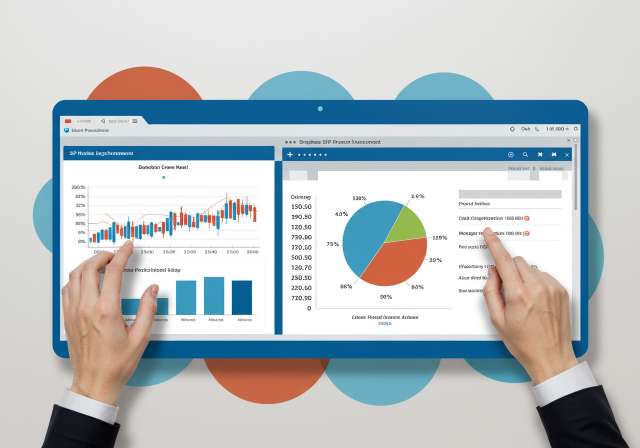
A user-friendly and efficient trading platform is essential. The platform should be reliable, fast, and offer real-time market data. Look for features like charting tools, technical indicators, and order execution options (e.g., market orders, limit orders). Mobile trading apps are also crucial for investors who prefer to trade on the go. Test the platform’s interface and functionality before committing to a broker. Many brokers offer demo accounts for this purpose.
4. Investment Options and Products Offered
Consider the range of investment options offered by the broker. If you are interested in investing beyond equities, ensure the broker provides access to other asset classes like mutual funds, bonds, derivatives, IPOs, and ETFs. Some brokers also offer access to international markets, which can diversify your portfolio. Furthermore, explore if the broker facilitates investment in other financial products like Public Provident Fund (PPF), National Pension System (NPS), and insurance plans.
5. Research and Advisory Services
For novice investors, access to research reports and advisory services can be invaluable. Full-service brokers typically provide in-depth market analysis, stock recommendations, and personalized investment advice. Even discount brokers may offer basic research tools and market commentary. Evaluate the quality and objectivity of the research provided. Consider whether the broker offers access to independent research from third-party providers.
6. Customer Support and Service
Responsive and helpful customer support is crucial, especially when you encounter technical issues or have queries about your account. Assess the broker’s customer service channels (e.g., phone, email, chat). Look for brokers with quick response times and knowledgeable support staff. Read online reviews and testimonials to gauge the broker’s reputation for customer service.
7. Account Opening Process
The account opening process should be straightforward and hassle-free. Brokers typically require you to submit KYC (Know Your Customer) documents like PAN card, Aadhaar card, and bank statements. Many brokers now offer online account opening facilities, making the process quicker and more convenient. Ensure the broker provides clear instructions and guidance throughout the account opening process.
Discount Brokers vs. Full-Service Brokers: Which is Right for You?
A fundamental decision when choosing a stock broker is whether to opt for a discount broker or a full-service broker.
Discount Brokers:
- Lower Brokerage Fees: They typically charge a flat fee per trade, regardless of the transaction value.
- Limited Services: They primarily provide execution-only services, with limited research and advisory support.
- Suitable for: Experienced traders who are comfortable making their own investment decisions.
Full-Service Brokers:
- Higher Brokerage Fees: They charge a percentage of the transaction value.
- Comprehensive Services: They offer research reports, personalized investment advice, and wealth management services.
- Suitable for: Beginners and investors who need guidance and support in making investment decisions.
The choice between a discount broker and a full-service broker depends on your investment experience, needs, and budget.
Popular Stock Brokers in India
The Indian brokerage landscape is competitive, with numerous players vying for your business. Some of the well-known and reputable stock brokers in India include:
- Zerodha
- Upstox
- Angel One
- ICICI Direct
- HDFC Securities
- Kotak Securities
- Groww
This is not an exhaustive list, and it’s important to conduct your own research and compare brokers based on the factors outlined above. Consider reading reviews and comparing brokerage plans to make an informed decision.
Understanding Demat Accounts
A Demat (Dematerialized) account is essential for trading in the Indian stock market. It holds your shares in electronic form. A Demat account is typically linked to your trading account. You can open a Demat account with a stock broker or a depository participant (DP). Choosing the right Demat account provider is as important as selecting a good stock broker in India. Consider the account maintenance charges and the ease of transferring shares when selecting a Demat account provider.
Investing in Mutual Funds through Stock Brokers
Many stock brokers also provide access to mutual funds. You can invest in mutual funds through SIPs (Systematic Investment Plans) or lump-sum investments. Some brokers offer a wide range of mutual fund schemes, including equity funds, debt funds, and hybrid funds. Investing in mutual funds through a stock broker can be convenient as it allows you to manage all your investments in one place. Consider investing in ELSS (Equity Linked Savings Scheme) mutual funds to save on taxes under Section 80C of the Income Tax Act. Remember to research the mutual fund schemes carefully before investing and understand the associated risks.
Beyond Stocks: Other Investment Options
While stocks are a popular investment option, consider diversifying your portfolio with other asset classes. Your good stock broker in india should ideally offer access to instruments like:
- Bonds: These are debt instruments that offer fixed income.
- Derivatives: These include futures and options, which are used for hedging and speculation.
- Commodities: These include gold, silver, and crude oil.
- IPOs (Initial Public Offerings): These are offerings of shares by companies going public.
Diversification is crucial for managing risk and maximizing returns.
Final Thoughts: Due Diligence is Key
Choosing a stock broker is a significant decision that can impact your investment journey. Take the time to research and compare brokers based on your individual needs and preferences. Consider the factors discussed in this article, and don’t hesitate to ask questions and seek clarification before opening an account. Remember that the best stock broker for you is one that aligns with your investment goals, risk tolerance, and trading style. Happy investing!