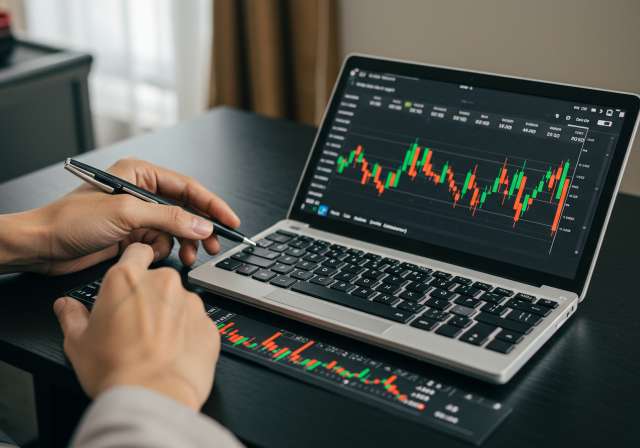
Tag: Trading App

  • Cheapest App to Trade in India: A Comprehensive Guide

    Cheapest App to Trade in India: A Comprehensive Guide

    Looking for the cheapest app to trade in India? Compare brokerage fees, features, and account opening charges of top stock trading apps. Start investing wisely

    Looking for the cheapest app to trade in india? Compare brokerage fees, features, and account opening charges of top stock trading apps. Start investing wisely today!

    Cheapest App to Trade in India: A Comprehensive Guide

    Introduction: Navigating the Indian Stock Market Landscape

    The Indian stock market is booming, with millions of new investors joining the fray every year. Thanks to technology, accessing the equity markets is easier than ever before. A plethora of trading apps now offer a seamless and convenient way to buy and sell stocks, mutual funds, and other investment instruments from the comfort of your own home. However, with so many options available, choosing the right trading app can be a daunting task, especially when considering the cost. Understanding the various fees and charges associated with trading is crucial for maximizing your investment returns. This guide delves into the world of trading apps in India, focusing on identifying the platforms that offer the most competitive pricing and best value for your money.

    Understanding Brokerage Fees: A Key Consideration

    Brokerage fees are the charges levied by a broker for executing trades on your behalf. These fees can significantly impact your profitability, especially if you are a frequent trader. Traditionally, brokers charged a percentage of the transaction value as brokerage. However, with the rise of discount brokers, a new model has emerged – flat-fee brokerage.

    • Percentage-Based Brokerage: In this model, the brokerage fee is a percentage of the total value of the trade. For example, a broker might charge 0.1% of the transaction value. This model was more common with traditional full-service brokers who offered research and advisory services along with execution.
    • Flat-Fee Brokerage: This model charges a fixed fee per trade, regardless of the transaction value. For example, a broker might charge ₹20 per trade. This model is generally more cost-effective for high-value trades.

    Factors Affecting Brokerage Charges

    Several factors influence the brokerage charges levied by a trading app:

    • Type of Broker: Full-service brokers typically charge higher brokerage fees than discount brokers due to the additional services they offer, such as research reports, advisory services, and dedicated relationship managers.
    • Trading Segment: Brokerage charges can vary depending on the trading segment, such as equity, derivatives (futures and options), currency, and commodities.
    • Trading Volume: Some brokers offer lower brokerage rates to traders with high trading volumes.
    • Account Type: Different account types may have different brokerage structures. For example, a basic account may have higher brokerage charges than a premium account.

    Top Trading Apps in India and Their Brokerage Charges

    Here’s a comparison of some of the most popular trading apps in India and their respective brokerage charges:

    • Zerodha: Zerodha is one of the leading discount brokers in India, known for its low brokerage fees and user-friendly platform. It charges a flat fee of ₹20 per executed order or 0.03% (whichever is lower) for intraday and delivery trades in equity, futures, and options. Investing in equity delivery is free.
    • Upstox: Upstox is another popular discount broker that offers a flat fee of ₹20 per order for intraday, futures, and options trades. Delivery trades in equity are free.
    • Groww: Groww is a user-friendly app that focuses on simplicity and ease of use. It offers free equity delivery trading and charges a flat fee of ₹20 per order for intraday and F&O trades. Groww also offers direct mutual fund investments without any commission.
    • Angel One: Angel One is a full-service broker that has also embraced the discount brokerage model. While they offer a flat fee of ₹20 per order for intraday, futures, and options trades, their brokerage for delivery trades can vary depending on the plan chosen.
    • 5paisa: 5paisa offers a unique pricing structure with a flat fee of ₹20 per order across all segments.

    It’s important to note that brokerage charges are just one aspect to consider when choosing a trading app. Other factors, such as platform features, research tools, customer support, and account opening charges, should also be taken into account.

    Beyond Brokerage: Other Fees to Consider

    While brokerage fees are a significant component of trading costs, other fees can also add up and impact your overall profitability. These fees include:

    • Account Opening Charges: Some brokers charge a one-time fee for opening a trading account. These charges can range from ₹0 to ₹500 or more.
    • Account Maintenance Charges (AMC): Many brokers charge an annual fee for maintaining your trading account. AMC can range from ₹0 to ₹500 or more per year.
    • Transaction Charges: These charges are levied by the exchanges (NSE and BSE) and clearing corporations for facilitating trading. Transaction charges are usually a small percentage of the transaction value.
    • SEBI Turnover Fees: SEBI (Securities and Exchange Board of India) charges a small fee on the turnover of trades.
    • Stamp Duty: Stamp duty is levied by the state government on the transfer of securities.
    • GST: Goods and Services Tax (GST) is applicable on brokerage fees and other services provided by the broker.

    Always read the fine print and understand all the fees associated with a trading app before opening an account.

    Hidden Charges: Beware of the Fine Print

    Some trading apps may have hidden charges that are not immediately apparent. These charges can include:

    • Call and Trade Charges: Some brokers charge extra for placing orders over the phone.
    • Demat Account Charges: If you hold shares in dematerialized form, you will need a Demat account. Your broker might charge for maintaining your Demat account.
    • Fund Transfer Charges: Some brokers may charge fees for transferring funds to and from your trading account.
    • Software Usage Charges: Some brokers may charge a fee for using their trading platform or software.

    It is crucial to carefully review the terms and conditions of the trading app to identify any hidden charges.

    How to Choose the Right Trading App for You

    Choosing the right trading app depends on your individual needs and preferences. Here are some factors to consider:

    • Trading Style: If you are a frequent trader, low brokerage fees are essential. If you are a long-term investor, you may be willing to pay slightly higher brokerage fees for access to research and advisory services.
    • Investment Goals: Consider your investment goals and choose a trading app that offers the instruments and features that align with your goals. For example, if you want to invest in mutual funds, choose an app that offers a wide range of direct mutual funds. If you want to trade in derivatives, choose an app that offers robust charting tools and options chain analysis.
    • Platform Features: Evaluate the features offered by the trading app, such as charting tools, technical indicators, news feeds, and research reports. Choose an app that provides the tools you need to make informed trading decisions.
    • User Interface: The trading app should be user-friendly and easy to navigate. A clean and intuitive interface can make trading a more enjoyable and efficient experience.
    • Customer Support: Choose an app that offers reliable customer support through multiple channels, such as phone, email, and chat.
    • Security: Ensure that the trading app is secure and protects your personal and financial information. Look for apps that use encryption and two-factor authentication.
    • Brokerage Charges: Compare the brokerage charges of different trading apps and choose the one that offers the most competitive pricing for your trading style.
    • Reviews and Ratings: Read reviews and ratings of different trading apps before making a decision. This can provide valuable insights into the experiences of other users.

    The Role of Discount Brokers in Reducing Trading Costs

    Discount brokers have revolutionized the Indian stock market by offering significantly lower brokerage fees compared to traditional full-service brokers. They have made trading more accessible and affordable for a wider range of investors. Discount brokers typically offer a flat-fee brokerage model, which can be particularly advantageous for frequent traders and those who trade in larger volumes. However, it’s important to note that discount brokers typically do not offer the same level of research and advisory services as full-service brokers.

    For investors who are comfortable conducting their own research and making their own investment decisions, discount brokers can be a cost-effective option. However, investors who require research and advisory services may prefer to work with a full-service broker, even if it means paying higher brokerage fees.

    Investing in Mutual Funds Through Trading Apps

    Many trading apps now offer the option to invest in mutual funds directly, without the need for a separate Demat account. This can be a convenient and cost-effective way to diversify your portfolio and achieve your financial goals. When investing in mutual funds through a trading app, you can choose from a wide range of schemes, including equity funds, debt funds, and hybrid funds.

    Most trading apps offer both regular and direct plans of mutual funds. Direct plans have lower expense ratios than regular plans because they do not involve any commission payments to distributors. As a result, direct plans can generate higher returns over the long term.

    Before investing in mutual funds, it’s important to understand your risk tolerance and investment horizon. You should also carefully research the fund’s performance, expense ratio, and investment objective. Trading apps often provide tools and resources to help you analyze mutual funds and make informed investment decisions.

    SIPs and ELSS: Tax-Saving Investment Options

    Systematic Investment Plans (SIPs) are a popular way to invest in mutual funds regularly. SIPs allow you to invest a fixed amount of money at regular intervals, such as monthly or quarterly. This can help you to average out your investment costs over time and reduce the impact of market volatility. Trading apps make it easy to set up and manage SIPs.

    Equity Linked Savings Schemes (ELSS) are a type of mutual fund that offers tax benefits under Section 80C of the Income Tax Act. Investments in ELSS are eligible for a deduction of up to ₹1.5 lakh per year. ELSS funds have a lock-in period of three years, which is the shortest among all tax-saving investment options. Trading apps provide access to a variety of ELSS funds.

    PPF and NPS: Long-Term Retirement Planning

    While trading apps primarily focus on equity and mutual fund investments, it’s important to consider other long-term savings and investment options for retirement planning. Public Provident Fund (PPF) and National Pension System (NPS) are two popular options for building a retirement corpus.

    PPF is a government-backed savings scheme that offers guaranteed returns and tax benefits. The interest earned on PPF is tax-free, and the maturity amount is also tax-free. The current interest rate on PPF is 7.1% per annum.

    NPS is a market-linked retirement savings scheme that allows you to invest in a mix of equity, debt, and government securities. NPS offers tax benefits under Section 80C and Section 80CCD(1B) of the Income Tax Act. The returns on NPS are market-linked and can vary depending on the performance of the underlying investments.

    While PPF and NPS may not be directly accessible through all trading apps, it’s important to consider them as part of your overall financial planning strategy.

    Conclusion: Making an Informed Decision

    Choosing the right trading app is a crucial step in your investment journey. By understanding the various fees and charges associated with trading, comparing the features and benefits of different apps, and considering your individual needs and preferences, you can make an informed decision that will help you achieve your financial goals. Remember to prioritize security, user-friendliness, and reliable customer support. With the right trading app, you can confidently navigate the Indian stock market and build a prosperous financial future. Always conduct thorough research and consult with a financial advisor before making any investment decisions. While looking for the cheapest app to trade in india, remember that cost is not the only determining factor.


  • Best Stocks App: Invest Smart in the Indian Market

    Best Stocks App: Invest Smart in the Indian Market

    Ready to dive into the Indian stock market? Discover the best stocks app for smart investing! Compare platforms, track performance, and manage your portfolio wi

    Ready to dive into the Indian stock market? Discover the best stocks app for smart investing! Compare platforms, track performance, and manage your portfolio with ease. Start your investment journey today! Learn about demat accounts, IPOs, and expert tips for successful trading. Secure your financial future now!

    Best Stocks App: Invest Smart in the Indian Market

    Introduction: Navigating the Indian Equity Landscape

    The Indian stock market, with its vibrant ecosystem of companies listed on the National Stock Exchange (NSE) and the Bombay Stock Exchange (BSE), offers immense opportunities for wealth creation. However, navigating this landscape can seem daunting, especially for beginners. This is where a reliable and user-friendly platform becomes essential. Gone are the days of relying solely on brokers and physical paperwork. Today, technology has revolutionized the way we invest, making stock trading accessible to everyone with just a smartphone and an internet connection.

    The rise of fintech has ushered in a new era of investing in India, with various applications offering seamless access to the equity market. These apps cater to both seasoned traders and novice investors, providing real-time data, analytical tools, and educational resources. Selecting the right platform is a critical decision, one that can significantly impact your investment experience and returns.

    Key Features to Look for in a Stocks App

    Before downloading just any app, it’s crucial to understand the core functionalities that make a particular application a valuable tool for investing. Here’s a breakdown of the key features you should consider:

    1. User-Friendly Interface

    A clean and intuitive interface is paramount. The app should be easy to navigate, even for first-time users. Look for features like:

    • Easy Account Setup: A streamlined onboarding process that allows you to create an account quickly and efficiently.
    • Intuitive Navigation: Clear menus and search functionality to easily find the information you need.
    • Customizable Dashboards: The ability to personalize your dashboard to display the stocks, indices, and news that are most relevant to you.

    2. Real-Time Data and Analytics

    Access to accurate and up-to-date information is vital for making informed investment decisions. The app should provide:

    • Live Stock Quotes: Real-time price updates for all listed stocks on the NSE and BSE.
    • Historical Data: Access to historical price charts and financial data to analyze trends and patterns.
    • Technical Indicators: A range of technical indicators, such as moving averages, RSI, and MACD, to help you identify potential buy and sell signals.
    • Fundamental Analysis Tools: Access to financial statements, key ratios, and company news to evaluate the underlying health of a company.

    3. Trading and Order Placement

    The app should offer a seamless and efficient trading experience, allowing you to:

    • Place Orders Quickly: Easy order placement with various order types (market, limit, stop-loss).
    • Manage Your Portfolio: View your portfolio holdings, track performance, and manage your investments.
    • Set Price Alerts: Receive notifications when stocks reach your desired price levels.

    4. Research and Education

    For beginners, educational resources are essential. The app should offer:

    • Market News and Analysis: Up-to-date news, articles, and expert analysis on the Indian stock market.
    • Educational Resources: Tutorials, webinars, and articles on various investment topics, such as fundamental analysis, technical analysis, and risk management.
    • Company Information: Detailed information about listed companies, including financials, news, and analyst ratings.

    5. Security and Reliability

    Security is paramount when it comes to your investments. The app should have:

    • Secure Encryption: Robust security measures to protect your data and transactions.
    • Two-Factor Authentication: An extra layer of security to prevent unauthorized access to your account.
    • Reliable Performance: A stable and reliable platform that can handle high trading volumes.

    6. Fees and Charges

    Understanding the fees associated with using the app is crucial. Consider:

    • Brokerage Fees: The commission charged per trade. Compare brokerage fees across different platforms.
    • Account Maintenance Charges: Any recurring fees for maintaining your account.
    • Other Charges: Be aware of any other charges, such as demat account fees, transaction charges, and taxes.

    Top Stocks Apps in India: A Comparative Overview

    While it’s impossible to recommend one single “best” stocks app for everyone, here are some of the popular and highly-rated platforms available in India, along with their key features and considerations:

    • Zerodha Kite: Known for its low brokerage fees and user-friendly interface. Offers a wide range of features, including advanced charting tools and direct mutual fund investments. Suitable for both beginners and experienced traders.
    • Upstox: Another popular discount broker with a user-friendly mobile app. Offers a streamlined trading experience and a range of analytical tools.
    • Groww: A user-friendly app that simplifies investing in stocks and mutual funds. Offers a clean interface and easy-to-understand educational resources. Good for beginners.
    • Angel One: A full-service broker with a comprehensive mobile app. Offers research reports, personalized advisory services, and a range of trading options.
    • ICICI Direct: The mobile app of ICICI Securities. A full-service broker offering a wide range of investment products, including stocks, mutual funds, IPOs, and bonds. Provides research reports and personalized advisory services.
    • HDFC Securities: Similar to ICICI Direct, this is the mobile app of HDFC Securities and provides a comprehensive range of investment and trading facilities along with research reports.

    This list isn’t exhaustive, and it’s crucial to do your own research and compare different platforms before making a decision. Consider opening a demat account with a broker that aligns with your investment goals and risk tolerance.

    Beyond Equity: Exploring Other Investment Options via Apps

    While investing in stocks is a crucial part of wealth creation, a well-rounded portfolio includes other asset classes as well. Fortunately, many apps now provide access to a range of investment options, including:

    • Mutual Funds: Invest in a diversified portfolio of stocks, bonds, or other assets through mutual funds. Many apps offer SIP (Systematic Investment Plan) options, allowing you to invest a fixed amount regularly.
    • Bonds: Invest in government or corporate bonds for a relatively stable source of income.
    • Initial Public Offerings (IPOs): Apply for IPOs directly through the app and get a chance to invest in newly listed companies.
    • Exchange Traded Funds (ETFs): Invest in a basket of securities that track a specific index or sector.
    • Fixed Deposits (FDs): Some apps partner with banks to offer fixed deposits with competitive interest rates.
    • Public Provident Fund (PPF): Secure a tax-efficient, long-term investment via PPF, offering guaranteed returns.
    • National Pension System (NPS): Plan for retirement with NPS, which is a defined contribution pension scheme, regulated by PFRDA.
    • ELSS (Equity Linked Savings Scheme): Save tax under section 80C of the Income Tax Act and invest in equity markets simultaneously. ELSS comes with a mandatory lock-in period of 3 years.

    The Role of SEBI and Investor Protection

    The Securities and Exchange Board of India (SEBI) is the regulatory body responsible for overseeing the Indian stock market. SEBI’s role is to protect investors, ensure fair market practices, and promote the orderly growth of the securities market. When choosing a platform, ensure that it is registered with SEBI and complies with all regulatory requirements. SEBI also provides various investor education initiatives to help investors make informed decisions. It’s important to be aware of your rights as an investor and to report any grievances or concerns to SEBI.

    Conclusion: Empowering Your Financial Future

    The digital revolution has democratized investing, making it more accessible and convenient than ever before. By choosing the right platform and understanding the nuances of the Indian stock market, you can take control of your financial future and work towards achieving your investment goals. Whether you are a seasoned trader or a beginner, remember to invest responsibly, diversify your portfolio, and stay informed about market trends and developments. And while a great app can be a valuable tool, never forget that successful investing requires patience, discipline, and a long-term perspective. With the right resources and mindset, you can navigate the Indian equity market and build a prosperous financial future.

  • Mastering the Market: Best Technical Analysis Tools in Trading App

    Mastering the Market: Best Technical Analysis Tools in Trading App

    Unlock trading success! Discover the best technical analysis tools in trading app features for Indian investors. Master charts, indicators, & strategies to prof

    Unlock trading success! Discover the best technical analysis tools in trading app features for Indian investors. Master charts, indicators, & strategies to profit in the Indian stock market (NSE/BSE). Maximize returns with informed decisions. Start your journey to financial independence today!

    Mastering the Market: Best Technical Analysis Tools in Trading App

    Introduction: Navigating the Indian Stock Market with Technical Analysis

    The Indian stock market, encompassing the National Stock Exchange (NSE) and the Bombay Stock Exchange (BSE), offers tremendous opportunities for wealth creation. However, success in the equity markets demands more than just luck. It requires a disciplined approach, a thorough understanding of market dynamics, and the strategic application of technical analysis.

    Technical analysis, in essence, is the art and science of interpreting market data, primarily price and volume, to forecast future price movements. It’s a powerful tool in the hands of informed investors, allowing them to identify potential entry and exit points, manage risk effectively, and ultimately, enhance their investment returns. This is especially relevant for the modern Indian investor who increasingly relies on trading apps for their investment activities.

    In today’s fast-paced trading environment, access to sophisticated technical analysis tools through trading apps is no longer a luxury, but a necessity. These apps empower investors to conduct in-depth market research, analyze price patterns, and make informed trading decisions, all from the convenience of their smartphones.

    Why Technical Analysis Matters for Indian Investors

    Before diving into the specific tools, let’s understand why technical analysis is so crucial for Indian investors:

    • Identifying Trends: Technical analysis helps identify prevailing market trends, whether bullish (uptrend), bearish (downtrend), or sideways (consolidation). This allows investors to align their strategies with the overall market direction.
    • Pinpointing Entry and Exit Points: By analyzing price patterns and indicators, technical analysis can help pinpoint optimal entry and exit points for trades, maximizing potential profits and minimizing potential losses.
    • Managing Risk: Technical analysis provides tools for setting stop-loss orders and target prices, enabling investors to manage risk effectively and protect their capital.
    • Gaining an Edge: In a competitive market, technical analysis can provide investors with a crucial edge by allowing them to identify opportunities that others may miss.
    • Complementing Fundamental Analysis: While fundamental analysis focuses on the intrinsic value of a company, technical analysis provides insights into market sentiment and price action, complementing fundamental research and providing a more holistic view.

    For Indian investors who are building wealth through systematic investment plans (SIPs) in mutual funds, understanding basic technical indicators can help time lump-sum investments during market corrections to achieve better returns.

    Essential Technical Analysis Tools in Trading Apps

    Trading apps offer a plethora of technical analysis tools, but some are more essential than others. Here’s a breakdown of some of the most crucial tools for Indian investors:

    1. Chart Types: Visualizing Price Action

    Different chart types present price data in distinct ways, each offering unique insights:

    • Line Charts: The simplest chart type, connecting closing prices over a period. Useful for identifying overall trends.
    • Bar Charts: Show the open, high, low, and close prices for a given period. Provide more comprehensive price information than line charts.
    • Candlestick Charts: Similar to bar charts, but visually represent price movements with colored “bodies” and “wicks”. Green (or white) bodies indicate that the closing price was higher than the opening price, while red (or black) bodies indicate the opposite. Candlestick patterns can reveal important market sentiment and potential trend reversals.
    • Heikin-Ashi Charts: A modified version of candlestick charts that smooth out price data, making it easier to identify trends and potential reversals.

    2. Trendlines: Defining Market Direction

    Trendlines are lines drawn on a chart to connect a series of highs (downtrend) or lows (uptrend). They help to visually identify the direction of the market and can be used to anticipate potential support and resistance levels.

    3. Support and Resistance Levels: Identifying Price Barriers

    Support levels are price levels where buying pressure is strong enough to prevent the price from falling further. Resistance levels are price levels where selling pressure is strong enough to prevent the price from rising further. Identifying these levels can help investors anticipate potential price reversals or breakouts.

    4. Moving Averages (MAs): Smoothing Price Data

    Moving averages are calculated by averaging the price of a security over a specific period. They smooth out price fluctuations and make it easier to identify the underlying trend. Common moving average periods include 50-day, 100-day, and 200-day moving averages.

    • Simple Moving Average (SMA): Calculates the average price over a specified period.
    • Exponential Moving Average (EMA): Gives more weight to recent prices, making it more responsive to current market conditions.

    5. Relative Strength Index (RSI): Measuring Momentum

    The Relative Strength Index (RSI) is a momentum indicator that measures the magnitude of recent price changes to evaluate overbought or oversold conditions in the price of a stock or other asset. Values above 70 generally indicate overbought conditions, while values below 30 generally indicate oversold conditions.

    6. Moving Average Convergence Divergence (MACD): Spotting Trend Changes

    The Moving Average Convergence Divergence (MACD) is a trend-following momentum indicator that shows the relationship between two moving averages of a security’s price. It consists of the MACD line, the signal line, and the histogram. Crossovers between the MACD line and the signal line can indicate potential buy or sell signals. Divergence between the MACD and the price action can also signal potential trend reversals.

    7. Fibonacci Retracements: Identifying Potential Support and Resistance

    Fibonacci retracements are horizontal lines drawn on a chart to indicate potential support and resistance levels based on Fibonacci ratios (23.6%, 38.2%, 50%, 61.8%, and 100%). These ratios are derived from the Fibonacci sequence and are believed to have predictive value in financial markets.

    8. Volume Analysis: Gauging Market Participation

    Volume analysis involves studying the trading volume associated with price movements. High volume during a price increase can confirm the strength of the uptrend, while high volume during a price decrease can confirm the strength of the downtrend. Divergence between price and volume can also signal potential trend reversals.

    Integrating Technical Analysis with Investment Strategies in India

    Technical analysis isn’t a standalone solution; it’s most effective when integrated with a broader investment strategy. Here’s how Indian investors can integrate these tools:

    • Combining with Fundamental Analysis: Use technical analysis to time entries and exits based on fundamental research. If you believe a company is fundamentally strong but its stock price is temporarily depressed, technical analysis can help you identify the best time to buy.
    • Developing a Trading Plan: Create a detailed trading plan that outlines your entry and exit rules, risk management strategies, and position sizing. Technical analysis can provide the basis for these rules.
    • Backtesting and Refining: Backtest your trading strategies using historical data to evaluate their effectiveness. Refine your strategies based on the results of your backtesting.
    • Staying Updated: Continuously learn and adapt to changing market conditions. The Indian stock market is dynamic, and what works today may not work tomorrow. Keep abreast of new technical analysis techniques and strategies.

    For example, an investor saving tax through Equity Linked Savings Schemes (ELSS) funds can use technical analysis to decide when to invest a lump sum rather than using a SIP. Similarly, for those investing in the National Pension System (NPS), understanding market trends can help decide the allocation of funds between equity and debt.

    Choosing the Right Trading App for Technical Analysis

    Selecting the right trading app is crucial for effective technical analysis. Consider the following factors:

    • Availability of Tools: Ensure the app offers a comprehensive suite of technical analysis tools, including charting types, indicators, and drawing tools.
    • User Interface: Choose an app with a user-friendly interface that is easy to navigate and understand.
    • Real-Time Data: The app should provide real-time market data, including price quotes, charts, and news.
    • Customization Options: Look for an app that allows you to customize charts and indicators to suit your individual preferences.
    • Educational Resources: Some apps offer educational resources, such as tutorials and webinars, to help you learn more about technical analysis.
    • Mobile Accessibility: A good trading app should be accessible on both smartphones and tablets, allowing you to trade on the go.

    Conclusion: Empowering Indian Investors with Technical Analysis

    Technical analysis is a powerful tool that can empower Indian investors to make informed trading decisions and achieve their financial goals. By mastering the essential tools and integrating them into a well-defined investment strategy, investors can navigate the complexities of the Indian stock market with confidence and increase their chances of success. Remember to consult with a financial advisor before making any investment decisions. Investing in the stock market carries inherent risks and it is important to invest wisely and responsibly.

  • Unlock the Power of Mobile Trading: Choosing the Right App for You

    Unlock the Power of Mobile Trading: Choosing the Right App for You

    Want to navigate the Indian stock market with ease? Discover the power of mobile trading! Learn how a well-designed nifty app can streamline your investments, o

    Want to navigate the Indian stock market with ease? Discover the power of mobile trading! Learn how a well-designed nifty app can streamline your investments, offering real-time data, portfolio tracking, and secure transactions. Explore the best options for Indian investors today!

    Unlock the Power of Mobile Trading: Choosing the Right App for You

    Introduction: The Rise of Mobile Trading in India

    The Indian stock market landscape has undergone a dramatic transformation in recent years, fueled by increased internet penetration, growing financial literacy, and, crucially, the advent of user-friendly mobile trading applications. Gone are the days of relying solely on brokers or desktop terminals to manage your investments. Today, a powerful trading platform sits conveniently in your pocket, empowering you to monitor the markets, execute trades, and track your portfolio on the go.

    This shift towards mobile trading has opened up investment opportunities to a wider audience, particularly millennials and Gen Z, who are accustomed to managing their lives through their smartphones. Whether you’re a seasoned investor or a novice eager to dip your toes into the world of equity markets, understanding the nuances of mobile trading apps is crucial for making informed decisions and maximizing your investment potential.

    Why Choose a Mobile Trading App? The Benefits Explained

    Mobile trading apps offer a plethora of advantages compared to traditional investment methods. Here’s a breakdown of the key benefits:

    • Convenience and Accessibility: Trade from anywhere, anytime, with just a few taps on your smartphone. Monitor your investments during your commute, lunch break, or even while relaxing at home. This flexibility is invaluable for busy individuals who want to stay connected to the market without being tied to a desktop.
    • Real-Time Market Data: Access live stock prices, charts, and news updates to make informed trading decisions. Stay ahead of the curve with instant notifications and alerts on price movements, market trends, and corporate announcements.
    • Seamless Trading Experience: Execute buy and sell orders quickly and efficiently, often with advanced order types such as limit orders and stop-loss orders. This allows you to manage your risk and potentially enhance your returns.
    • Portfolio Tracking: Monitor the performance of your investments in real-time, tracking your gains and losses, asset allocation, and overall portfolio value. Gain valuable insights into your investment strategy and make adjustments as needed.
    • Reduced Brokerage Costs: Many mobile trading apps offer lower brokerage rates compared to traditional brokerage firms, making it more affordable to trade frequently. Some apps even offer zero-brokerage plans for specific types of trades.
    • Educational Resources: Access a wealth of educational resources, including articles, videos, and webinars, to enhance your understanding of the stock market and improve your investment skills.

    Key Features to Look for in a Trading App

    With numerous trading apps available in the Indian market, choosing the right one can be overwhelming. Here’s a checklist of essential features to consider:

    • User-Friendly Interface: A clean, intuitive interface is crucial for a seamless trading experience. The app should be easy to navigate, even for beginners. Look for features like customizable watchlists, personalized dashboards, and clear order placement screens.
    • Security: Security is paramount when dealing with your finances. Ensure the app uses robust encryption and security measures to protect your personal and financial information. Look for features like two-factor authentication and biometric login.
    • Real-Time Data Feeds: Access to accurate and up-to-date market data is essential for making informed trading decisions. Check if the app provides real-time price quotes, charts, and news updates from reputable sources like the NSE and BSE.
    • Order Types: The app should support a variety of order types, including market orders, limit orders, stop-loss orders, and bracket orders. This allows you to manage your risk and execute trades according to your specific strategy.
    • Charting Tools: Access to comprehensive charting tools is crucial for technical analysis. Look for features like candlestick charts, trendlines, moving averages, and other technical indicators.
    • Research and Analysis: Some apps offer research reports, stock recommendations, and other analytical tools to help you make informed investment decisions. However, remember to conduct your own due diligence before acting on any recommendations.
    • Customer Support: Responsive and reliable customer support is essential in case you encounter any issues or have questions about the app. Check if the app offers multiple channels of support, such as phone, email, and chat.
    • Brokerage Charges: Compare the brokerage charges of different apps to find one that fits your trading frequency and budget. Some apps offer different pricing plans, such as flat-fee plans or percentage-based plans.
    • Account Opening Process: The app should offer a simple and streamlined account opening process, preferably with online KYC verification.

    Beyond Equity Trading: Exploring Other Investment Options

    While many trading apps primarily focus on equity markets, some also offer access to other investment options, such as:

    • Mutual Funds: Invest in a diversified portfolio of stocks and bonds managed by professional fund managers. Explore different types of mutual funds, such as equity funds, debt funds, and hybrid funds. You can often start with SIPs (Systematic Investment Plans) for as little as ₹500 per month.
    • Initial Public Offerings (IPOs): Apply for IPOs directly through the app, allowing you to invest in newly listed companies.
    • Bonds: Invest in government bonds or corporate bonds to generate a fixed income stream.
    • Exchange Traded Funds (ETFs): Invest in a basket of stocks that track a specific index or sector, such as the Nifty 50 or banking sector ETF.
    • Derivatives: Trade in futures and options, which are more complex financial instruments that can be used for hedging or speculation. (Note: Requires a deeper understanding and higher risk tolerance).

    Tax Implications of Mobile Trading

    It’s crucial to understand the tax implications of your trading activities. Capital gains tax applies to profits made from selling stocks or mutual fund units. The tax rate depends on the holding period of the asset.

    • Short-Term Capital Gains (STCG): Applies to assets held for less than 12 months (for equity shares and equity-oriented mutual funds). STCG is taxed at a rate of 15% (plus applicable surcharge and cess).
    • Long-Term Capital Gains (LTCG): Applies to assets held for more than 12 months (for equity shares and equity-oriented mutual funds). LTCG exceeding ₹1 lakh in a financial year is taxed at a rate of 10% (plus applicable surcharge and cess).

    Remember to consult with a qualified tax advisor to understand the specific tax implications of your investment decisions. ELSS (Equity Linked Savings Scheme) mutual funds offer tax benefits under Section 80C of the Income Tax Act, allowing you to save on taxes while investing in equity markets. However, they come with a lock-in period of 3 years.

    Staying Safe: Avoiding Scams and Fraud

    While mobile trading offers numerous benefits, it’s important to be aware of the risks of scams and fraud. Be cautious of unsolicited investment advice, unrealistic promises of high returns, and phishing attempts. Always use strong passwords and enable two-factor authentication to protect your account. Never share your personal or financial information with untrusted sources. Verify the legitimacy of any investment opportunity before investing your money.

    Tips for Safe Mobile Trading

    • Use a strong and unique password for your trading account.
    • Enable two-factor authentication for added security.
    • Be wary of unsolicited investment advice.
    • Do not click on suspicious links or download attachments from untrusted sources.
    • Regularly monitor your account for unauthorized activity.
    • Report any suspicious activity to your broker immediately.

    Conclusion: Empowering Your Financial Future with Mobile Trading

    Mobile trading apps have revolutionized the Indian investment landscape, providing convenient access to the stock market and other investment options. By carefully evaluating your needs, researching different apps, and understanding the associated risks, you can leverage the power of mobile trading to achieve your financial goals. Remember to stay informed, invest responsibly, and seek professional advice when needed. The ability to manage your investments through a well-designed app puts financial control directly in your hands, empowering you to build a secure and prosperous future. Consider exploring different platforms to find the one that best suits your needs and investment style, and remember that responsible investing is key to long-term financial success. Investing in instruments like PPF (Public Provident Fund) and NPS (National Pension System) can also be easily tracked on many of these platforms, making them a comprehensive financial management tool.

  • Sensex Apps: Your Gateway to Mastering the Indian Stock Market

    Sensex Apps: Your Gateway to Mastering the Indian Stock Market

    Track the Indian stock market with ease! Discover the best Sensex apps to monitor BSE Sensex, Nifty 50, and your investments. Get real-time updates, personalize

    Track the Indian stock market with ease! Discover the best Sensex apps to monitor BSE Sensex, Nifty 50, and your investments. Get real-time updates, personalized alerts, and expert analysis. Start maximizing your portfolio today!

    Sensex Apps: Your Gateway to Mastering the Indian Stock Market

    Introduction: Navigating the Volatile World of Indian Equities

    The Indian stock market, with its dynamic fluctuations and potential for high returns, presents both opportunities and challenges for investors. Keeping a close watch on market movements, especially the performance of key indices like the BSE Sensex and Nifty 50, is crucial for making informed investment decisions. Whether you’re a seasoned trader or a beginner dipping your toes into the world of equities, having access to real-time market data, insightful analysis, and convenient trading tools is essential. This is where mobile applications designed specifically for tracking the Sensex and managing investments come into play.

    In today’s fast-paced world, relying solely on traditional news sources or desktop-based platforms is no longer sufficient. Investors need instant access to market information on their smartphones and tablets, allowing them to react quickly to changing market conditions and capitalize on emerging opportunities. A well-designed app can provide real-time updates, personalized alerts, comprehensive charting tools, and seamless trading capabilities, empowering investors to stay ahead of the curve.

    Why You Need a Dedicated sensex app

    Investing in the Indian stock market requires constant vigilance and a deep understanding of market dynamics. A dedicated app offers numerous advantages over traditional methods, including:

    • Real-time Market Data: Access live prices, intraday charts, and historical data for the Sensex, Nifty 50, and other key indices.
    • Personalized Alerts: Set custom alerts for price movements, news events, and other market developments that are relevant to your portfolio.
    • Comprehensive Analysis: Access expert opinions, technical analysis reports, and fundamental research to make informed investment decisions.
    • Seamless Trading: Execute trades directly from the app, eliminating the need to switch between multiple platforms.
    • Portfolio Tracking: Monitor the performance of your investments in real-time, track your gains and losses, and manage your asset allocation.
    • News and Updates: Stay informed about the latest market news, corporate announcements, and regulatory changes that could impact your investments.

    Key Features to Look for in a Sensex App

    With numerous apps available in the market, choosing the right one can be a daunting task. Here are some key features to consider when selecting a Sensex app:

    • Real-time Data Accuracy: Ensure that the app provides accurate and up-to-date market data from reputable sources like the NSE and BSE.
    • User-Friendly Interface: Opt for an app with a clean, intuitive interface that is easy to navigate, even for beginners.
    • Customization Options: Look for an app that allows you to personalize your watchlists, set custom alerts, and tailor the app’s settings to your preferences.
    • Advanced Charting Tools: Access a wide range of charting tools, including technical indicators, drawing tools, and historical data, to analyze market trends.
    • Brokerage Integration: If you plan to trade directly from the app, ensure that it integrates seamlessly with your preferred brokerage account.
    • Security Features: Prioritize apps that offer robust security features, such as two-factor authentication and data encryption, to protect your financial information.
    • Customer Support: Choose an app with responsive customer support channels, such as email, phone, or live chat, in case you encounter any issues.

    Popular Sensex Apps in India

    Several excellent apps cater to the needs of Indian investors. Here are some of the most popular options:

    • Zerodha Kite: A popular choice among millennial investors, Zerodha Kite offers a clean interface, advanced charting tools, and seamless trading capabilities. It’s known for its low brokerage fees and wide range of investment options, including equities, derivatives, and mutual funds.
    • Upstox Pro: Another leading discount broker, Upstox Pro, provides a user-friendly platform for trading equities, derivatives, and commodities. It offers real-time market data, advanced charting tools, and a range of order types to suit different trading strategies.
    • Groww: Groww is a popular app for investing in mutual funds and stocks. It offers a simple and intuitive interface, making it easy for beginners to get started. Groww also provides educational resources and expert insights to help investors make informed decisions.
    • Angel Broking App: A full-service brokerage, Angel Broking offers a comprehensive app that provides access to a wide range of investment products, including equities, derivatives, mutual funds, and IPOs. The app also offers research reports, personalized recommendations, and access to a dedicated relationship manager.
    • 5paisa Mobile App: 5paisa is another discount broker that offers a user-friendly mobile app for trading equities, derivatives, and mutual funds. It offers a flat fee brokerage structure, making it an attractive option for active traders.
    • HDFC Securities Mobile Trading App: HDFC Securities, a leading full-service brokerage, offers a robust mobile trading app that provides access to a wide range of investment products and services. The app offers real-time market data, research reports, and personalized recommendations.

    Beyond Sensex Tracking: Expanding Your Investment Horizon

    While tracking the Sensex is a crucial part of investing in the Indian stock market, it’s important to remember that it’s just one piece of the puzzle. A comprehensive investment strategy should also include diversification across different asset classes, such as mutual funds, fixed income instruments, and real estate. Many of these apps offer access to a wider array of investment options.

    Mutual Funds: Diversifying Your Portfolio

    Mutual funds are a popular investment option for those looking to diversify their portfolio without having to actively manage individual stocks. These funds pool money from multiple investors and invest in a diversified portfolio of stocks, bonds, or other assets. You can invest in mutual funds through Systematic Investment Plans (SIPs), which allow you to invest a fixed amount regularly, or through lump-sum investments.

    Several types of mutual funds are available in India, including:

    • Equity Funds: Invest primarily in stocks and are suitable for investors with a higher risk tolerance and a long-term investment horizon.
    • Debt Funds: Invest primarily in bonds and other fixed-income instruments and are suitable for investors seeking lower risk and stable returns.
    • Hybrid Funds: Invest in a combination of stocks and bonds and are suitable for investors seeking a balance between risk and return.
    • ELSS Funds: Equity Linked Savings Schemes (ELSS) are tax-saving mutual funds that offer tax benefits under Section 80C of the Income Tax Act.

    Fixed Income Instruments: Adding Stability to Your Portfolio

    Fixed income instruments, such as Public Provident Fund (PPF), National Pension System (NPS), and corporate bonds, provide a stable source of income and can help to reduce the overall volatility of your portfolio. These instruments typically offer fixed interest rates and are considered to be relatively low-risk investments.

    • PPF: A popular long-term savings scheme that offers tax benefits and attractive interest rates.
    • NPS: A retirement savings scheme that allows you to invest in a mix of stocks, bonds, and other assets.
    • Corporate Bonds: Debt securities issued by companies to raise capital.

    The Importance of Financial Literacy

    Investing in the stock market requires a solid understanding of financial concepts and market dynamics. Before you start investing, it’s essential to educate yourself about the different investment options, risk management strategies, and financial planning principles. Many resources are available to help you improve your financial literacy, including online courses, books, and seminars. Remember to consult with a financial advisor to get personalized advice based on your individual circumstances and investment goals. Choosing the right Sensex app is a great starting point, but it’s crucial to complement its use with knowledge and a well-defined strategy.

  • Unlock Futures Trading: A Guide to Finding the Best App in India

    Unlock Futures Trading: A Guide to Finding the Best App in India

    Unleash your trading potential with the best futures trading app in India. Learn about futures, how they work, and how to choose the right app for your needs. S

    Unleash your trading potential with the best futures trading app in India. Learn about futures, how they work, and how to choose the right app for your needs. Start trading futures today!

    Unlock Futures Trading: A Guide to Finding the Best App in India

    Introduction: Navigating the World of Futures Trading

    The Indian financial market offers a plethora of investment opportunities, ranging from the traditional equity markets to the more sophisticated world of derivatives. Among these derivatives, futures contracts stand out as a powerful tool for hedging, speculation, and leveraging market movements. However, successfully navigating the futures market requires access to reliable information, real-time data, and a user-friendly trading platform. This is where a dedicated futures trading app comes into play, offering Indian investors a convenient and efficient way to participate in this dynamic segment.

    Before we delve into the specifics of selecting the ideal app, let’s first establish a solid understanding of futures trading itself.

    Understanding Futures Contracts: A Primer for Indian Investors

    A futures contract is essentially an agreement to buy or sell an asset at a predetermined price and date in the future. These assets can range from agricultural commodities like wheat and cotton to precious metals like gold and silver, energy resources like crude oil and natural gas, and even financial instruments like stock indices and currencies. Key features of futures contracts include:

    • Standardization: Futures contracts are standardized in terms of quantity, quality, and delivery location, facilitating efficient trading on exchanges like the Multi Commodity Exchange (MCX) and the National Stock Exchange (NSE).
    • Leverage: Futures trading involves margin requirements, allowing traders to control a larger position with a relatively smaller initial investment. This leverage can amplify both profits and losses, making risk management crucial.
    • Mark-to-Market: Futures positions are marked-to-market daily, meaning that profits or losses are credited or debited from the trader’s account at the end of each trading day.
    • Expiration Date: Each futures contract has an expiration date. Traders must either close their positions before this date or take delivery of the underlying asset (which is more common for commodity futures).

    In India, futures contracts are available on a wide range of assets, providing ample opportunities for investors to diversify their portfolios and manage risk. For example, an Indian farmer might use futures contracts to lock in a price for their upcoming harvest, mitigating the risk of price fluctuations in the market.

    Why Use a Futures Trading App? Convenience and Control at Your Fingertips

    Gone are the days of relying solely on desktop-based trading platforms. Today, a robust futures trading app offers unparalleled convenience and control, allowing Indian investors to:

    • Trade on the Go: Monitor market movements and execute trades from anywhere with an internet connection.
    • Access Real-Time Data: Stay updated with live quotes, charts, and market news, enabling informed decision-making.
    • Manage Risk Effectively: Set stop-loss orders and take-profit levels to protect your capital.
    • Track Your Portfolio: Monitor your positions, track your performance, and analyze your trading history.
    • Receive Alerts and Notifications: Stay informed about price movements, order executions, and margin calls.

    Key Features to Look for in a Futures Trading App

    With numerous apps vying for your attention, choosing the right futures trading app can feel overwhelming. Here’s a checklist of essential features to consider:

    1. User-Friendly Interface

    The app should be intuitive and easy to navigate, even for beginners. Clear charts, easily accessible order placement screens, and a well-organized portfolio view are crucial.

    2. Real-Time Data and Analytics

    Access to accurate and up-to-date market data is non-negotiable. Look for apps that provide real-time price quotes, candlestick charts, technical indicators, and news feeds.

    3. Order Types and Execution Speed

    The app should support a variety of order types, including market orders, limit orders, stop-loss orders, and bracket orders. Fast and reliable order execution is essential to minimize slippage and maximize profits.

    4. Security and Reliability

    Your trading app should be secure and reliable, protecting your personal and financial information. Look for apps that employ strong encryption and multi-factor authentication.

    5. Brokerage Fees and Margin Requirements

    Compare brokerage fees and margin requirements across different apps. Lower fees can significantly impact your profitability, especially for frequent traders. Remember, leverage is a double-edged sword, so understand the margin requirements thoroughly before placing any trades.

    6. Customer Support

    Reliable customer support is essential in case you encounter any issues. Look for apps that offer multiple channels of support, such as phone, email, and live chat.

    7. Educational Resources

    A good app should provide educational resources to help you learn more about futures trading. These resources may include tutorials, articles, webinars, and demo accounts.

    Popular Futures Trading Apps in India: A Comparative Overview

    While specific recommendations are subject to individual preferences and due diligence, several popular platforms cater to Indian futures traders. These are generally offered by established brokerage firms regulated by SEBI. When choosing, remember to thoroughly research each platform and compare them based on your individual needs and risk tolerance. Here are some considerations:

    • Zerodha Kite: Known for its user-friendly interface and low brokerage fees.
    • Upstox Pro: Offers a range of trading tools and features, including advanced charting and analysis.
    • Angel One: Provides a comprehensive trading platform with access to various asset classes.
    • Groww: A popular platform known for its simplicity and ease of use.
    • 5paisa: Offers a discounted brokerage model and a range of trading tools.

    Important Note: Always verify the credentials and SEBI registration of any brokerage firm before opening an account. Exercise caution and avoid platforms that promise guaranteed returns or offer unrealistic profits.

    Risk Management in Futures Trading: Protecting Your Capital

    Futures trading involves significant risk. Leverage can amplify both profits and losses, making it essential to implement a robust risk management strategy. Here are some key risk management techniques:

    • Stop-Loss Orders: Set stop-loss orders to limit your potential losses on a trade.
    • Position Sizing: Determine the appropriate position size based on your risk tolerance and account balance. Avoid over-leveraging your account.
    • Diversification: Diversify your portfolio across different asset classes and futures contracts.
    • Hedging: Use futures contracts to hedge against price fluctuations in your existing portfolio.
    • Emotional Control: Avoid making impulsive decisions based on fear or greed. Stick to your trading plan and manage your emotions effectively.

    Remember that even with the best risk management strategies, losses are inevitable in trading. The key is to manage your risk effectively and consistently over time.

    Beyond Futures: Exploring Other Investment Options in India

    While futures trading can be a rewarding experience, it’s crucial to maintain a well-diversified investment portfolio. Consider exploring other investment options available in India, such as:

    • Equity Markets: Invest in stocks of publicly listed companies on the NSE and BSE.
    • Mutual Funds: Invest in diversified portfolios managed by professional fund managers. Consider both equity mutual funds and debt mutual funds.
    • Systematic Investment Plans (SIPs): Invest a fixed amount regularly in mutual funds to benefit from rupee cost averaging.
    • Equity Linked Savings Schemes (ELSS): Tax-saving mutual funds that invest primarily in equities.
    • Public Provident Fund (PPF): A government-backed savings scheme that offers tax benefits and guaranteed returns.
    • National Pension System (NPS): A retirement savings scheme that allows you to invest in a mix of equities, debt, and government securities.
    • Fixed Deposits (FDs): A low-risk investment option that offers a fixed interest rate for a specified period.
    • Sovereign Gold Bonds (SGBs): Government-issued bonds that are linked to the price of gold.

    A diversified portfolio can help mitigate risk and enhance your overall returns over the long term. Consult with a qualified financial advisor to determine the investment options that are best suited to your individual needs and goals.

    Conclusion: Empowering Your Futures Trading Journey

    The world of futures trading offers exciting opportunities for Indian investors seeking to capitalize on market movements. By understanding the fundamentals of futures contracts, choosing the right futures trading app, and implementing a robust risk management strategy, you can embark on a rewarding and potentially profitable trading journey. Remember to stay informed, continuously learn, and adapt your trading strategies to the evolving market conditions. Trading with a reputable and SEBI-registered broker via their mobile trading app can provide a robust and streamlined experience. And most importantly, always prioritize responsible trading practices and invest only what you can afford to lose.

  • Best Commodity Trading Apps: A Beginner’s Guide for Indian Investors

    Best Commodity Trading Apps: A Beginner’s Guide for Indian Investors

    Unlock the world of commodity trading with the best trading apps! Explore features, benefits, and risks of trading gold, silver, crude oil and more. Find the pe

    Unlock the world of commodity trading with the best trading apps! Explore features, benefits, and risks of trading gold, silver, crude oil and more. Find the perfect commodity trading app to diversify your investment portfolio & grow your wealth. Start trading now!

    Best Commodity Trading Apps: A Beginner’s Guide for Indian Investors

    Introduction: Demystifying Commodity Trading for the Indian Investor

    For years, the Indian stock market has been the go-to destination for investors looking to grow their wealth. Instruments like equity shares, mutual funds, and government bonds have dominated the investment landscape. However, a growing number of Indians are now exploring the exciting world of commodity trading. Commodities, ranging from precious metals like gold and silver to essential energy resources like crude oil, offer diversification opportunities and a hedge against inflation.

    But diving into the complexities of commodity trading can seem daunting. That’s where technology comes in. The rise of sophisticated trading platforms, particularly mobile apps, has made accessing commodity markets easier than ever before. These apps provide real-time price updates, charting tools, and a seamless trading experience, all at your fingertips. This article serves as a comprehensive guide for Indian investors interested in navigating the world of commodity trading through the power of mobile applications.

    Understanding the Indian Commodity Market

    Before we delve into the features of various trading apps, let’s briefly understand the structure of the Indian commodity market. The Multi Commodity Exchange (MCX) is the leading commodity exchange in India, regulated by the Securities and Exchange Board of India (SEBI). MCX offers a wide range of commodity futures contracts, including:

    • Precious Metals: Gold, Silver
    • Base Metals: Copper, Zinc, Lead, Aluminium, Nickel
    • Energy: Crude Oil, Natural Gas
    • Agri Commodities: Cotton, Mentha Oil, Cardamom

    Trading on MCX involves buying and selling these futures contracts. A futures contract is an agreement to buy or sell a specific commodity at a predetermined price and date in the future. Understanding these contracts is crucial for successful commodity trading. SEBI’s regulatory oversight ensures transparency and investor protection in the commodity market.

    Why Use a Commodity Trading App? Benefits Unveiled

    The shift from traditional brokerage houses to online trading platforms, and subsequently to mobile apps, offers significant advantages for the modern Indian investor. Here are some key benefits of using a commodity trading app:

    • Accessibility: Trade from anywhere, anytime, using your smartphone. No need to be tied to a desktop computer.
    • Real-Time Data: Get instant access to live prices, charts, and market news. This is crucial for making informed trading decisions.
    • Ease of Use: Most commodity trading apps are designed with user-friendly interfaces, making them accessible even to beginners.
    • Cost-Effectiveness: Brokerage fees associated with online trading are often lower than traditional brokerage services.
    • Advanced Tools: Many apps offer charting tools, technical indicators, and order types (like stop-loss and limit orders) to help you manage your risk and execute your trading strategies.
    • Account Management: Easily manage your trading account, view your portfolio, and track your profits and losses directly from the app.

    Key Features to Look For in a Commodity Trading App

    Choosing the right commodity trading app is crucial for a successful and secure trading experience. Consider these essential features when selecting an app:

    • User Interface: The app should be intuitive and easy to navigate, even for beginners. A clean and well-organized interface can significantly improve your trading efficiency.
    • Real-Time Data & Charts: Accurate and up-to-date price data and charting tools are essential for technical analysis and informed decision-making. Look for apps that offer a variety of chart types and technical indicators.
    • Order Types: Ensure the app supports different order types, such as market orders, limit orders, stop-loss orders, and bracket orders. These order types allow you to control your risk and automate your trading strategies.
    • Brokerage Fees & Charges: Compare the brokerage fees and other charges associated with different apps. Look for transparent pricing and avoid apps with hidden fees.
    • Security: Security is paramount. Ensure the app uses strong encryption and security measures to protect your personal and financial information. Look for features like two-factor authentication.
    • Customer Support: Reliable customer support is crucial in case you encounter any issues or have questions. Check if the app offers support through phone, email, or chat.
    • Research & Analysis: Some apps provide research reports, news updates, and expert analysis to help you make informed trading decisions.
    • Demo Account: A demo account allows you to practice trading without risking real money. This is a great way to familiarize yourself with the app and test your trading strategies.

    Popular Commodity Trading Apps in India

    Several commodity trading apps are available in India, each with its own strengths and weaknesses. Here are a few popular options:

    • Zerodha Kite: A popular discount brokerage platform offering commodity trading along with equity and other asset classes.
    • Upstox: Another leading discount broker with a user-friendly interface and competitive brokerage rates for commodity trading.
    • Angel One (formerly Angel Broking): A full-service broker offering commodity trading, research reports, and personalized advisory services.
    • Groww: Known for its simplicity and user-friendly design, Groww also offers commodity trading through its platform.
    • 5paisa: A discount broker providing low-cost commodity trading with a range of features.

    Disclaimer: This is not an exhaustive list, and the suitability of each app depends on your individual needs and preferences. It is essential to research and compare different apps before making a decision.

    The Risks of Commodity Trading and How to Mitigate Them

    Commodity trading can be highly rewarding, but it also involves significant risks. It is crucial to understand these risks and implement strategies to mitigate them:

    • Volatility: Commodity prices can be highly volatile, influenced by factors like global events, supply and demand fluctuations, and geopolitical risks.
    • Leverage: Commodity trading typically involves leverage, which magnifies both profits and losses. While leverage can increase your potential returns, it can also lead to substantial losses if the market moves against you.
    • Market Risk: Commodity prices are influenced by a wide range of factors, including economic conditions, weather patterns, and political events. It is essential to stay informed about these factors and understand how they can impact your trades.
    • Liquidity Risk: Some commodity contracts may have low liquidity, making it difficult to buy or sell them quickly at a desired price.

    Here are some tips for mitigating the risks of commodity trading:

    • Educate Yourself: Thoroughly understand the fundamentals of commodity trading, including the different types of commodities, the factors that influence their prices, and the risks involved.
    • Start Small: Begin with small positions and gradually increase your trading size as you gain experience and confidence.
    • Use Stop-Loss Orders: Always use stop-loss orders to limit your potential losses. A stop-loss order automatically closes your position when the price reaches a certain level.
    • Manage Your Leverage: Use leverage cautiously and avoid overleveraging your account.
    • Diversify Your Portfolio: Don’t put all your eggs in one basket. Diversify your portfolio by trading in different commodities and asset classes.
    • Stay Informed: Keep up-to-date with market news, economic events, and geopolitical developments that could impact commodity prices.
    • Choose a Reputable Broker: Select a broker that is regulated by SEBI and has a strong reputation for security and customer service.

    Tax Implications of Commodity Trading in India

    Understanding the tax implications of commodity trading is essential for Indian investors. Profits from commodity trading are generally treated as business income and are taxed according to your applicable income tax slab. Expenses related to commodity trading, such as brokerage fees and transaction costs, can be deducted from your taxable income. It’s advisable to consult with a tax advisor to understand the specific tax implications of your commodity trading activities.

    Commodity Trading vs. Other Investment Options: A Comparison

    Many Indian investors are familiar with investment options like equity, mutual funds, PPF (Public Provident Fund), and NPS (National Pension System). How does commodity trading compare to these alternatives?

    • Risk & Return: Commodity trading is generally considered a higher-risk, higher-reward investment compared to traditional options like PPF and NPS. Equities also carry higher risk than debt instruments.
    • Diversification: Commodities can provide diversification benefits to your portfolio, as they often have a low correlation with equities and bonds.
    • Inflation Hedge: Certain commodities, like gold, can act as a hedge against inflation, as their prices tend to rise during periods of inflation.
    • Liquidity: Commodities traded on exchanges like MCX are generally highly liquid.
    • Taxation: Tax implications vary depending on the specific investment instrument. Equity investments held for over a year are subject to long-term capital gains tax, while short-term gains are taxed at a higher rate. PPF and NPS offer tax benefits under certain conditions. Commodity trading profits are taxed as business income.

    Conclusion: Embracing Commodity Trading with Caution and Knowledge

    Commodity trading offers a compelling avenue for Indian investors seeking diversification, inflation protection, and potentially higher returns. The availability of user-friendly commodity trading apps has democratized access to these markets. However, it’s crucial to approach commodity trading with caution, armed with knowledge and a sound risk management strategy. Remember to choose a reputable broker, educate yourself about the market, start small, and always use stop-loss orders to protect your capital. By combining the power of technology with a disciplined approach, you can navigate the exciting world of commodity trading and potentially enhance your investment portfolio.

    Before embarking on your commodity trading journey, consider consulting with a financial advisor to assess your risk tolerance and investment goals. Happy trading!

  • Best Trading Apps in India: A Comprehensive Guide for Investors

    Best Trading Apps in India: A Comprehensive Guide for Investors

    Looking for the best trading app in India? Compare top stock trading apps, their features, brokerage charges, & user reviews. Invest wisely in the Indian stock

    Best Trading Apps in India: A Comprehensive Guide for Investors

    Looking for the best trading app in India? Compare top stock trading apps, their features, brokerage charges, & user reviews. Invest wisely in the Indian stock market (NSE & BSE) today!

    The Indian stock market has witnessed a remarkable surge in retail participation in recent years, fueled in large part by the accessibility and convenience offered by mobile trading apps. Gone are the days of cumbersome paperwork and reliance on traditional brokerage houses. Today, with a smartphone and a stable internet connection, anyone can participate in the equity markets, invest in mutual funds, or even trade derivatives. This democratization of investing has empowered a new generation of investors, particularly millennials and Gen Z, to take control of their financial future.

    But with a plethora of trading apps vying for your attention, choosing the right one can feel overwhelming. Each app boasts unique features, varying brokerage charges, and a different user experience. This comprehensive guide aims to demystify the landscape of trading apps in India, providing you with the knowledge and tools necessary to select the best platform for your individual investment needs and goals.

    Before diving into specific app recommendations, it’s crucial to understand the key factors that should influence your decision. Consider these aspects carefully:

    Brokerage charges are perhaps the most obvious factor. Different brokers offer varying fee structures, including:

    Evaluate your trading frequency and the volume of your trades to determine which brokerage model is most cost-effective for you. Don’t forget to factor in other charges like Securities Transaction Tax (STT), Goods and Services Tax (GST), and SEBI turnover fees.

    A user-friendly interface is essential, especially for beginners. The app should be intuitive, easy to navigate, and provide clear information about stock prices, charts, and order placement. Look for features like:

    Security is paramount when dealing with your financial assets. Ensure the app employs robust security measures, such as:

    Furthermore, the app should be reliable and stable, especially during periods of high market volatility. Downtime can lead to missed opportunities and potential losses.

    The best trading app in India should offer a wide range of investment options to cater to diverse investment goals. Look for apps that allow you to invest in:

    Access to research reports, technical analysis tools, and market news can significantly enhance your investment decision-making process. Look for apps that provide:

    trading app india

    Responsive and helpful customer support is crucial, especially when you encounter technical issues or have questions about your account. Check if the app offers:

    Consider these additional features that can enhance your trading experience:

    Here’s a brief overview of some of the most popular trading apps in India, highlighting their key features and pros and cons:

    It’s recommended to try out the demo versions of these apps (if available) or open a small account with a minimal amount of funds to get a feel for the platform before committing fully.

    Many trading apps now facilitate investments in tax-saving instruments like:

    Investing in these instruments through trading apps streamlines the process and allows you to manage your investments in one place.

    Some trading apps are incorporating robo-advisor features, which provide automated investment advice based on your risk profile and financial goals. These robo-advisors typically invest in a diversified portfolio of mutual funds or ETFs. This can be a convenient option for beginners who lack the expertise to manage their investments themselves.

    While trading apps have made investing more accessible, it’s crucial to approach the stock market with caution and discipline. Here are some essential tips for safe and responsible trading:

    Trading apps have revolutionized the way Indians invest. By carefully considering the factors outlined in this guide and choosing the right platform, you can empower yourself to participate in the Indian stock market and achieve your financial goals. Remember to prioritize security, conduct thorough research, and invest responsibly. Happy investing!

    Introduction: Navigating the Indian Stock Market with Mobile Trading Apps

    Factors to Consider When Choosing a Trading App

    1. Brokerage Charges and Account Opening Fees

    • Discount Brokers: These typically offer very low or zero brokerage on equity delivery trades and charge a flat fee (e.g., ₹20) per executed order for intraday trading and futures & options (F&O).
    • Full-Service Brokers: These provide research reports, advisory services, and personalized assistance, but their brokerage charges are generally higher.
    • Account Opening Fees: Some brokers charge a one-time fee for opening a Demat and trading account.

    2. User Interface and Experience (UI/UX)

    • Clean and uncluttered design
    • Customizable watchlists
    • Real-time market data
    • Easy order placement and modification
    • Comprehensive charting tools

    3. Security and Reliability

    • Two-factor authentication (2FA)
    • Encryption of sensitive data
    • Regular security audits

    4. Investment Options Available

    • Equities (Stocks): Trade stocks listed on the NSE and BSE.
    • Mutual Funds: Invest in a variety of mutual funds, including equity, debt, and hybrid funds.
    • Initial Public Offerings (IPOs): Apply for IPOs directly through the app.
    • Derivatives (Futures & Options): Trade futures and options contracts.
    • Commodities: Invest in commodities like gold, silver, and crude oil.
    • Currency Derivatives: Trade currency futures and options.
    • Sovereign Gold Bonds (SGBs): Invest in SGBs issued by the Reserve Bank of India (RBI).

    5. Research and Analysis Tools

    • Fundamental analysis data (financial ratios, company profiles)
    • Technical charts with indicators (moving averages, RSI, MACD)
    • Market news and updates
    • Brokerage research reports
    • Option chain analysis

    6. Customer Support

    • Phone support
    • Email support
    • Chat support
    • Comprehensive FAQ section

    7. Other Features

    • SIP (Systematic Investment Plan) options for mutual funds
    • Alerts and notifications for price movements and order execution
    • Portfolio tracking and analysis
    • Integration with other financial platforms
    • Margin trading facilities
    • Educational resources for beginners

    Popular Trading Apps in India: A Comparison

    • Zerodha Kite: Known for its low brokerage charges and user-friendly interface. Offers a wide range of investment options and advanced charting tools.
    • Upstox Pro: Another popular discount broker with a competitive pricing structure and a clean, modern interface. Provides access to global markets.
    • Groww: A simplified investing platform designed for beginners. Offers a user-friendly interface and allows investments in stocks, mutual funds, and US stocks.
    • Angel One: A full-service broker that offers research reports, advisory services, and personalized assistance. Charges higher brokerage fees but provides a more comprehensive service.
    • 5paisa: Offers a flat-fee brokerage plan and a range of investment options. Also provides access to insurance and loans.
    • ICICI Direct Markets: A trading app from a leading private sector bank. Offers a wide range of investment options and research reports.
    • HDFC Securities MobileTrading: Another trading app from a leading private sector bank. Provides access to research reports and personalized advisory services.

    Investing in Tax-Saving Instruments Through Trading Apps

    • ELSS (Equity Linked Savings Scheme) Mutual Funds: These funds offer tax benefits under Section 80C of the Income Tax Act, allowing you to deduct up to ₹1.5 lakh from your taxable income.
    • PPF (Public Provident Fund): While you cannot directly invest in PPF through trading apps, some apps provide information and links to open a PPF account with a designated bank.
    • NPS (National Pension System): Similar to PPF, some trading apps facilitate opening and managing NPS accounts. NPS also offers tax benefits under Section 80C and additional benefits under Section 80CCD(1B).

    The Rise of Robo-Advisors and Automated Investing

    Tips for Safe and Responsible Trading

    • Do your research: Before investing in any stock or mutual fund, thoroughly research the company or fund. Understand its financials, business model, and risks.
    • Start small: Begin with a small amount of capital and gradually increase your investments as you gain experience.
    • Diversify your portfolio: Don’t put all your eggs in one basket. Diversify your investments across different asset classes, sectors, and companies.
    • Set realistic goals: Don’t expect to get rich overnight. Investing is a long-term game. Set realistic goals and stick to your investment plan.
    • Manage your risk: Understand your risk tolerance and choose investments that align with your risk profile.
    • Use stop-loss orders: Protect your investments by setting stop-loss orders, which automatically sell your shares if the price falls below a certain level.
    • Avoid emotional trading: Don’t let your emotions influence your investment decisions. Stick to your plan and avoid making impulsive trades.
    • Stay informed: Keep abreast of market news and developments that may impact your investments.
    • Review your portfolio regularly: Periodically review your portfolio to ensure it’s still aligned with your goals and risk tolerance.
    • Seek professional advice: If you’re unsure about any investment decision, seek advice from a qualified financial advisor.

    Conclusion: Empowering Your Financial Journey

  • Choosing the Right Trading App: A Guide for Indian Investors

    Choosing the Right Trading App: A Guide for Indian Investors

    Looking for the best trading app in India? Dive into our comprehensive guide to find the top stock trading apps, compare features, brokerage charges, and user e

    Looking for the best trading app in India? Dive into our comprehensive guide to find the top stock trading apps, compare features, brokerage charges, and user experience to maximize your investments in the Indian stock market.

    Choosing the Right Trading App: A Guide for Indian Investors

    Introduction: Navigating the Indian Stock Market with Mobile Trading Apps

    The Indian stock market, represented by prominent exchanges like the NSE (National Stock Exchange) and BSE (Bombay Stock Exchange), offers a plethora of opportunities for investors looking to grow their wealth. With the advent of technology, trading has become more accessible than ever, thanks to the proliferation of mobile trading applications. These apps empower investors to buy and sell stocks, track market movements, manage their portfolios, and stay updated on financial news, all from the convenience of their smartphones. But with so many options available, choosing the right trading app can feel overwhelming. This guide aims to provide a comprehensive overview to help Indian investors navigate the landscape and select the app that best suits their individual needs and investment goals.

    Key Factors to Consider When Choosing a Trading App

    Selecting a trading app isn’t just about downloading the one with the flashiest interface. Several critical factors must be carefully considered to ensure a smooth and profitable trading experience. These include brokerage charges, platform features, security measures, and user-friendliness. Let’s delve deeper into each of these aspects:

    Brokerage Charges and Account Opening Fees

    Brokerage charges are arguably one of the most important considerations for any trader. Different brokers offer varying fee structures, which can significantly impact your overall profitability. Some common types of brokerage charges include:

    • Flat Fee Brokerage: A fixed fee is charged per trade, regardless of the trade size. This model is often preferred by high-volume traders.
    • Percentage-Based Brokerage: A percentage of the transaction value is charged as brokerage. This model may be suitable for investors with smaller trading volumes.
    • Zero Brokerage: Some brokers offer zero brokerage on equity delivery trades, which can be a significant advantage for long-term investors. However, they may charge brokerage on intraday trades and other segments like futures and options.

    Besides brokerage, also consider account opening fees, annual maintenance charges (AMC), and any other hidden charges that may apply. Scrutinizing the fine print is crucial to avoid any unexpected costs.

    Platform Features and Functionality

    The features offered by a trading app play a vital role in enhancing your trading experience. Look for apps that provide:

    • Real-time Market Data: Access to live stock prices, charts, and market depth information is essential for making informed trading decisions.
    • Advanced Charting Tools: Comprehensive charting tools, including technical indicators, drawing tools, and multiple timeframes, can help you analyze price trends and identify potential trading opportunities.
    • Order Placement Options: A variety of order types, such as market orders, limit orders, stop-loss orders, and bracket orders, allow you to manage risk and execute trades according to your strategy.
    • Portfolio Tracking: The ability to track your portfolio performance, monitor your holdings, and analyze your investment returns is crucial for effective portfolio management.
    • Research and Analysis: Access to research reports, company financials, and expert opinions can help you make well-informed investment decisions.

    Security and Reliability

    Security is paramount when it comes to trading apps. Ensure that the app uses robust security measures to protect your account and personal information. Look for features like:

    • Two-Factor Authentication (2FA): This adds an extra layer of security by requiring a second authentication factor, such as a one-time password (OTP), in addition to your password.
    • Data Encryption: Encryption protects your data from unauthorized access by scrambling it into an unreadable format.
    • Regular Security Audits: Reputable brokers conduct regular security audits to identify and address potential vulnerabilities.

    Furthermore, the app should be reliable and stable, with minimal downtime. A poorly performing app can lead to missed trading opportunities and potential losses.

    User Interface and Experience (UI/UX)

    A user-friendly interface is crucial for a seamless trading experience. The app should be easy to navigate, intuitive to use, and visually appealing. A well-designed UI/UX can significantly improve your efficiency and reduce the risk of errors. Consider factors like:

    • Ease of Navigation: The app should be easy to navigate, with clear and concise menus and options.
    • Customization Options: The ability to customize the app’s layout, themes, and notifications can enhance your personal trading experience.
    • Responsiveness: The app should be responsive and load quickly, even on slow internet connections.

    Educational Resources and Customer Support

    For new investors, access to educational resources is invaluable. Look for apps that offer tutorials, articles, and webinars to help you learn about the stock market and trading strategies. Additionally, responsive and helpful customer support is essential in case you encounter any issues or have questions. Check for availability through phone, email, or chat.

    Popular Trading Apps in India: A Comparative Overview

    The Indian market boasts a wide range of trading apps, each with its own unique strengths and weaknesses. Here’s a brief overview of some popular options:

    • Zerodha Kite: Known for its low brokerage charges and user-friendly interface, Zerodha Kite is a popular choice among both new and experienced traders. It offers a wide range of features, including advanced charting tools and order placement options.
    • Upstox Pro: Upstox Pro is another popular discount broker that offers competitive brokerage rates and a feature-rich trading platform. It provides access to various investment options, including stocks, futures, options, and mutual funds.
    • Groww: Groww is a user-friendly app that focuses on simplifying the investment process. It offers a clean and intuitive interface and allows you to invest in stocks, mutual funds, and US stocks.
    • Angel One: Angel One is a full-service broker that provides access to a wide range of investment products and services, including stocks, derivatives, commodities, and currency trading. It also offers research and advisory services.
    • 5paisa: 5paisa is a discount broker that offers low brokerage charges and a simple trading platform. It allows you to invest in stocks, mutual funds, insurance, and loans.

    This list is not exhaustive, and many other excellent trading apps are available. It’s crucial to research and compare different options to find the one that best aligns with your individual needs and investment style. Consider reading reviews and comparing features and brokerage charges before making a decision.

    Beyond Stocks: Exploring Other Investment Options Through Trading Apps

    While most trading apps primarily focus on stocks, many also offer access to other investment options, such as:

    • Mutual Funds: Invest in a diversified portfolio of stocks, bonds, or other assets through mutual funds. SIP (Systematic Investment Plan) allows regular investments in Mutual Funds. Trading apps often allow for investing in both Direct and Regular mutual funds.
    • Initial Public Offerings (IPOs): Apply for IPOs directly through the app and potentially gain access to new companies entering the stock market.
    • Exchange-Traded Funds (ETFs): Trade ETFs, which are similar to mutual funds but are traded on stock exchanges like individual stocks.
    • Futures and Options (F&O): Trade derivatives, such as futures and options, which allow you to speculate on the future price movements of underlying assets. These are complex products suitable for experienced traders.
    • Commodities: Invest in commodities like gold, silver, and crude oil through commodity exchanges.

    Diversifying your portfolio across different asset classes can help reduce risk and enhance returns. Before investing in any new asset class, it’s essential to understand the risks involved and consult with a financial advisor if needed.

    Tax Implications of Trading and Investments in India

    Understanding the tax implications of your trading and investment activities is crucial for compliance and effective financial planning. Some key aspects to consider include:

    • Capital Gains Tax: Profits from the sale of stocks, mutual funds, and other assets are subject to capital gains tax. The tax rate depends on the holding period and the type of asset.
    • Short-Term Capital Gains (STCG): Gains from assets held for less than 12 months are taxed at a rate of 15% (plus cess).
    • Long-Term Capital Gains (LTCG): Gains from assets held for more than 12 months are taxed at a rate of 10% (plus cess) on gains exceeding ₹1 lakh in a financial year.
    • Dividend Income: Dividend income from stocks and mutual funds is taxable in the hands of the investor.
    • Securities Transaction Tax (STT): STT is levied on transactions carried out on stock exchanges.

    It’s advisable to consult with a tax professional to understand the specific tax implications of your investment activities and ensure compliance with all applicable laws and regulations. Some investments, like ELSS (Equity Linked Savings Scheme) Mutual funds, offer tax benefits under Section 80C of the Income Tax Act. Investments in PPF (Public Provident Fund) and NPS (National Pension System) also offer tax benefits.

    Conclusion: Empowering Your Financial Journey with the Right Tools

    Choosing the right trading app is a crucial step towards achieving your financial goals in the Indian stock market. By carefully considering factors like brokerage charges, platform features, security measures, and user-friendliness, you can select an app that empowers you to trade efficiently, manage your portfolio effectively, and make informed investment decisions. Remember to stay informed, continuously learn, and adapt your strategies as the market evolves. Happy investing!