Unlock seamless trading with a Demat account and free trading account! Explore benefits, charges, and how to choose the best option for your investment journey
Unlock seamless trading with a Demat account and free trading account! Explore benefits, charges, and how to choose the best option for your investment journey in the Indian stock market.
Open a demat account with free trading account: Is it Worth It?
Understanding Demat and Trading Accounts
In the dynamic landscape of the Indian equity market, powered by the National Stock Exchange (NSE) and the Bombay Stock Exchange (BSE), two accounts are fundamental for any investor: the Demat account and the trading account. Think of them as your stock market passport and wallet, respectively.
A Demat account (short for Dematerialization account) is where your shares, bonds, and mutual fund units are held in electronic form. Before the advent of Demat accounts, these securities were held as physical certificates, a cumbersome and risky process. The Demat account, governed by regulations from the Securities and Exchange Board of India (SEBI), eliminates these risks and provides a secure and efficient way to manage your investments. Major Depository Participants (DPs) like NSDL and CDSL facilitate these accounts.
A trading account is your gateway to the stock market. It’s the account you use to place buy and sell orders for securities listed on the NSE and BSE. Without a trading account, you cannot participate in the market. This account is linked to your Demat account, allowing seamless transfer of securities after each transaction. Brokers, registered with SEBI, provide trading account services and execute trades on your behalf.
The Allure of a Demat Account with Free Trading Account
The phrase “free” is always enticing, especially when it comes to financial services. The promise of a demat account with free trading account is designed to attract new investors to the equity market. But what does “free” really mean in this context? Let’s dissect the offering.
Decoding the “Free” Tag
While some brokers advertise a “free trading account,” it’s crucial to understand the terms and conditions attached. The “free” aspect usually refers to one or more of the following:
- No Account Opening Charges: Many brokers waive the initial account opening fee to entice new clients.
- Zero Brokerage on Specific Trades: Some offer zero brokerage on delivery trades (where you hold the stock for more than one day), while charging for intraday trades (buying and selling within the same day).
- Free Demat Account for a Limited Period: As a promotional offer, the Demat account annual maintenance charges (AMC) may be waived for a certain period, usually the first year.
- Free Research Reports and Advisory Services: Some brokers provide free access to research reports and investment advice to account holders.
However, it’s crucial to read the fine print. “Free” often comes with caveats. Some common charges that may still apply include:
- Annual Maintenance Charges (AMC) for Demat Account: This is a recurring fee charged by the DP for maintaining your Demat account.
- Brokerage on Intraday Trades: Even with “free delivery trading,” intraday trades usually attract brokerage charges.
- Transaction Charges: These are levied by the exchange (NSE/BSE) and the clearing corporation for each trade.
- SEBI Turnover Fees: A small fee charged by SEBI on the total turnover of trades.
- Goods and Services Tax (GST): GST is applicable on brokerage and other service charges.
Benefits of Opening a Demat Account with Free Trading Account
Despite the potential hidden costs, opening a demat account with free trading account can offer several advantages, especially for new investors:
- Lower Initial Investment: The absence of account opening fees and potentially lower brokerage can significantly reduce the initial cost of investing, making it more accessible to beginners.
- Cost-Effective Trading: For investors primarily focused on delivery trades, zero brokerage can lead to substantial savings over time.
- Exposure to the Equity Market: A free trading account encourages individuals to explore the stock market and learn about investing without the pressure of high upfront costs.
- Opportunity to Try Different Brokers: With minimal initial investment, investors can try out different brokers and platforms to find one that suits their needs and preferences.
Factors to Consider Before Choosing a “Free” Demat and Trading Account
Before jumping on the “free” bandwagon, consider these factors to ensure you make an informed decision:
- Brokerage Structure: Understand the complete brokerage structure, including charges for intraday trading, commodity trading (if applicable), and other services.
- Annual Maintenance Charges (AMC): Check the AMC for the Demat account and whether it’s waived for a limited period or perpetually.
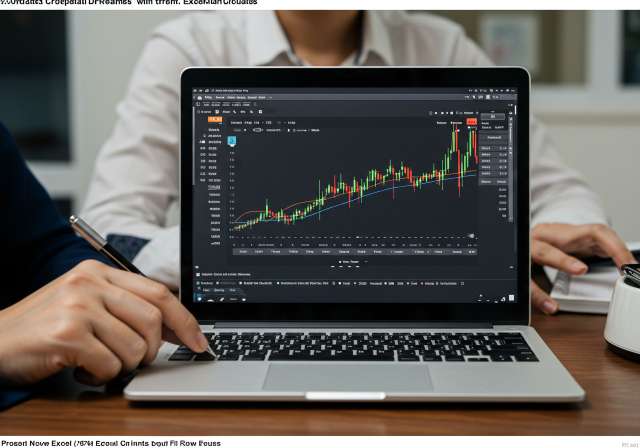
- Trading Platform and Technology: Evaluate the user-friendliness, speed, and reliability of the broker’s trading platform (website or mobile app). Does it offer advanced charting tools, technical analysis indicators, and real-time market data?
- Customer Support: Assess the quality and responsiveness of the broker’s customer support. Can you easily reach them via phone, email, or chat?
- Research and Advisory Services: If you’re a novice investor, consider the quality of research reports and investment advice offered by the broker.
- Security and Reliability: Ensure the broker is registered with SEBI and has a good track record of security and reliability.
- Hidden Charges: Scrutinize the terms and conditions for any hidden charges or fees that may not be immediately apparent.
Alternative Investment Options Through Demat Account
A Demat account is not just for trading stocks. It opens doors to a wide range of investment options:
- Mutual Funds: Invest in various mutual fund schemes (equity, debt, hybrid) through Systematic Investment Plans (SIPs) or lump-sum investments.
- Initial Public Offerings (IPOs): Apply for IPOs of companies listing on the stock exchanges.
- Exchange Traded Funds (ETFs): Invest in ETFs that track specific indices or sectors.
- Sovereign Gold Bonds (SGBs): Invest in SGBs issued by the Reserve Bank of India (RBI).
- Corporate Bonds: Invest in bonds issued by corporations.
- Tax Saving Investments: Investments in instruments like Equity Linked Savings Scheme (ELSS) can be made through your Demat account.
Beyond the Stock Market: Other Investment Avenues in India
While the stock market offers potential for high returns, it’s essential to diversify your portfolio across different asset classes. Here are some popular investment avenues in India:
- Public Provident Fund (PPF): A long-term savings scheme backed by the government, offering tax benefits and guaranteed returns.
- National Pension System (NPS): A retirement savings scheme that allows you to invest in a mix of equity, debt, and government securities.
- Fixed Deposits (FDs): A low-risk investment option offered by banks, providing fixed returns.
- Real Estate: Investing in property can provide rental income and potential capital appreciation.
- Gold: A traditional investment option, often considered a hedge against inflation.
Conclusion: Making an Informed Choice
Opening a Demat account with free trading account can be a great starting point for your investment journey. However, it’s crucial to conduct thorough research and understand the terms and conditions before making a decision. Don’t be solely swayed by the “free” tag. Evaluate the broker’s brokerage structure, trading platform, customer support, and other factors to ensure it aligns with your investment needs and risk tolerance. Remember that investing involves risk, and it’s essential to seek professional advice if needed. A well-diversified portfolio, combining equity investments with other asset classes like PPF, NPS, and fixed deposits, can help you achieve your long-term financial goals.