Investing in stock broker shares? Uncover the potential gains and risks in the Indian stock market. Learn about brokerage models, financial performance, and fac
Investing in stock broker shares? Uncover the potential gains and risks in the Indian stock market. Learn about brokerage models, financial performance, and factors influencing share prices of leading stock brokers listed on NSE & BSE. Make informed decisions today!
Decoding Stock Broker Shares: A Guide for Indian Investors
Understanding the Indian Broking Landscape
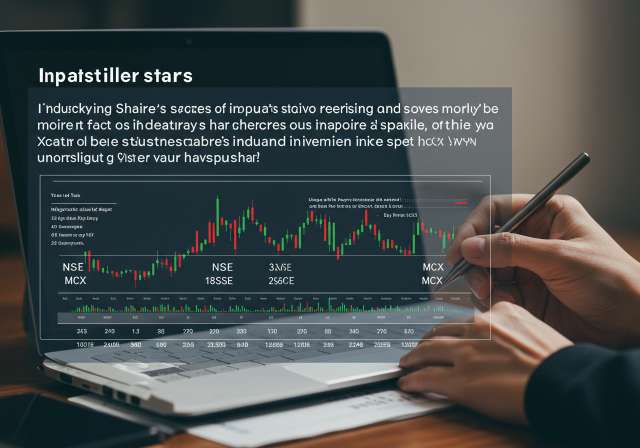
The Indian stock market, with its vibrant ecosystem and increasing retail participation, offers a plethora of investment opportunities. A crucial component of this ecosystem is the network of stock brokers. These entities act as intermediaries, connecting investors to the National Stock Exchange (NSE) and the Bombay Stock Exchange (BSE), facilitating the buying and selling of securities. Understanding their role and the dynamics of their business model is critical before considering an investment in them.
Before diving into the specifics of investing in their shares, it’s essential to grasp the functions they perform:
- Order Execution: Brokers execute buy and sell orders on behalf of their clients.
- Research and Advisory: Many brokers provide research reports and investment advice to help clients make informed decisions.
- Depository Participant (DP) Services: Brokers often act as DPs, allowing investors to hold securities in dematerialized form (Demat accounts).
- Margin Trading: They may offer margin trading facilities, enabling clients to trade with borrowed funds (subject to regulations).
- IPO and Mutual Fund Distribution: Some brokers also distribute Initial Public Offerings (IPOs) and mutual fund products.
Why Consider Investing in Brokerage Firms?
The growth trajectory of the Indian stock market directly impacts the fortunes of brokerage houses. Increased trading volumes, a surge in new Demat accounts, and rising market capitalization all contribute to their revenue streams. Here are some compelling reasons why investors might consider adding these shares to their portfolio:
- Market Growth: As the Indian economy expands and investor awareness grows, the stock market is expected to flourish, benefiting brokerage firms.
- Digitization: The rise of online broking platforms has lowered costs and increased accessibility, attracting a new generation of tech-savvy investors.
- Financial Inclusion: Government initiatives aimed at financial inclusion are bringing more people into the formal financial system, leading to increased stock market participation.
- Diversification: Adding brokerage shares to your portfolio can offer diversification benefits, as their performance is often correlated with overall market sentiment.
Key Revenue Streams for Stock Brokers
Understanding how brokerage firms generate revenue is crucial for assessing their financial health and growth potential. The primary sources of income include:
- Brokerage Fees: Charged on each transaction (buying or selling of securities). This is a core revenue component.
- Interest Income: Earned on margin trading facilities provided to clients.
- Fees from DP Services: Charged for maintaining Demat accounts and facilitating securities transactions.
- Advisory Fees: Earned for providing research reports and investment advice.
- Distribution Income: Commissions earned from distributing IPOs and mutual fund products.
Factors Influencing the Performance of Stock Broker Shares
Several factors can influence the performance of stock broker shares. Investors need to carefully analyze these before making any investment decisions:
Market Volatility
High market volatility can lead to increased trading volumes, potentially boosting brokerage revenues. However, extreme volatility can also deter investors, negatively impacting trading activity.
Interest Rate Movements
Changes in interest rates can affect the demand for margin trading facilities, impacting the interest income of brokerage firms. Higher interest rates may make margin trading less attractive.
Regulatory Changes
The Securities and Exchange Board of India (SEBI) plays a crucial role in regulating the Indian stock market. Regulatory changes, such as revisions to brokerage fees or margin requirements, can significantly impact the profitability of brokerage firms.
Competition
The Indian broking industry is highly competitive, with numerous players vying for market share. Intense competition can put pressure on brokerage fees and profitability.
Technological Advancements
The adoption of new technologies, such as artificial intelligence (AI) and blockchain, can disrupt the broking industry. Firms that successfully adapt to these technological advancements are likely to gain a competitive edge.
Economic Growth
Strong economic growth typically leads to increased investor confidence and higher stock market participation, benefiting brokerage firms.
Evaluating Brokerage Firms: Key Financial Metrics
When evaluating brokerage firms for investment purposes, consider the following financial metrics:
- Revenue Growth: Indicates the company’s ability to increase its income over time. Look for consistent and sustainable revenue growth.
- Profitability (Net Profit Margin): Measures the percentage of revenue that remains after deducting all expenses. A higher net profit margin indicates better efficiency.
- Return on Equity (ROE): Indicates how efficiently the company is using shareholders’ equity to generate profits. A higher ROE is generally desirable.
- Earnings Per Share (EPS): Represents the portion of a company’s profit allocated to each outstanding share of common stock. Increasing EPS is a positive sign.
- Price-to-Earnings (P/E) Ratio: Compares a company’s stock price to its earnings per share. A lower P/E ratio may indicate that the stock is undervalued.
- Number of Active Clients: A growing client base indicates the broker’s ability to attract and retain customers.
- Average Daily Turnover: Represents the total value of trades executed by clients on the platform. Higher turnover generally translates to higher brokerage revenue.
Investment Options: Beyond Direct Equity
While investing directly in individual listed stock brokers on the NSE and BSE is one option, there are alternative routes. Consider these:
- Mutual Funds: Some equity mutual funds may hold shares of brokerage firms in their portfolio. Investing in such funds provides indirect exposure to the broking industry. Review the fund’s portfolio allocation before investing. Focus on funds with a track record of consistent returns.
- Exchange Traded Funds (ETFs): While less common, certain sector-specific ETFs might include brokerage firms.
Risk Factors to Consider
Investing in stock broker shares, like any other investment, involves certain risks. It’s crucial to be aware of these risks before making any decisions:
- Market Risk: Brokerage firm performance is highly correlated with overall market sentiment. A market downturn can significantly impact their revenues and profitability.
- Regulatory Risk: Changes in regulations by SEBI can affect the profitability of brokerage firms.
- Competition Risk: The broking industry is highly competitive, and increased competition can put pressure on brokerage fees.
- Technological Disruption: Rapid technological advancements can disrupt the broking industry, and firms that fail to adapt may lose market share.
- Operational Risk: Brokers are exposed to operational risks such as system failures and data breaches, which can disrupt their operations and damage their reputation.
- Compliance Risk: Strict regulatory requirements mean brokers face compliance risks that could lead to penalties and reputational damage.
The Role of SIPs and Long-Term Investing
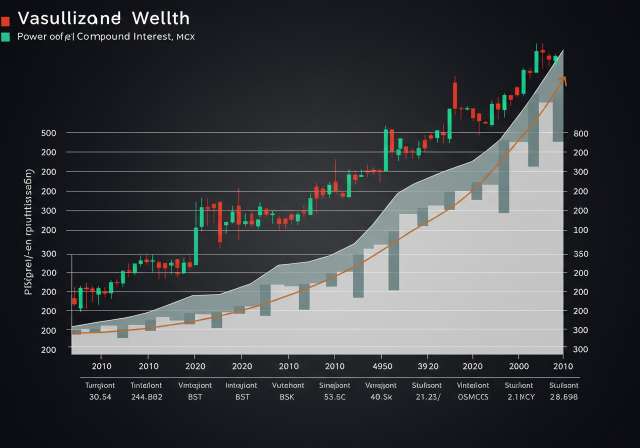
For retail investors, a Systematic Investment Plan (SIP) can be a prudent approach to investing in any sector, including brokerage shares. SIPs allow you to invest a fixed amount regularly, mitigating the impact of market volatility. Long-term investing, combined with a well-diversified portfolio, can help you weather market fluctuations and potentially achieve your financial goals. Remember to regularly review your portfolio and rebalance as needed.
Comparing Stock Brokers: Full-Service vs. Discount Brokers
The Indian broking landscape is broadly categorized into two types: Full-Service Brokers and Discount Brokers. Full-service brokers offer a wider range of services, including research reports, investment advice, and personalized support. They typically charge higher brokerage fees. Discount brokers, on the other hand, focus on providing a low-cost trading platform, with limited or no advisory services. The choice between the two depends on your investment needs and preferences. If you require research and advisory support, a full-service broker may be a better fit. If you are a self-directed investor who is comfortable conducting your own research, a discount broker may be a more cost-effective option.
Conclusion: A Calculated Approach to Investing
Investing in stock broker shares can be a rewarding experience, provided you conduct thorough research, understand the risks involved, and adopt a long-term investment horizon. Analyze the financial performance of the brokerage firms, stay informed about market trends and regulatory changes, and consider diversifying your portfolio to mitigate risk. Remember, informed decision-making is the key to successful investing in the dynamic Indian stock market. Consider consulting a financial advisor to create an investment plan tailored to your specific needs and risk tolerance. Don’t put all your eggs in one basket – diversification across asset classes like equity, debt (including Public Provident Fund – PPF and National Pension System – NPS), and gold is crucial for long-term financial security.