Learn how to open demat account in India! A step-by-step guide covering documents, online & offline processes, charges, and choosing the right Depository Partic
Learn how to open demat account in India! A step-by-step guide covering documents, online & offline processes, charges, and choosing the right Depository Participant to kickstart your investment journey in the Indian stock market. Start investing today!
Unlock the Indian Stock Market: Your Guide on Opening a Demat Account
Introduction: Taking Your First Step into the World of Investing
The Indian stock market, encompassing the National Stock Exchange (NSE) and the Bombay Stock Exchange (BSE), presents numerous opportunities for wealth creation. However, directly trading in stocks, bonds, and other securities requires a crucial element: a Dematerialized Account, or Demat account. Think of it as a digital locker where your purchased shares are safely stored electronically, eliminating the need for physical share certificates.
In today’s digitally driven investment landscape, understanding how to open demat account is essential for anyone looking to participate in the Indian equity markets. This comprehensive guide will walk you through the entire process, from gathering the necessary documents to choosing the right Depository Participant (DP) and understanding the associated charges.
What is a Demat Account and Why Do You Need One?
Before diving into the “how to,” let’s solidify our understanding of what a Demat account is and why it’s so vital.
A Demat account, short for Dematerialized Account, holds your shares and securities in an electronic format. Previously, investors received physical share certificates, which were prone to damage, loss, and forgery. The introduction of Demat accounts, overseen by SEBI (Securities and Exchange Board of India), revolutionized the Indian stock market, making trading faster, safer, and more efficient.
Here’s why you need a Demat account:
- Mandatory for Trading: SEBI mandates that all trading in equity shares in India must be conducted through a Demat account.
- Safe and Secure: Eliminates the risk of loss, theft, or damage associated with physical certificates.
- Easy Transactions: Simplifies the buying and selling process, allowing for quick and seamless transactions.
- Versatile: Holds various investments, including stocks, bonds, mutual funds, ETFs (Exchange Traded Funds), and government securities.
- Corporate Actions: Facilitates the automatic crediting of bonus shares, dividends, and rights issues directly into your account.
Step-by-Step Guide: How to Open a Demat Account
Opening a Demat account is a relatively straightforward process. You have two primary options: online and offline.
Option 1: Opening a Demat Account Online
The online route is generally faster and more convenient, especially for tech-savvy investors.
- Choose a Depository Participant (DP): DPs are intermediaries that facilitate the opening and operation of your Demat account. They are registered with either the Central Depository Services (India) Limited (CDSL) or the National Securities Depository Limited (NSDL), the two depositories in India. Popular DPs include banks (e.g., HDFC Bank, ICICI Bank, SBI), brokerage firms (e.g., Zerodha, Upstox, Angel One), and other financial institutions. Compare brokerage fees, account maintenance charges, and the trading platform’s user-friendliness before making your choice.
- Visit the DP’s Website: Navigate to the DP’s website and locate the “Open Demat Account” or similar option.
- Fill Out the Online Application Form: Provide accurate and complete information, including your personal details, PAN (Permanent Account Number), Aadhaar number, bank account details, and nominee details.
- e-KYC (Know Your Customer) Verification: Most DPs offer e-KYC, a paperless verification process. This typically involves uploading scanned copies of your documents and completing an online video verification to confirm your identity. You will need to provide a valid PAN card and Aadhaar card.
- In-Person Verification (IPV): Some DPs may require an IPV, where a representative will video call you to verify your details.
- Accept Terms and Conditions: Carefully read and accept the terms and conditions of the Demat account agreement.
- Account Activation: Once your application is verified, the DP will activate your Demat account and provide you with your account number and login credentials.
Option 2: Opening a Demat Account Offline
If you prefer a more traditional approach or require assistance, you can open a Demat account offline.
- Choose a Depository Participant (DP): As with the online process, selecting the right DP is crucial. Consider factors such as brokerage fees, account maintenance charges, customer service, and research reports offered.
- Visit the DP’s Branch: Visit the nearest branch of your chosen DP.
- Obtain and Fill Out the Application Form: Request a Demat account opening form from the DP. Fill it out accurately and completely.
- Submit Required Documents: Submit the necessary documents, including self-attested photocopies of your PAN card, Aadhaar card, proof of address, and passport-sized photographs.
- In-Person Verification (IPV): The DP representative will conduct an IPV to verify your identity and documents.
- Sign the Agreement: Read the Demat account agreement carefully and sign it.
- Account Activation: After verification, the DP will activate your Demat account and provide you with your account number and login credentials.
Documents Required to Open a Demat Account
Regardless of whether you choose the online or offline method, you will need to provide the following documents:
- Proof of Identity (POI): PAN card is mandatory. Other acceptable POI documents include Aadhaar card, passport, driving license, voter ID card.
- Proof of Address (POA): Aadhaar card, passport, driving license, voter ID card, bank statement, utility bill (not older than three months).
- PAN Card: Mandatory for all Demat account holders.
- Passport-Sized Photographs: Typically, one or two photographs are required.
- Bank Account Details: You will need to provide details of your bank account, including the account number, IFSC code, and bank name. This account will be linked to your Demat account for fund transfers.
Demat Account Charges and Fees
Opening and maintaining a Demat account involves certain charges and fees. Understanding these costs is crucial for making informed decisions.
- Account Opening Charges: Some DPs charge a one-time fee for opening a Demat account, while others offer free account opening.
- Annual Maintenance Charges (AMC): This is an annual fee charged by the DP for maintaining your Demat account. The AMC varies depending on the DP.
- Transaction Charges: DPs levy transaction charges for each buy or sell transaction you execute through your Demat account. These charges are usually a percentage of the transaction value or a fixed amount per transaction.
- Custodian Fees: These are charges levied by the depositories (CDSL or NSDL) for holding your securities in electronic form. These fees are typically passed on to you by the DP.
- Demat Charges: These charges are levied when you convert your electronic shares back into physical form (dematerialization).
Choosing the Right Depository Participant (DP)
Selecting the right DP is a critical decision that can significantly impact your investment experience. Here are some factors to consider:
- Brokerage Fees and Charges: Compare the brokerage fees, account maintenance charges, and other fees charged by different DPs.
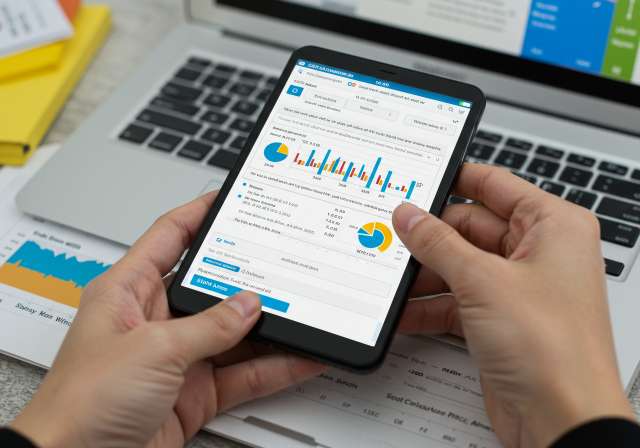
- Trading Platform: Evaluate the user-friendliness and features of the DP’s trading platform (website or mobile app). A good platform should be easy to navigate, provide real-time market data, and offer advanced charting tools.
- Customer Service: Check the DP’s customer service reputation. Look for DPs that offer prompt and helpful support through multiple channels (phone, email, chat).
- Research and Advisory Services: Some DPs provide research reports, investment recommendations, and advisory services. These can be valuable for investors who are new to the stock market or who want to make informed investment decisions.
- Account Types: Determine if the DP offers the type of Demat account you need. For example, some DPs offer basic Demat accounts with limited features, while others offer premium accounts with advanced features and services.
- Reputation and Reliability: Choose a DP with a good reputation and a proven track record. Check online reviews and ratings to get an idea of other investors’ experiences.
Linking Your Demat Account to Your Trading Account
To buy and sell shares, you need to link your Demat account to a trading account. A trading account allows you to place buy and sell orders on the stock exchanges. Most DPs offer both Demat and trading accounts, often referred to as a “2-in-1 account.”
Once your Demat and trading accounts are linked, you can transfer funds from your bank account to your trading account and start trading.
Using Your Demat Account for Different Investments
A Demat account isn’t just for buying and selling stocks. You can also use it to hold various other investments, including:
- Mutual Funds: Invest in mutual fund units in dematerialized form.
- Exchange Traded Funds (ETFs): Hold ETFs, which are similar to mutual funds but traded on stock exchanges like stocks.
- Bonds: Invest in government and corporate bonds.
- Initial Public Offerings (IPOs): Apply for IPOs and hold the allotted shares in your Demat account.
- Sovereign Gold Bonds (SGBs): Invest in SGBs, which are government-backed gold bonds.
Understanding Nomination in Demat Accounts
Nomination is a crucial aspect of Demat accounts. It allows you to designate a nominee who will inherit your securities in the event of your death. Nominating someone ensures a smooth transfer of your assets to your loved ones.
You can nominate one or more individuals as nominees. If you have multiple nominees, you can specify the percentage of your holdings that each nominee will receive.
Demat Accounts and SIPs (Systematic Investment Plans)
SIPs are a popular way to invest in mutual funds, allowing you to invest a fixed amount regularly. You can link your Demat account to your SIP investments, enabling you to hold your mutual fund units in dematerialized form.
Demat Accounts and Tax Implications
The gains you make from selling shares held in your Demat account are subject to capital gains tax. Understanding the tax implications of your investments is essential for effective financial planning.
- Short-Term Capital Gains (STCG): If you sell shares within one year of purchase, the gains are considered short-term capital gains and are taxed at a rate of 15% (plus applicable cess).
- Long-Term Capital Gains (LTCG): If you sell shares after one year of purchase, the gains are considered long-term capital gains. LTCG exceeding ₹1 lakh in a financial year are taxed at a rate of 10% (plus applicable cess).
Investments in Equity Linked Savings Schemes (ELSS) mutual funds, which offer tax benefits under Section 80C of the Income Tax Act, also require a Demat account to hold the units.
Conclusion: Embark on Your Investment Journey Today!
Opening a Demat account is the first and most important step towards participating in the Indian stock market and achieving your financial goals. By understanding the process, gathering the necessary documents, and choosing the right Depository Participant, you can embark on your investment journey with confidence. Whether you’re interested in investing in stocks, mutual funds, or other securities, a Demat account provides a safe, secure, and convenient way to manage your investments.
Remember to stay informed about market trends, diversify your portfolio, and consult with a financial advisor if needed. Happy investing!