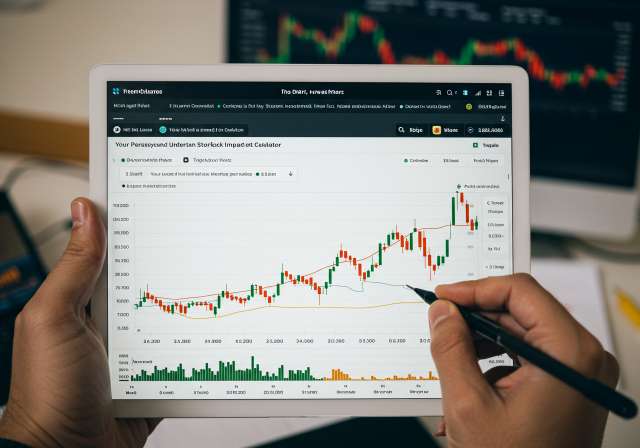
Looking for the India best stock broker to maximize your investment returns? Compare brokerage charges, trading platforms, research, and more in our comprehensi
Looking for the india best stock broker to maximize your investment returns? Compare brokerage charges, trading platforms, research, and more in our comprehensive guide.
Find the Best Stock Broker in India: A Comprehensive Guide
Introduction: Navigating the Indian Stock Market
The Indian stock market, with its vibrant activity on exchanges like the NSE (National Stock Exchange) and BSE (Bombay Stock Exchange), presents numerous opportunities for investors to grow their wealth. However, successfully navigating this market requires choosing the right stock broker. A competent broker can provide access to trading platforms, offer valuable research, and execute trades efficiently, ultimately impacting your investment success.
This guide aims to provide a comprehensive overview of factors to consider when selecting a stock broker in India, helping you make an informed decision aligned with your individual investment goals and risk tolerance.
Understanding Your Investment Needs
Before diving into the specifics of comparing brokers, it’s crucial to assess your own investment needs and preferences. Consider the following:
- Investment Style: Are you an active trader making frequent transactions, or a long-term investor focusing on fundamentally strong stocks?
- Investment Instruments: Are you interested in trading equities, derivatives (futures and options), commodities, or a combination of asset classes?
- Trading Frequency: How often do you plan to trade? This will influence the importance of brokerage charges.
- Research Needs: Do you require in-depth research reports and recommendations, or are you comfortable conducting your own analysis?
- Trading Platform Preferences: Do you prefer a web-based platform, a mobile app, or a desktop terminal?
- Customer Support: How important is responsive and reliable customer support to you?
Key Factors to Consider When Choosing a Broker
Once you have a clear understanding of your investment needs, you can begin evaluating potential brokers based on the following factors:
Brokerage Charges and Fees
Brokerage charges are a significant cost associated with trading. Different brokers have varying pricing structures. Common types of brokerage plans include:
- Percentage-Based Brokerage: A percentage of the transaction value is charged as brokerage. This is often used by traditional brokers.
- Flat-Fee Brokerage: A fixed fee is charged per trade, regardless of the transaction value. This is popular among discount brokers.
- Subscription-Based Brokerage: A fixed monthly or annual fee is charged, allowing unlimited trading within the plan.
Beyond brokerage, be aware of other fees such as:
- Account Opening Charges: Fees for opening a Demat and trading account.
- Annual Maintenance Charges (AMC): Annual fees for maintaining your Demat and trading account.
- Transaction Charges: Fees levied by the exchanges (NSE/BSE) for each transaction.
- DP Charges: Charges levied by the Depository Participant (DP) for debiting shares from your Demat account.
- Call & Trade Charges: Additional charges for placing orders over the phone.
Carefully compare the brokerage plans and fees offered by different brokers to determine the most cost-effective option for your trading frequency and volume.
Trading Platform and Technology
The trading platform is your gateway to the stock market. A user-friendly and reliable platform is essential for efficient trading. Look for the following features:
- Real-Time Market Data: Access to live quotes and market information.
- Advanced Charting Tools: Technical analysis tools for identifying trading opportunities.
- Order Placement Options: Various order types, such as market orders, limit orders, and stop-loss orders.
- Mobile Trading App: Ability to trade on the go through a mobile app.
- Speed and Reliability: Fast order execution and minimal downtime.
- Customization Options: Ability to customize the platform to your preferences.
Many brokers offer demo accounts that allow you to test drive their trading platforms before committing to a full account. Take advantage of these opportunities to evaluate the platform’s usability and functionality.
Research and Analysis
Access to quality research and analysis can significantly enhance your investment decisions. Some brokers provide:
- Equity Research Reports: In-depth analysis of individual companies and industries.
- Technical Analysis Reports: Technical charts and indicators to identify trading opportunities.
- Market Commentary: Regular updates and insights on market trends.
- Investment Recommendations: Buy, sell, and hold recommendations from analysts.
- Tools for Fundamental Analysis: Screeners and tools for analyzing company financials.
Consider whether you require extensive research support or prefer to conduct your own analysis. If you rely on broker research, evaluate the quality and objectivity of the reports.
Customer Service and Support
Responsive and reliable customer support is crucial, especially when you encounter technical issues or have questions about your account. Look for brokers that offer:
- Multiple Support Channels: Phone, email, and live chat support.
- Prompt Response Times: Quick and efficient resolution of queries.
- Knowledgeable Staff: Well-trained staff who can address your concerns effectively.
- Dedicated Relationship Manager: A dedicated point of contact for personalized assistance.
Account Types and Features
Consider the different account types and features offered by the broker:
- Demat Account: A mandatory account for holding shares in electronic form.
- Trading Account: An account for buying and selling securities.
- Margin Trading Facility: Ability to trade with leverage.
- Portfolio Management Services (PMS): Professional management of your investment portfolio.
- IPO Application Facility: Ability to apply for initial public offerings (IPOs) through the broker’s platform.
- Mutual Fund Investments: Access to invest in mutual funds through the broker’s platform. Some platforms even allow direct investments in mutual funds, bypassing commissions.
- Fixed Deposit (FD) Options: Some brokers offer FD options as well.
Regulatory Compliance and Security
Ensure that the broker is registered with SEBI (Securities and Exchange Board of India), the regulatory body for the Indian stock market. This ensures that the broker adheres to regulations and protects investors’ interests. Check for the following:
- SEBI Registration: Verify the broker’s SEBI registration number.
- Security Measures: Robust security measures to protect your account and personal information.
- Grievance Redressal Mechanism: A clear and efficient process for resolving complaints.
Types of Stock Brokers in India
Full-Service Brokers
Full-service brokers offer a comprehensive range of services, including research, advisory, portfolio management, and personalized support. They typically charge higher brokerage fees compared to discount brokers. These are ideal for investors who need guidance and support.
Discount Brokers
Discount brokers offer a no-frills trading experience at significantly lower brokerage rates. They primarily focus on order execution and do not provide extensive research or advisory services. These are suitable for experienced investors who are comfortable making their own investment decisions. Many discount brokers also offer platforms for investing in Mutual Funds and applying for IPOs. They often facilitate SIP (Systematic Investment Plan) investments.
Online Brokers
Online brokers provide trading platforms that allow investors to buy and sell securities online. These brokers can be either full-service or discount brokers.
Beyond Equities: Diversifying Your Investment Portfolio
While choosing the right stock broker is crucial for equity investments, remember the importance of diversifying your investment portfolio. Consider other investment options such as:
- Mutual Funds: Diversified investment vehicles managed by professional fund managers. Different types of mutual funds cater to varying risk appetites and investment goals.
- Exchange-Traded Funds (ETFs): Similar to mutual funds, but traded on stock exchanges like individual stocks.
- Fixed Deposits (FDs): Low-risk investment options offering guaranteed returns.
- Public Provident Fund (PPF): A government-backed savings scheme offering tax benefits.
- National Pension System (NPS): A retirement savings scheme offering tax benefits and market-linked returns.
- Equity Linked Savings Scheme (ELSS): Tax-saving mutual funds with a lock-in period of three years.
Your chosen broker might offer access to some or all of these asset classes. Evaluate your broker’s offerings in light of your overall investment strategy.
Conclusion: Making an Informed Decision
Choosing the right stock broker is a critical step in your investment journey. Carefully consider your investment needs, compare the offerings of different brokers, and select a broker that aligns with your goals and risk tolerance. Remember to prioritize regulatory compliance, security, and customer support. By making an informed decision, you can enhance your trading experience and increase your chances of achieving your financial goals in the Indian stock market.